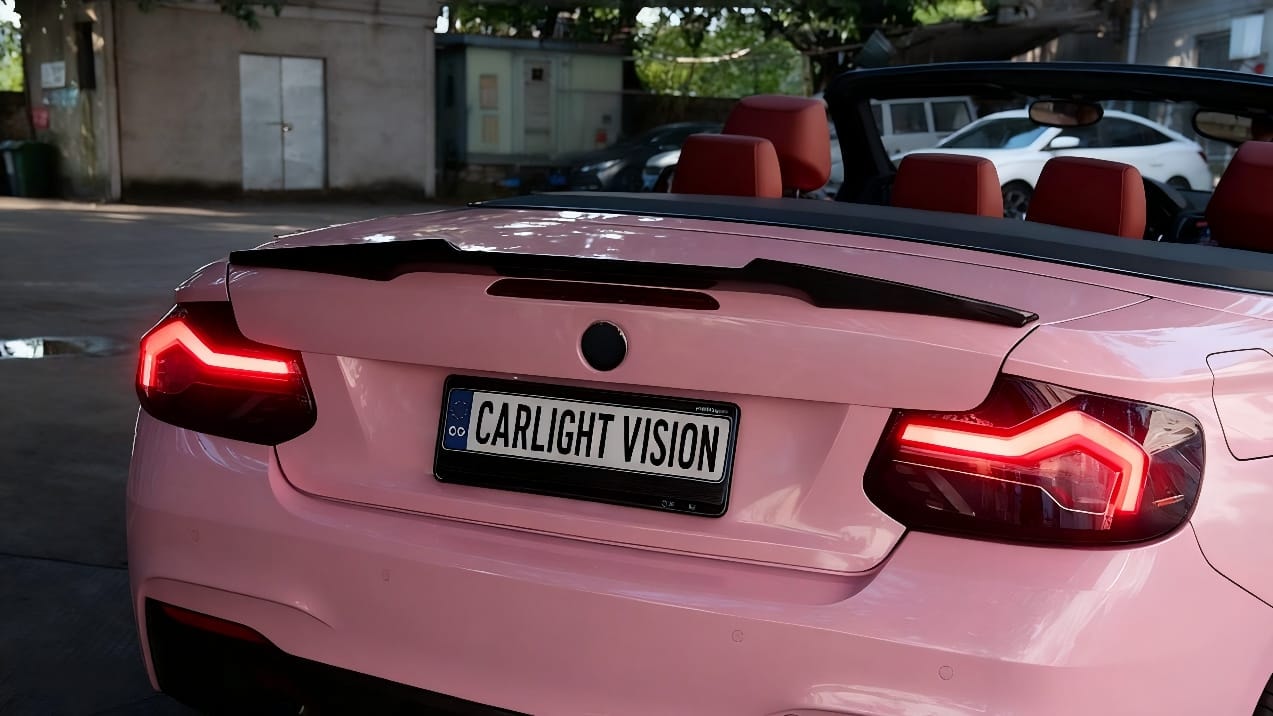
The BMW 2 Series F22 (coupe) variants that rolled off the U.S. production line from 2014 to 2021 hold a special place in the lineage of sport-loving German drivers.
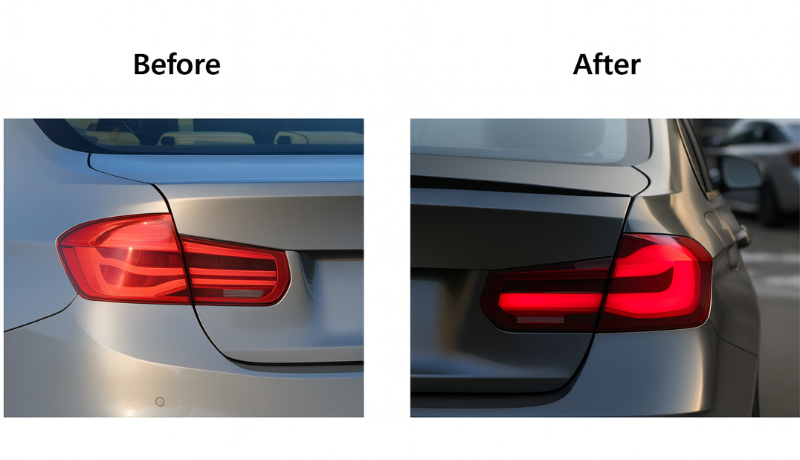
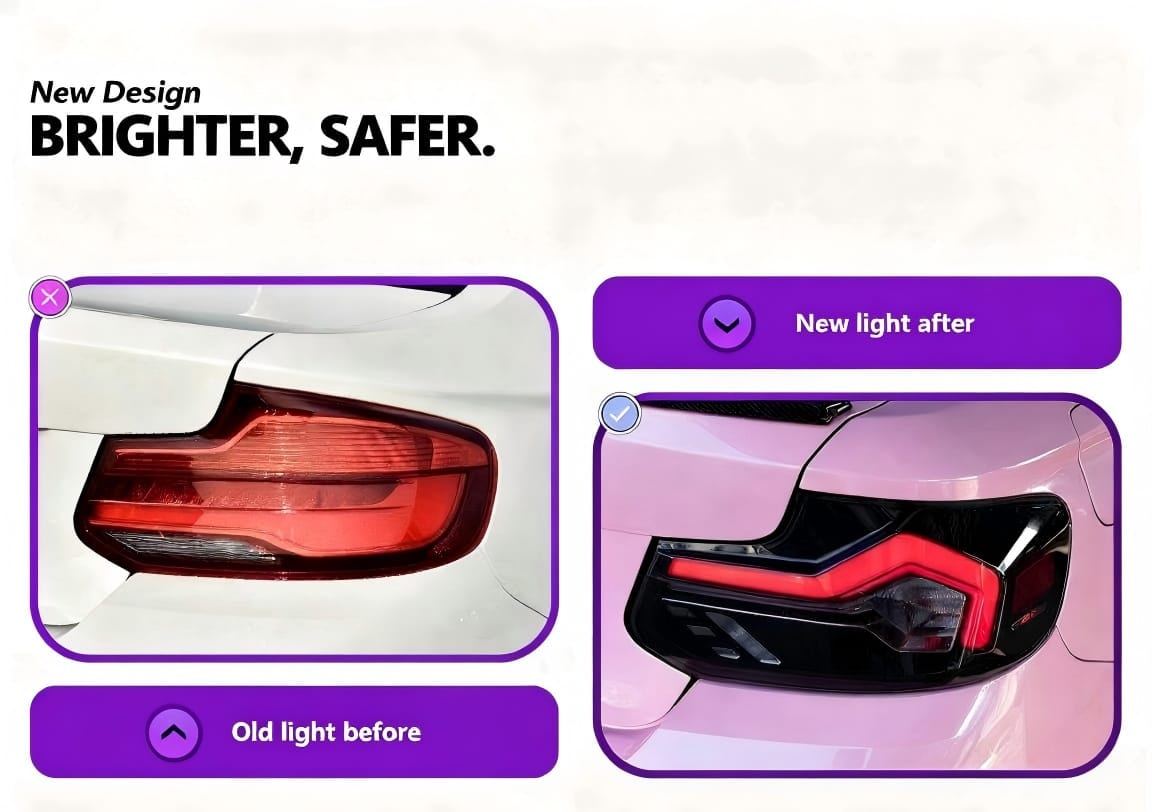
Acting as a landmark in the evolution of the rear tail lights, the pre-LCI cars seem somewhat old-fashioned, whereas the LCI facelift tail lights are crisp and modern. So, you must have an understanding of the tailored differences.
What Pre-LCI and LCI Stand For
Basically, BMW LCI stands for Life Cycle Impulse, which refers to a midlife facelift or refresh that stretches throughout the models’ entire production schedule. These usually include aesthetic changes updated with such refreshes, and sometimes technical changes rolled out for that model.
For the BMW 2 Series F22/F23, the update for these LCIs was in 2017, in which new headlight design details might incur these costs. It looked like a BMW taillight fitted with a clean LED signature reminiscent of high-end models like the 4 Series and M4.
Pre-LCI (2014 – 2016): That was the original styling and a simple LED/bulb layout.
LCI (2017 – 2021) Redesigned LED headlight bars with sharper patterns and modern illumination.

Differences in Design & Technology
Now we discuss some differences in visual and a few technical specifications of Pre-LCI and LCI tail lights as of the latest update date.
Pre-LCI Tail Lamps (2014-2016)
Gasoline and diesel run by either LED or Halogen bulbs, depending on the market.
- Typical U-Shape light signature.
- Less definite, vague appearance of a “light bar.”
- Usually has a separate bulb for indicators and the reverse light.
- Simpler internal construction and easier replacement of individual bulbs.
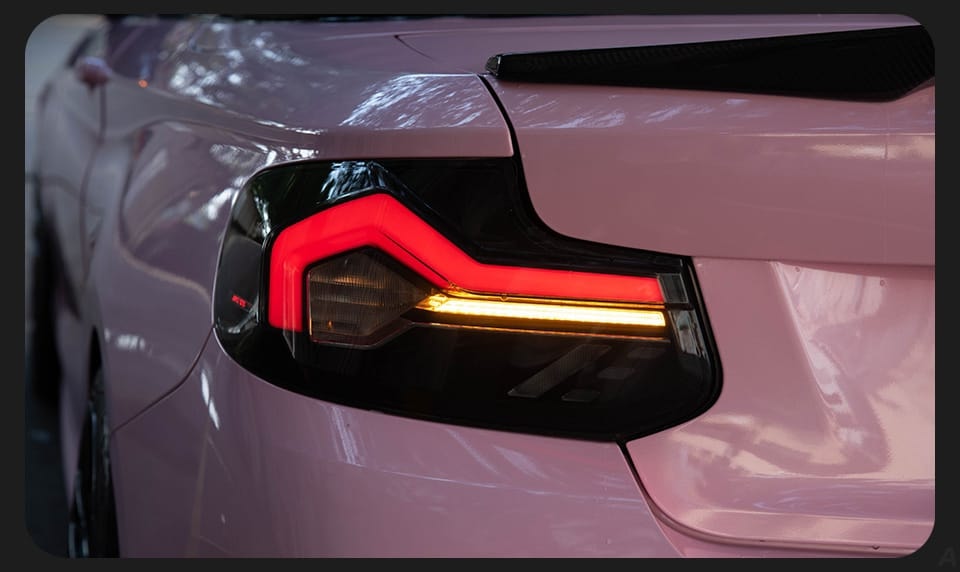
LCI Tail Lamps (2017-2021)
- All major light functions (brake, indicator, DRL) are in full-LED technology.
- Modern consecutive LED bars replace segmented patterns.
- Sharper, sleeker outline visible even in daytime.
- Some EU models gained amber turn signals while US models retained red.
- Improved brightness and longevity.
However, it should install adapter connectors or actual coding installations to have OEM LCI assemblies since they give a crisp, modern look for retrofitting onto a Pre-LCI car.
Everything You Must Check Under Fitment & Compatibility Rules
Before buying tail lights for the BMW F22 or BMW F23, add items to your cart and take a look at the following things:
Body Style (F22 vs. F23)
Housings of the F22 coupe and the F23 convertible differ in their shape, so make sure to shop carefully. Trunk shape and mounting points differ by a slight margin, so they cannot be swapped. Always check product listings for “F22/F23 compatibility.”
Production Year LCI vs. Pre-LCI
That also includes part numbers and additional info for cross-checking through sites like ECS Tuning or BimmerWorld for further verification.
Specification of the Region
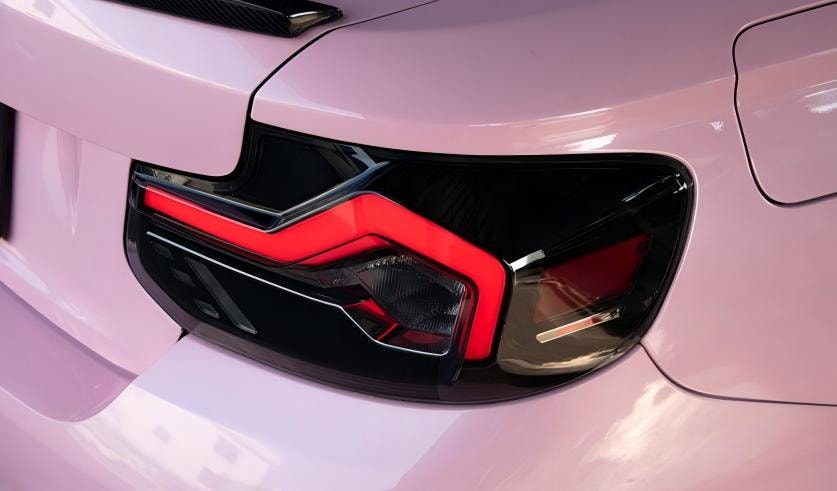
Usually includes amber turn signals in the tail lights from the EU Specification, which provide better visibility. US-spec lights have red indicators according to the DOT norm. Thus, confirm that they meet the road laws of your region (E-mark or DOT Certification).
Electrical Compatibility
LCI lights can fit physically into some of the Pre-LCI cars, but these do not work properly without wiring changes or coding, so gather all relevant information. Some installations require adapter harnesses from BMW and coding in order not to light up any warning lights.
Common Online Upgrade Possibilities
Here is an upgrade continuity suggestion if you want to retrofit a tail light on a BMW:
1. OEM-Legit LCI LED Tail Light
These are available from ECS Tuning and Turner Motorsport as a retrofit kit that’ll provide such expected quality.
Full factory brightness, fit, and even longevity in time, so you know you’re getting quality.
With Pre-LCI, some coding is required.
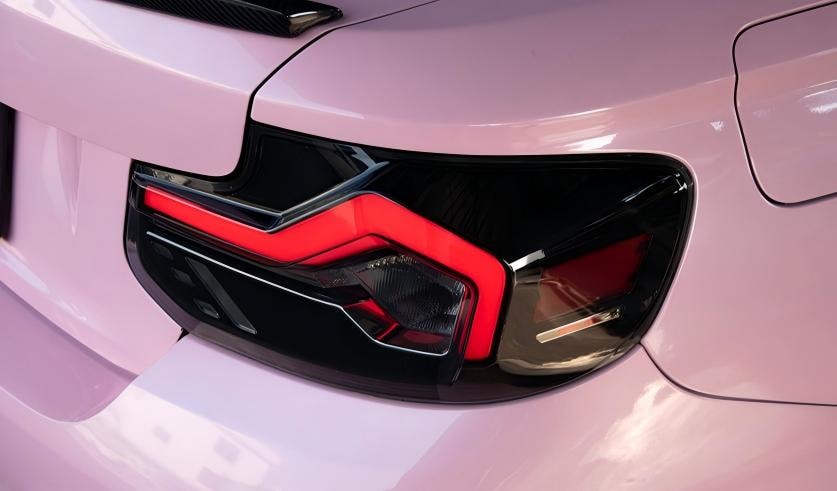
2. Aftermarket LCI-Style/OLED/GTS-Style LED Lights
Vland, Nevera Auto, and Euro Active are brands offering a one-year warranty.
Animated sequential turn signals, smoked or clear lens options, featuring electroluminescence, can take some time to install.
Plug and play most of the time; however, quality differs by brand, affecting the cost overall.
3. Kit Blacklines/Smoke LCI
Cosmetic upgrade for darkening the tail lamp tint, providing a sportier look.
Generally, a direct fit for both Pre-LCI and LCI cars.
Electricals & Coding Considerations
Fitting these contemporary LED assemblies into an older BMW 2 Series F22/F23 will require electrical and software consideration involving semiconductor technology.
Why Coding Is Needed
BMW’s lighting system monitors current draw and communication signals through the FRM (Footwell Module) or BDC (Body Domain Controller). When LED units replace halogen or older lights, the car may misread the load, triggering errors.
Commonly Occurring Problems:
- Hyper-flashing of indicators
- Check control warnings
- Incorrect brightness levels
Solutions
- With the help of BimmerCode, NCS Expert, or BimmerTech remote coding services.
- Adjust brightness, remove bulb checks, and activate LED parameters.
- Impose resistor harnesses if a coding tool is not available.
- Use OEM genuine retrofit kits from BMW, following the instructions enclosed, or consult your dealership for support.
Installation Notes
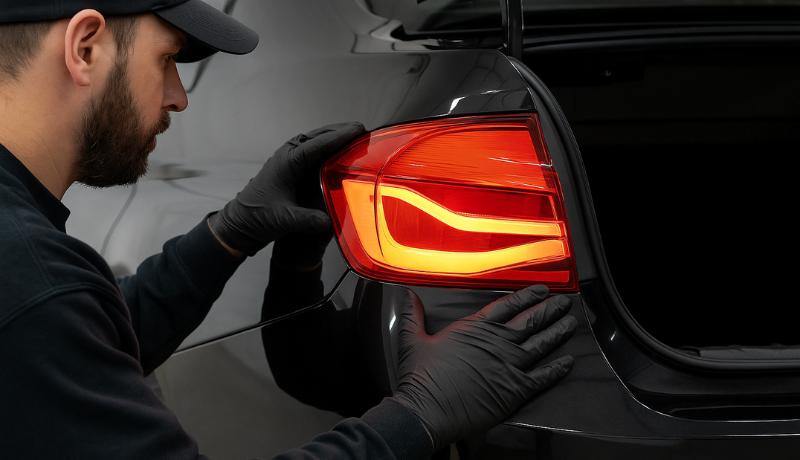
Upgrading to BMW tail lights LCI is mostly mechanical, but requires care. Here are some LED headlights installation tips for your convenience:
Access
Trunk trim and interior covers must be dismantled to get access to the rear light. Disconnect the battery prior to unplugging the connectors.
Mounting
Three bolts and a gasket seal are used per assembly ordinarily. Align new lights properly to avoid panel gaps.
Wiring
Pre-LCI cars upgrading to LCI: Will probably require a retrofit adapter harness with electromechanical integration. Some of the users have to re-pin connectors so the connection could match the new layout.
Final Steps
Reconnect the battery and run a check on all light functions (indicator, reverse, brake, DRL). Make appropriate coding changes to avoid installation mistakes or consult a BMW specialist.
Buying Checklist – Short Actionable
Before buying or installing your tail light, BMW F22/F23, here is how to choose an LED rear tail light:
- Model: BMW 2 Series F22 (Coupe) or F23 (Convertible)
- Year: 2014–2016 (Pre LCI) or 2017–2021 (LCI)
- Market region: EU (Amber turns) or US (Red turns)
- OEM part number or verified aftermarket SKU
- Adapter harness included (for retrofits)
- Coding required or not
- Warranty & return policy from the vendor
Top Aftermarket Styles to Mention
| Style | Description | Popular Vendors |
|---|---|---|
| OEM LCI Replacement | Genuine BMW LED assemblies; identical to factory LCI models. | ECS Tuning, Turner Motorsport |
| GTS / OLED Sequential LEDs | Animated, smoked-lens designs with dynamic turn signals. | VLAND, Nevera Auto, Euro Active |
| Blackline / Smoked LCI Kits | Dark-tinted OEM-style LEDs; sportier appearance. | bimmer-tech.net, Amazon, eBay |
| Clear Tail Lights BMW | Transparent outer lens for a unique contrast look. | Aftermarket stores & eBay sellers |
Bonus Tip: Matching Tail Light Mods with Headlight Mods
Enthusiasts who want to keep a car looking balanced from the outside should normally upgrade its BMW F22 tail lights with some improvements for the front end:
- BMW F22 DRL LED headlight conversion kit.
- BMW F22 aftermarket headlights with adaptive LED functions.
- BMW F22 headlight bulb replacement while keeping OEM housings, but with higher brightness.
Any of these combinations with respect to the front and rear LCI lights will get you close to the visual and functional standards of most modern cars with an F22 F23 BMW.
Change Your Drive – Discover the CarLightVision Difference Today!
Pick the correct LCI/pre-LCI part for F22 vs. F23, expect coding for LED retrofits, and prefer OEM or high-quality aftermarket. You can now upgrade your BMW 2 Series F22/F23 tail lights to modernity, refinement in appearance, and a touch of class to match performance.
CarLightVision offers high-quality LED bulbs and lighting solutions designed for precision, style, and perfect fitment, crafted for drivers who value detail and distinction.
Contact us today to get personalized recommendations, fast shipping options, and competitive B2B pricing — and give your BMW the lighting performance it truly deserves.
FAQs
Q1. Will LCI tail lights fit my pre-LCI F22?
Yes, in most cases. However, you can get adapter connectors and coding for actual functionality and no error warnings in most cases. Make sure to check with trusted sources like Turner Motorsport or ECS Tuning for part numbers and compatibility.
Q2. Do F22 lights fit F23 models?
Not really. Due to the different trunk designs, the taillight housings are different between the coupe (F22) and the convertible (F23), primarily because of variations in aerodynamic flow dynamics. While some aftermarket manufacturers may say that they are good for both, it is best to check fitment first before ordering from any of them.
Q3. Is coding necessary after LCI lights are installed?
Coding is typically required. The coding ensures that LEDs behave correctly, prevents hyper-flashing, and disables the bulb error monitor. Handy coding tools like BimmerCode and remote services such as BimmerTech make this a quick process.
Q4. Are aftermarket sequential LEDs legal?
In your market, it depends. In the EU, they require an E-marked unit, while in the US, DOT-approved lenses are a must. Therefore, you must check the local vehicle lighting law before setting up.
Q5. Where can I buy OEM LCI tail lights?
You can buy this genuine assembly at authorized BMW dealers, ECS Tuning, Turner Motorsport, or certified parts retailers. Salvage and parts resellers may also offer second-hand OEM sets for a price cut.
Q6. What are the best practices for the installation?
Buy proper fitment (F22 vs F23, LCI vs. Pre-LCI), have adapter harnesses ready, code it, and test every light function before reassembling the trunk trim. Following YouTube video guides or instructions from BMW retrofit kits will facilitate the entire upgrade process.