So it’s crucial to know their differences and choose the best. Regarding choices, it all depends on your car and other factors. Visibility, energy-efficient nature, and lifespan are some factors to consider.
Well, that’s what we want to help you with here. You can make a smart decision on which headlight you should opt for. I’m excited to dive into this with you. Ready? Let’s go!
How Do Halogen Lights Work?
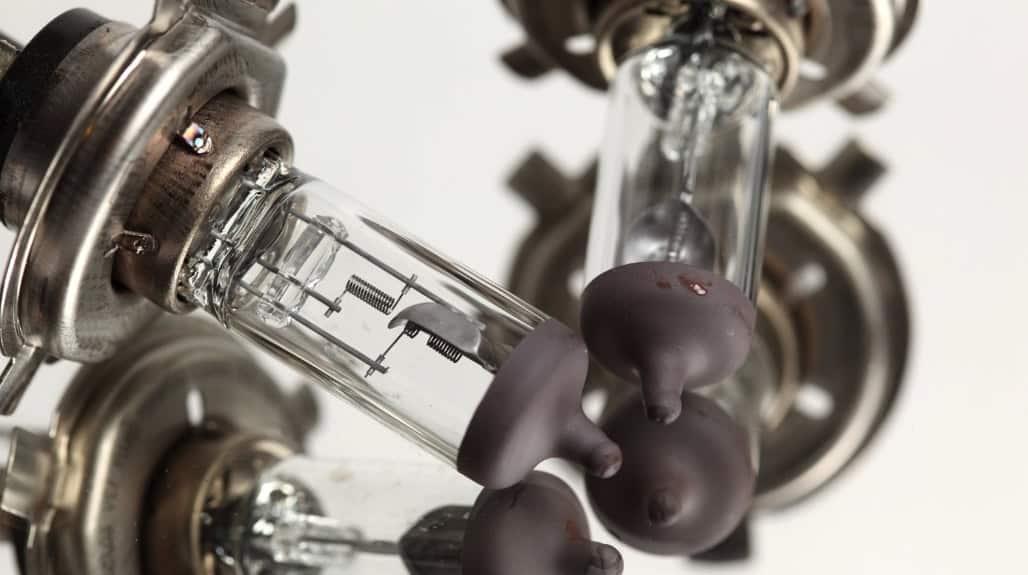
Halogen headlights work by passing electricity through a tungsten filament inside a halogen-filled bulb, causing the filament to glow and produce light. The halogen gas helps recycle the filament material, keeping the light bright longer and increasing the bulb’s lifespan.

Key Components and Mechanism
- Tungsten Filament: Heats up when electricity passes through it, producing light through incandescence.
- Halogen Gas: Contains bromine or iodine, which slows filament evaporation and maintains brightness.
- Quartz or Glass Bulb: Encases the filament and gas, allowing high operating temperatures without damage.
Benefits for You
- Reliable Illumination: Produces consistent, soft light suitable for most driving conditions.
- Easy Maintenance: Halogen bulbs are inexpensive and simple to replace without professional help.
- Longer Lifespan: The halogen cycle keeps the filament intact longer than standard incandescent bulbs.
Practical Tips
- Halogen lights can dim in very cold or wet conditions; regular cleaning helps maintain brightness.
- Avoid touching the bulb glass with your bare hands—you could reduce its lifespan.
- Check your headlights periodically to ensure optimal visibility and driving safety.
Now, this is how the halogen headlight works. It sends electricity through the tungsten filament, which heats it to about 2000°C. At that extremely high temperature, the tungsten filament begins to glow. It’s called the incandescent process. The halogen light uses minimal halogen, which can be bromine or iodine.
Common Features and Characteristics of Halogen Headlights
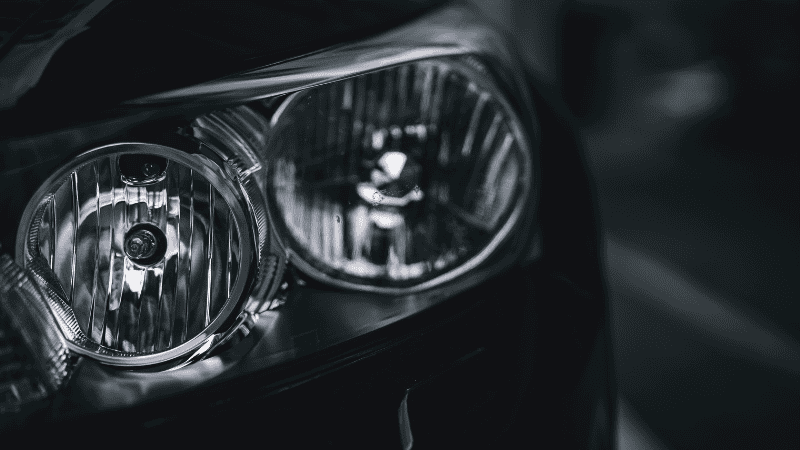
Halogen headlights use a tungsten filament inside a halogen-filled glass bulb, giving you reliable, energy-efficient light. They emit a soft, slightly yellow glow around 3,000K, with 900–1,000 lumens, gentle on your eyes. Halogens are affordable, easy for you to replace, and durable, though they produce more heat and have a shorter lifespan than LEDs.
Features of halogen headlights
- Soft, Yellow-tinged Light: Halogen bulbs emit 900–1,000 lumens with a color temperature around 3,000K, giving you gentle illumination that’s easy on the eyes and reduces glare for other drivers.
- Energy Efficiency: While not as efficient as LED headlights, halogen bulbs convert electricity into light reasonably well.
- Tungsten Filament Technology: The filament heats up to produce light, and halogen gas extends its life by recycling evaporated tungsten back to the filament.
The disadvantages of halogen headlights
- Shorter Lifespan: Typically lasts 500–1,000 hours, which is shorter than LED headlights.
- Higher Heat Production: More energy is wasted as heat compared to modern lighting options.
- Limited Design Flexibility: Bulb size restricts advanced styling and adaptive lighting features.
How Do LED Lights Work?
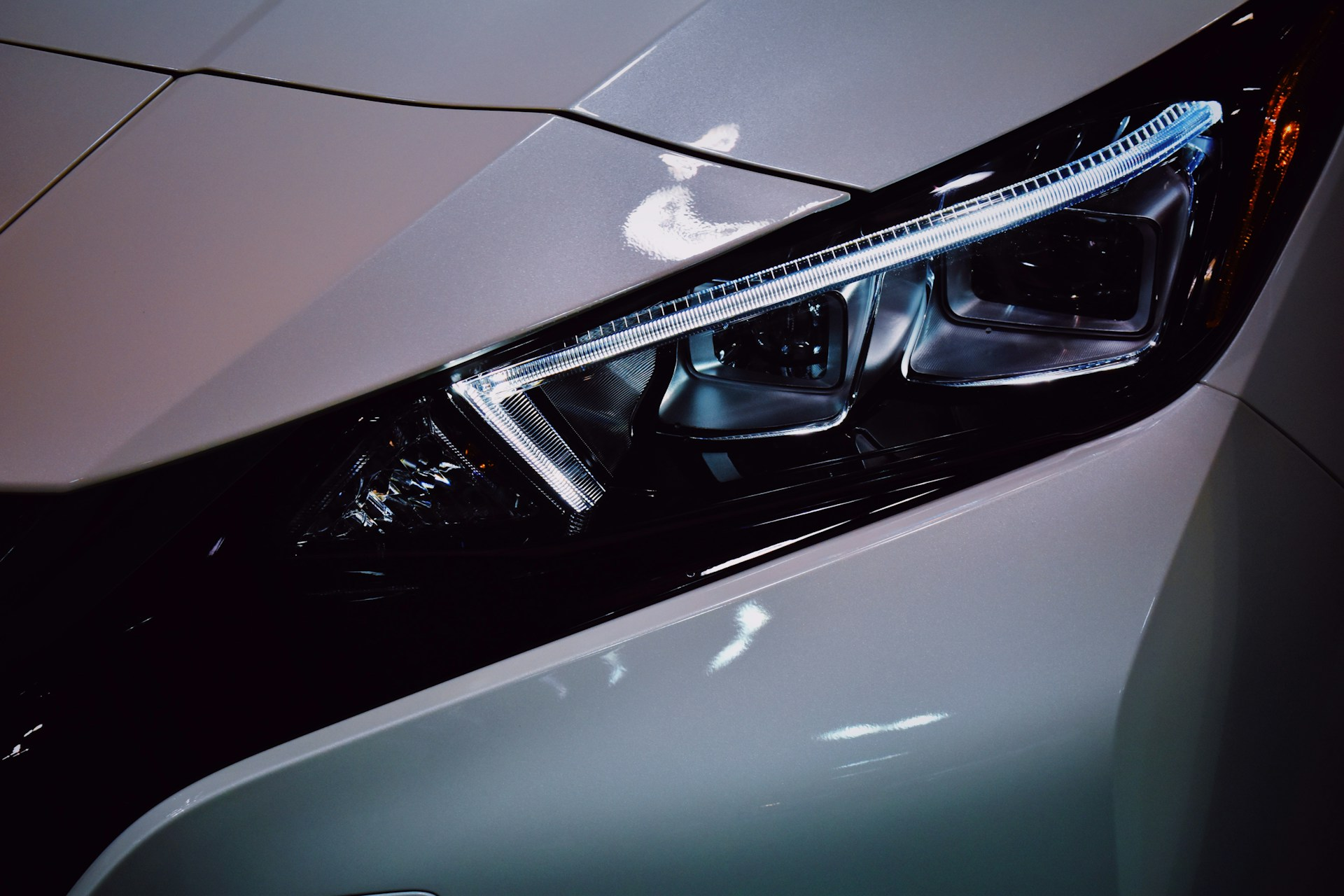
LED headlights work by passing an electric current through semiconductors, which emit photons to produce bright, clear light. Unlike halogen bulbs, LEDs require much less energy, produce minimal heat, and have a much longer lifespan, giving you reliable illumination and improved driving safety.
Key Components and Mechanism
- Semiconductor Diodes: Convert electricity into light efficiently without producing significant heat.
- LED Array: Multiple tiny LEDs arranged to create uniform light patterns and adaptive beams.
- Heat Sink or Cooling System: Prevents overheating, maintaining brightness and performance.
- Solid-State Lighting (SSL): Produces light from solid material, not gas or filament, making LEDs durable and shock-resistant.
Benefits for You
- Brighter, Clearer Light: LED light resembles daylight, improving your visibility and reaction time.
- Energy Efficiency: Consumes up to 80–90% less electricity than halogen, reducing alternator load and fuel consumption.
- Long Lifespan: Can last 25,000–50,000 hours, meaning fewer replacements and lower maintenance costs.
- Durable and Weather-Resistant: Performs well in extreme temperatures without dimming or flickering.
Practical Tips
- Keep LED lenses clean to maintain brightness.
- Avoid modifying the LED housing or using incompatible adapters, which could reduce lifespan.
- Consider adaptive LED systems if you want light patterns that follow steering input or illuminate curves.
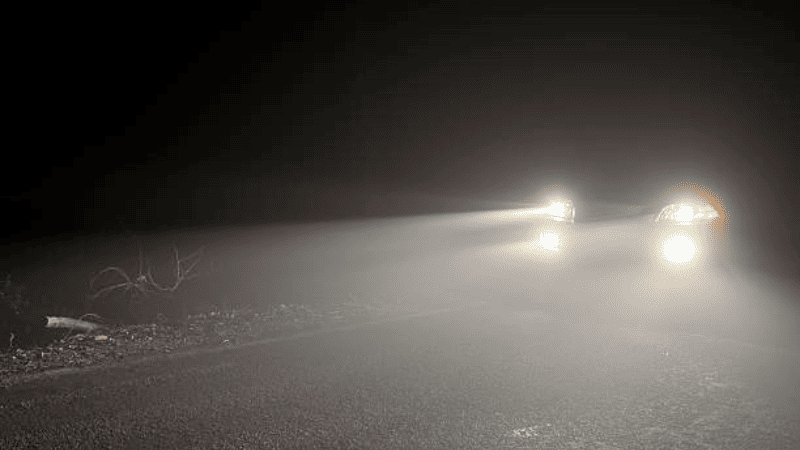
Common Features and Characteristics of an LED Headlight
LED headlights give you bright, energy-efficient, and long-lasting light. They emit crisp white illumination around 5,500K–6,000K, ideal for night driving. LEDs produce minimal heat, work in extreme conditions, and allow for flexible design and adaptive lighting. They require less maintenance than halogen bulbs and can last the lifetime of your vehicle.
Features of LED Headlights
- Daylight-like White Light: Produces clear, bright illumination for better road visibility.
- Energy Efficiency: Converts most energy into light, reducing heat and power usage.
- Advanced Design Flexibility: Small LED units allow adaptive beams, stylish arrays, and compact housings.
- Exceptional Lifespan: Significantly longer than halogen, lowering replacement frequency.
The Disadvantages of LED Headlights
- Higher Initial Cost: LED bulbs are more expensive upfront compared to halogen.
- Complex Installation: Some aftermarket LED systems may require adapters or professional installation.
- Potential Glare: Improper alignment can cause glare for other drivers.
LED vs. Halogen: A Comparative Analysis
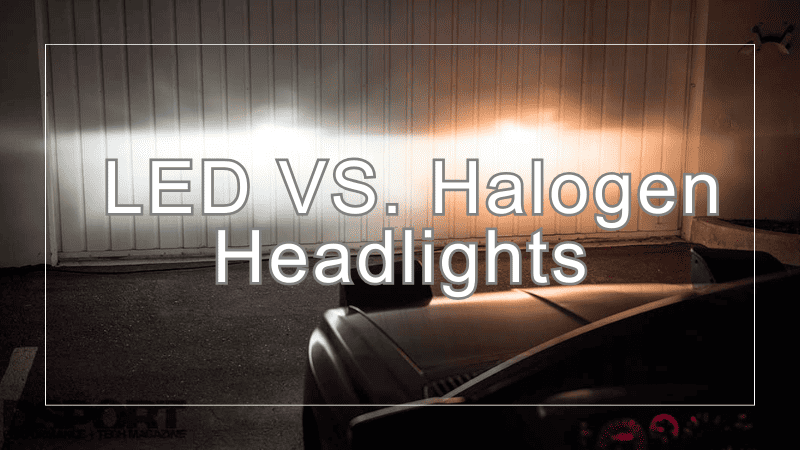
As you can see, halogen emits soft light, whereas LED produces sharp and bright light. Likewise, their lifespan also differs a lot. Halogen lights last between 1000 and 6000 hours, while LEDs have a 25000 to 50000 hours lifespan. So, considering all these points, including power consumption and heat emission, you will find LED lights far better than halogen.
| Features | Halogen | LED |
|---|---|---|
| Brightness | Soft light | Sharp and bright light |
| Visibility | Covers a good distance | Covers a longer distance |
| Energy Efficiency | Low | High |
| Power consumption | Much | Minimal |
| Durability | Less durable | More durable |
| Maintenance/replacement | More frequently | Less frequently |
| Lifespan | 1000 – 6000 hours | 25000 – 50000 hours |
| Warm-up/delay time | Yes | No |
| Heat Emission | High | Low |
| Color temperature | 3200K – 5000K | 6000K |
| Installation time | About half an hour | About half an hour |
Which is better, LED or halogen headlights?
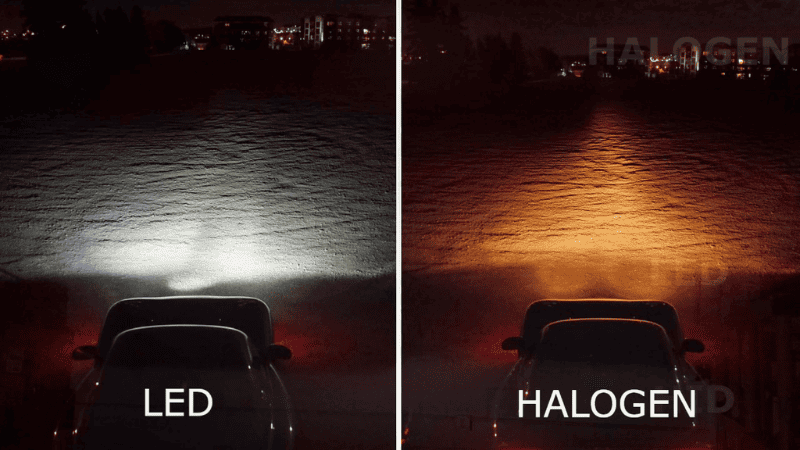
LED headlights outperform halogen bulbs in almost every key aspect that matters to your driving safety and vehicle efficiency: they provide brighter, whiter light for better visibility, last significantly longer, consume less energy, and support advanced lighting designs, while halogens remain a cheaper but less efficient and shorter-lived option.
Key Advantages of LED Headlights for You
- Brighter and Clearer Light: LEDs emit a white light closer to daylight, helping you see road hazards and signs more clearly.
- Exceptional Lifespan: LEDs can last 25,000–50,000 hours, reducing replacement frequency and maintenance costs.
- Energy Efficiency: Lower power consumption saves fuel and reduces strain on your car’s electrical system.
- Durability and Flexibility: Resistant to heat, vibration, and extreme weather; allows adaptive or stylized light patterns.
Why Halogen Bulbs May Still Work for You
- Low Purchase Cost: Halogen bulbs are cheaper to buy and replace.
- Soft Light: Gentle on your eyes, though less bright than LEDs.
- Shorter Lifespan: Typically 500–1,000 hours, generating more heat and requiring frequent replacements.
How to choose the best headlights
Choosing the right headlights is crucial for your safety and driving comfort. The best headlights give you clear visibility, long lifespan, energy efficiency, and a reliable performance in all conditions. Picking the wrong type can reduce your safety, increase maintenance costs, and affect your driving experience.
1. Better Visibility and Brightness
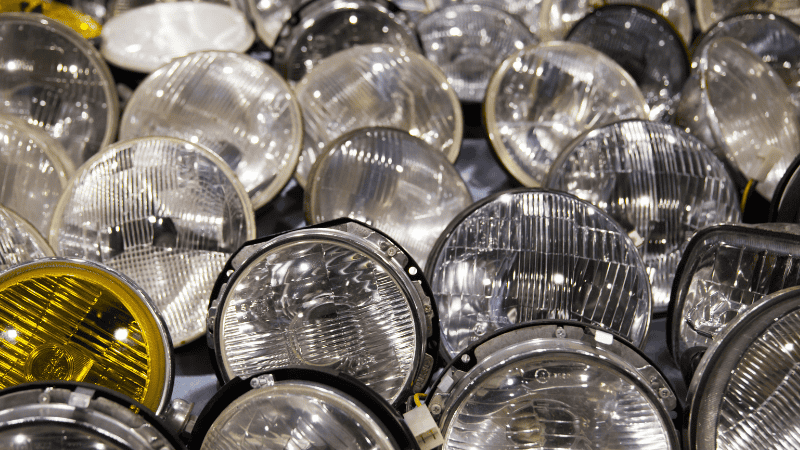
Your headlights determine how far and clearly you can see the road. LED headlights usually offer the best brightness and range. Check your car’s power rating before upgrading. Brighter halogens can overheat and shorten lifespan, so adjust carefully for safe and efficient lighting.
2. Type of Headlight
There are many types of headlights in the market with different technologies at work. We only consider two because they seem to be the most prominent headlights. Consider functionality and how attractive the headlights are when choosing your next headlight. Make sure they meet your requirements and fit perfectly with your vehicle.
3. Color Temperature
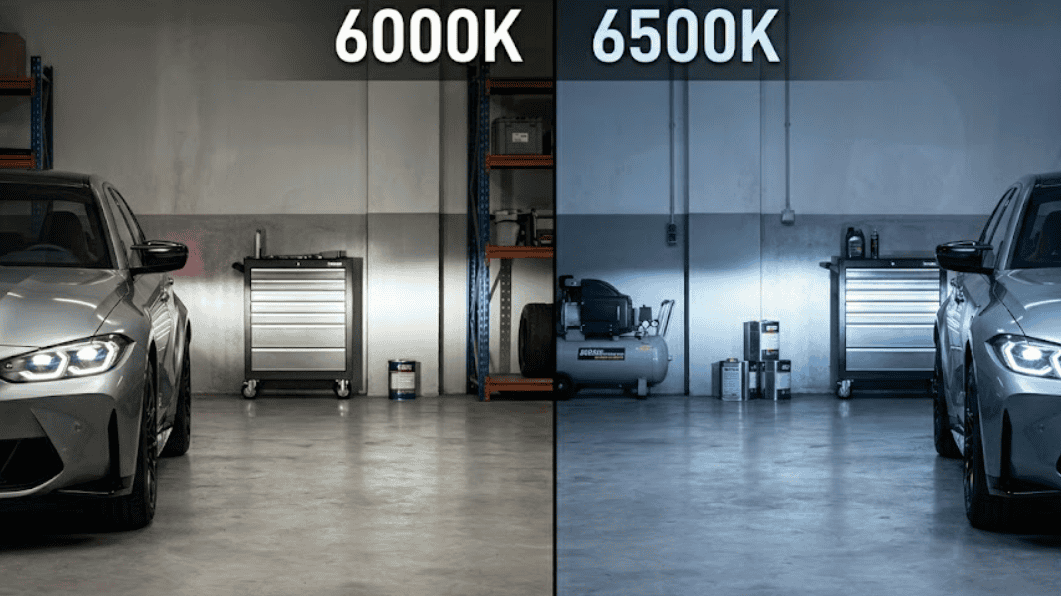
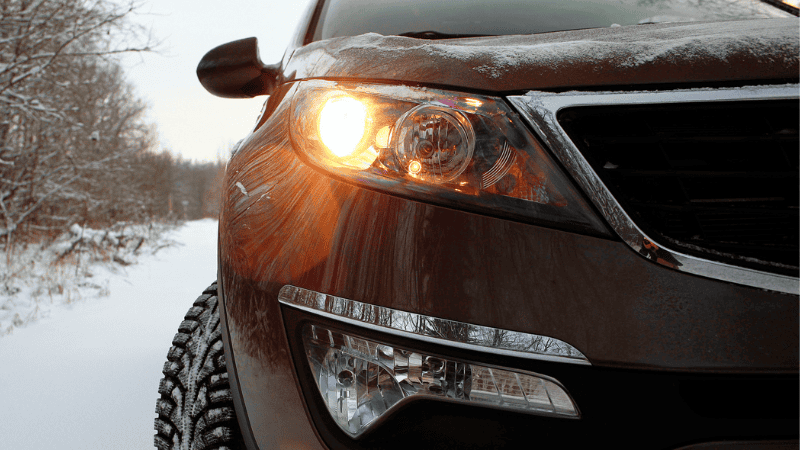
You can measure your headlight output in Kelvin (K). Lower Kelvin produces yellowish light with less brightness, while higher Kelvin gives whiter or bluish light. Halogens usually emit yellow light suitable for various weather, whereas LEDs provide bright white light, giving you a clearer and safer driving experience.
3. Lifespan
The last thing you want to do is avoid buying a light that has a short lifespan. If you get the perfect car headlight, its lifespan must be impressive. Having good longevity saves you from paying unnecessary maintenance costs too often.
You won’t need to keep replacing your headlights because they are fading. It’s best to buy headlights that will last you longer. Carry out appropriate research to get the very best headlight for your vehicle.
4. Price
You don’t need to overspend for good headlights. Choose one that fits your budget but avoid cheap, low-quality options. Saving a few bucks now can cost you more later in maintenance and replacements. Invest in headlights that meet your needs and last longer.
Final Thoughts
Weak sight can be worse than no sight. You can’t afford to drive at any given speed without clearly seeing the road ahead. Your headlights are your eyes for the road through the dark and the fog. Moreover, your car’s lights help you and other drivers. So, it’s time to work on your car’s electrical system and get the lights replaced.
Are you tired of using traditional LED bulbs or halogen lamps? We recommend that you choose LED lights that will serve you best. With this headlight, you’ll be confident to drive through any weather or time of the day.
Why Buy LED Headlights from Carlightvision?
Light up all roads with our exquisite LED headlights. The outlights align well with the car’s electrical system. Regardless of the climate conditions, you can enjoy every bit of your driving experience.
With Carlightvision‘s innovative lighting technology, you’ve got no worries driving through any road. You can have the best of different features in one. Reliability, visibility, and style merged into one. Connect with us now and experience true-quality lighting!
FAQ of Halogen and LED Headlights
Q1: Which headlights are best for night driving?
LED headlights are the best choice for your night driving. They give you brighter, whiter light, improve visibility, and help you spot road hazards faster. Halogen lights are softer and yellowish, which can be okay for basic driving, but they don’t perform as well in dark or foggy conditions.
Q2: Which is better, LED or halogen headlights?
LED headlights are superior for your car. They last longer, use less energy, and produce sharper light. Halogen headlights are cheaper and easy to replace, but they generate more heat, have a shorter lifespan, and offer weaker visibility. Your choice depends on your budget, car type, and driving needs.
Q3: What are the disadvantages of LED headlights?
LED headlights cost more upfront. You may need compatible housings or drivers to fit them properly. Poor installation can cause glare or uneven light patterns. Make sure your LED bulbs match your headlight assembly for safe, reliable performance.
Q4: What are the disadvantages of halogen headlights?
Halogen lights don’t last as long as LEDs and waste energy as heat. Their soft, yellowish light is less effective for long-distance visibility or adverse weather. They also limit styling and adaptive lighting options, which may affect your driving experience.
Q5: Can I just swap halogen bulbs for LED?
Not always. You can’t just drop an LED into a halogen housing. Check your vehicle specifications first. Using the wrong LED can cause glare or poor beam patterns. Always choose high-quality, compatible LED kits for your headlights.
Q6: Upgrade your headlights with Carlightvision
With Carlightvision, you get reliable LED headlights designed for your car. They deliver clear, bright light, improve your driving safety, and last longer than halogen bulbs. Choose Carlightvision to see better, drive safer, and enjoy your night rides with confidence.