Struggling with dim headlights or poor night visibility? Upgrading your lighting system can make a huge difference. In this guide, we’ll break down everything you need to know about the brightest 9005 headlight bulbs.
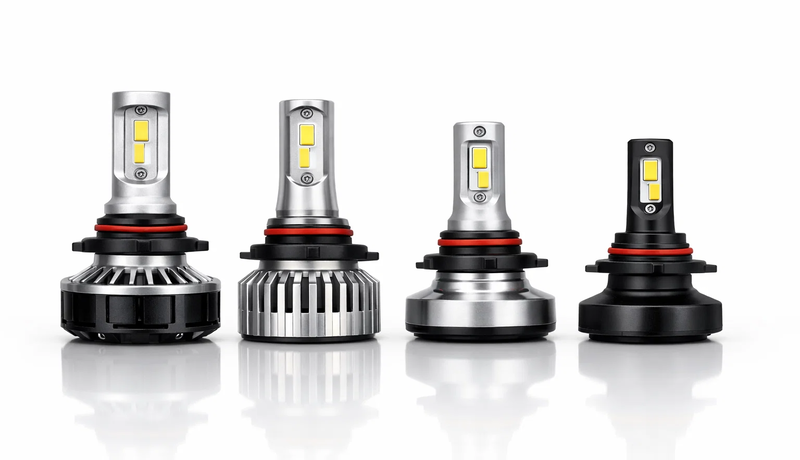
Many drivers are now switching to LED options for better brightness and efficiency. We’ll also compare bulb types, highlight top products, and help you choose the right fit.
What Is a 9005 Headlight Bulb?
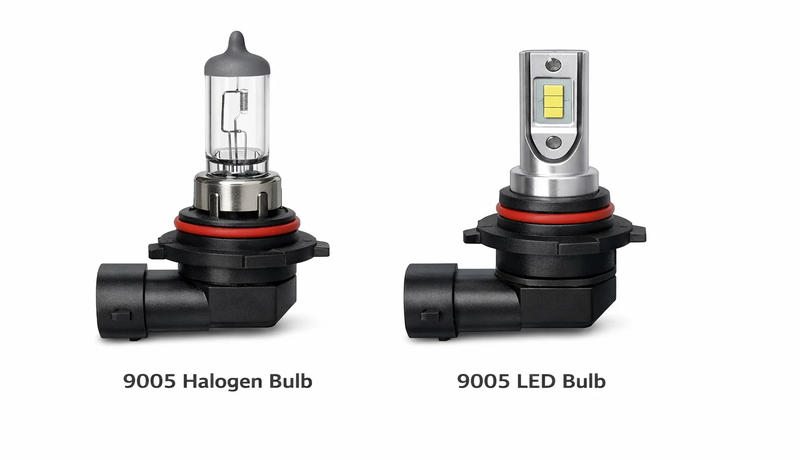
A 9005 headlight bulb, also known as an HB3 bulb, is a single-beam bulb primarily used in vehicle high beam headlights or Daytime Running Lights (DRLs). Its main purpose is to provide powerful illumination for long-distance visibility when driving at night or on dark roads.
Key Features of 9005 Bulbs:
- Voltage & Base: Operates on a standard 12V system with a P20d base.
- Function: Designed for high beams only, unlike dual-beam bulbs, which handle both high and low beams.
- Installation: Works inside the headlight assembly as a separate bulb, not part of a dual-function light.
- DRL Compatibility: If used for DRLs at reduced voltage, a standard LED may flicker or fail. In this case, choose a 9005 LED kit labeled ‘DRL Compatible’ or use a special decoder to handle pulsed power signals.
Which 9005 LED bulbs last the longest?
The longest-lasting 9005 LED bulbs are typically those made with high-quality CREE or Philips LEDs, paired with efficient aluminum heat sinks and active cooling fans. These designs reduce heat buildup, ensuring a lifespan of 30,000 to 50,000 hours or more.
Can 9005 LED bulbs be used for fog lights?
Yes, you can use 9005 LED bulbs in fog lights if your fog light housing supports high-beam-style bulbs. Make sure your car allows the wattage and beam pattern for safe use. Typical 9005 LEDs run 20-35 watts per bulb, giving brighter fog coverage than standard halogens. Using them properly improves your visibility just like your high beams, as discussed above.
9005 vs 9006 vs H11: What’s the Difference?
Understanding the differences between these bulb types helps avoid compatibility issues and get optimal performance.
- 9005 (HB3): High beam bulb designed for maximum brightness and long-range visibility.
- 9006 (HB4): Low beam bulb with controlled beam pattern.
- H11: Used for low beams or fog lights with wide, short-range illumination
The Ultimate Comparison Table:
| Feature | 9005 | 9006 | H11 |
|---|---|---|---|
| Beam Type | High Beam | Low Beam | Low/Fog |
| Wattage | 65W | 55W | 55W |
| Brightness | Higher | Moderate | Moderate |
| Common usage | High beam applications | Low beam applications | Low beam & fog lights |
| Interchangeability | Limited | Limited | No |
| Wattage | 65W | 55W | 55W |
| Base Type | P20d | P22d | PGJ19-2 |
| Filament Type | Single filament | Single filament | Single filament |
| Color Temperature (Halogen bulbs) | ~3200K | ~3200K | ~3200K |
| Lifespan | 500–1000 hours | ~1000 hours | 1000–1500 hours |
| Beam Distance | Long-range visibility | Medium-range | Short to medium range |
| Best Use Case | Night driving on highways | Daily city driving | Fog, rain, and low visibility conditions |
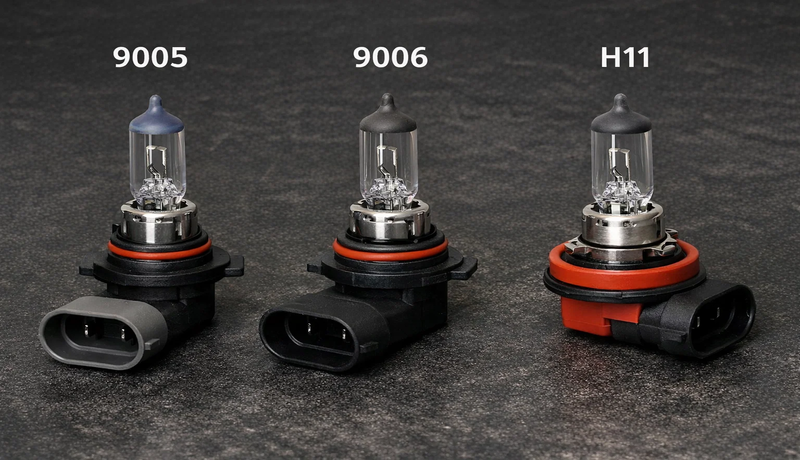
While they look identical, they are mechanically keyed differently. 9005 bulbs have different locking tab offsets and a thinner O-ring compared to 9006.
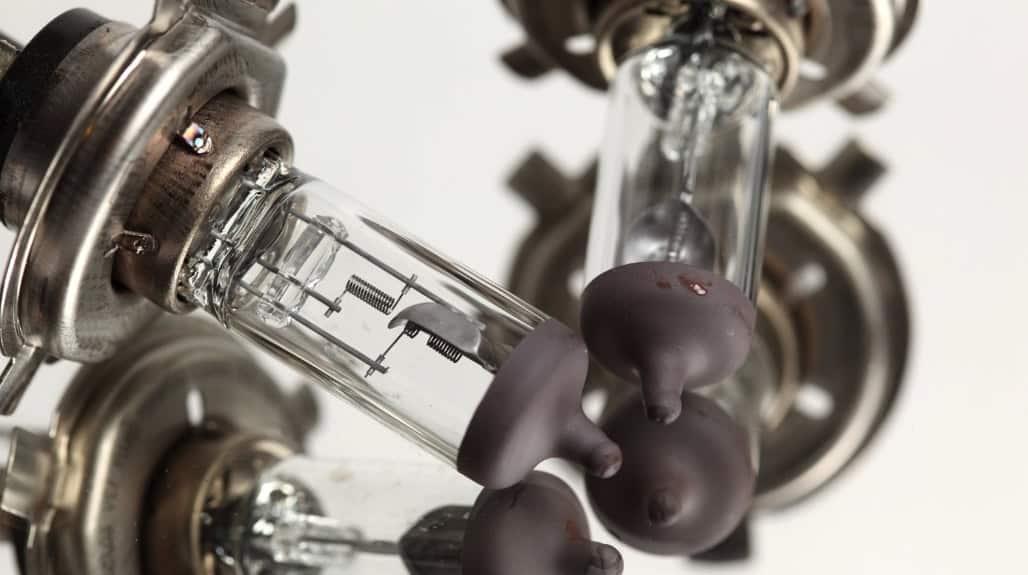
Additionally, 9005 bulbs lack the grey tip paint (top coat) found on 9006 low beams, because high beams are designed for maximum light escape rather than glare control.
Are 9005 bulbs brighter than 9006 or H11?
Yes, 9005 bulbs are generally brighter than 9006 or H11 bulbs because they are designed for high beam use with higher wattage and lumen output, while 9006 and H11 bulbs are typically used for low beams or fog lights with lower brightness levels; however, actual brightness can vary depending on the LED or halogen technology used.
Why Upgrade to 9005 LED Headlight Bulbs?
Upgrading to 9005 LED headlight bulbs gives you brighter, longer-lasting light, instant illumination, and improved driving safety, while using less power and offering modern color options for different driving conditions.
1. Brighter and Longer Visibility
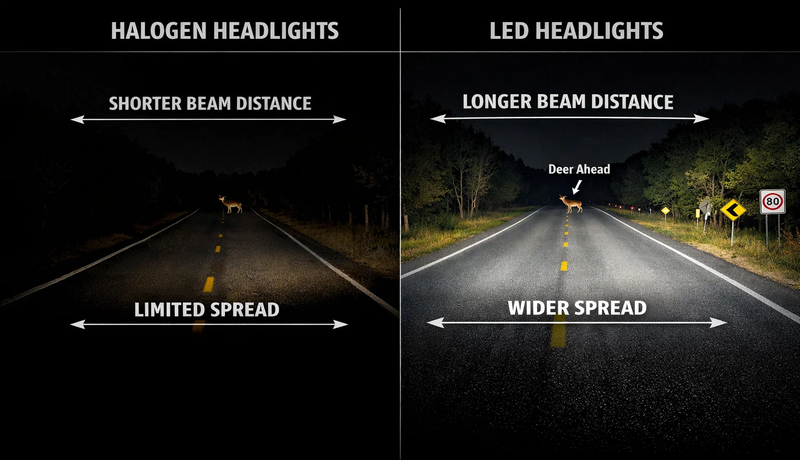
LEDs project a much wider and longer beam than halogen. So, you can get more reaction time at higher speeds. Halogen bulbs typically produce around 1,000-1,400 lumens, which provide limited brightness, especially on dark roads.
Modern LED replacements offer between 4,000 and 12,000 Raw Lumens. However, pay attention to Effective Lumens—the actual light that stays on the road after heat stabilization.
While some brands claim 20,000+ lumens, these are often peak theoretical values; a stable 5,000-6,000 effective lumens per bulb is the gold standard for high-performance driving.
2. Energy Efficiency and Lifespan
LEDs put less strain on your car’s electrical system. That means better performance without unnecessary power drain. They use 40-60% less power than halogens. Halogen bulbs last 500-1,000 hours. LEDs can last up to 50,000 hours. It saves you from frequent replacements.
3. Improved Driving Safety
LED bulbs do not take time to reach full brightness like halogens. When you switch on LEDs, they light up instantly. There’s no warm-up delay, which matters in sudden low-visibility situations. This instant response improves reaction time and reduces eye strain, especially during long nighttime drives.
4. Modern Light Color Options
Not all roads and weather conditions are the same. LED bulbs give you the flexibility to match different driving environments. You can choose a color temperature that suits your driving conditions.
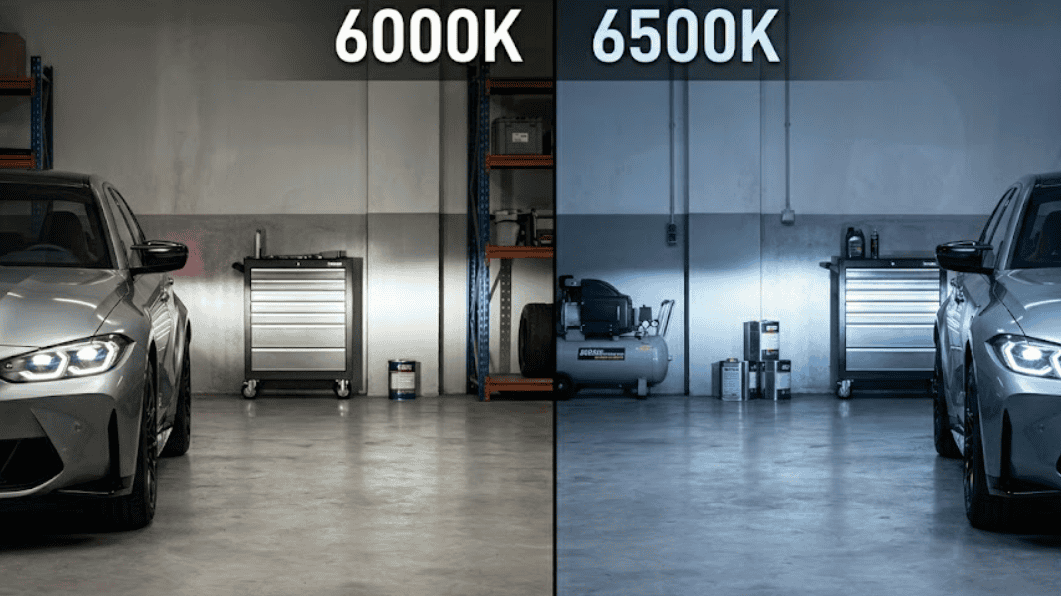
You can switch color temperatures, like 3000K yellow for fog light applications to 6500K cool white for clear nights. It improves contrast and helps you see road details more clearly.
5. Downsides You Should Know
LED upgrades aren’t completely plug-and-play for every vehicle, so it’s worth knowing the trade-offs upfront. They come with a higher upfront cost, may require CAN bus decoders, and need proper heat management. Also, legal compliance can vary depending on your region.
How to Choose the Best 9005 LED Bulb
The best 9005 LED bulb for your car is one that balances brightness, beam pattern, cooling, and reliability while fitting your vehicle safely. You want a bulb that lights your road clearly, lasts long, and doesn’t blind oncoming drivers. Choosing the right LED also ensures your investment in safer night driving actually pays off.
1. Brightness vs Beam Pattern
A lot of sellers push high lumen numbers, but brightness alone doesn’t guarantee better visibility. What you want is a bulb that pushes light farther and wider. A well-defined cut-off with 15,00-6,000 lumens keeps the road clearly lit. It also prevents light from blinding oncoming traffic.
2. Cooling System Matters
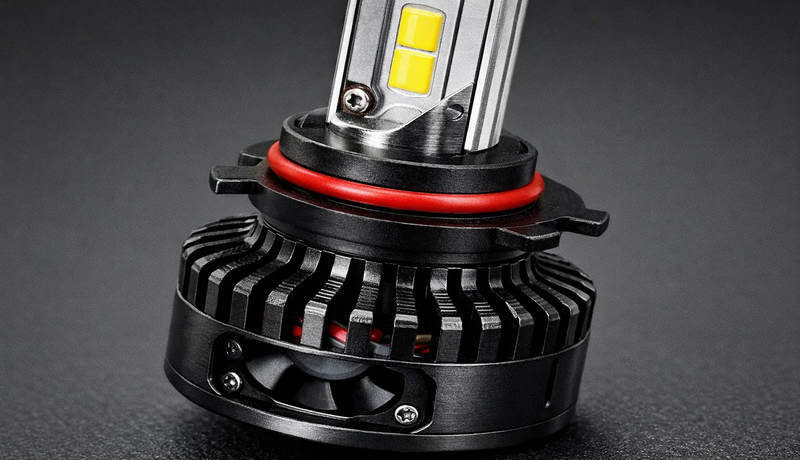
LED bulbs generate heat at the base, and if that heat isn’t managed properly, performance drops fast. You will notice dimming, flickering, or even early failure.
Fan-cooled bulbs actively push heat out, which works well for high-output setups. But the fan itself can wear out over time. Fanless designs rely on solid heat sinks. These are quieter and usually more reliable for daily driving.
3. LED Chip Quality
The chip inside the bulb actually produces the light. So its quality must be considered. Premium chips like CREE, Philips, and Osram deliver consistent brightness and accurate color, which helps you see road signs, lane markings, and obstacles more clearly.
Cheaper chips look fine at first, but often produce uneven light or shift color over time. If you notice a bluish tint that feels harsh or light that fades quickly, that’s usually a sign of lower-grade components.
4. Waterproof ratings
A poorly sealed bulb can let water or dust in, which affects performance and lifespan. Look for bulbs with IP ratings of IP65, IP67, or IP68 ratings for complete resistance against water and dust in harsh conditions.
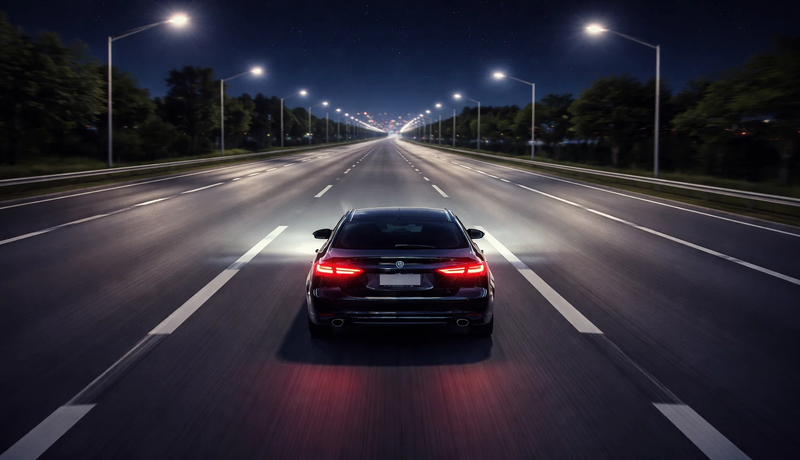
5. Budget Guide
Price should match how you actually use your headlights. Overspending or going too cheaply can lead to disappointment.
- $30–50: Basic upgrade from halogen. It’s suitable for occasional or city driving.
- $50–100: Best value range with solid brightness, reliability, and lifespan.
- $100–200+: You will get high-performance bulbs built for long-distance, off-road, and heavy daily use.
Usually, the mid-range is the sweet spot. It delivers noticeable improvement without unnecessary cost.
6. Optical Alignment (1:1 Filament Match)
Ensure the LED chips are positioned exactly where the original halogen filament was. In 9005 high-beam reflector housings, even a 1mm offset can scatter light into the sky instead of down the road, reducing your actual long-range visibility
7. Certifications and Legality
Not every LED bulb that fits your car is actually safe or legal to use on the road. Look for bulbs that follow DOT or SAE standards, as these indicate the beam pattern and output are designed for road safety.
Also, keep in mind that LED conversions are regulated differently depending on your country or region. Always double-check local laws before upgrading.
How to Install 9005 LED Headlight Bulbs
Installing your 9005 LED bulbs is simple if you follow the right steps. With the correct preparation and alignment, you can upgrade your headlights safely in 15–30 minutes, improving your visibility and road safety.
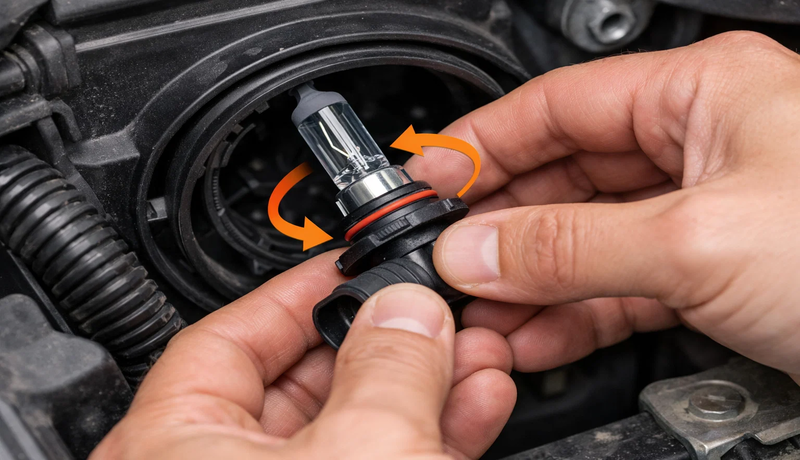
- Preparation – Turn off your car and let the headlights cool to avoid burns or damage. Wear gloves to keep your hands and bulbs clean. Have zip ties ready to secure loose wires.
- Rear Clearance Check – LED bulbs with cooling fans are longer than halogens. Ensure 20–30mm of space behind the socket so the bulb fits properly.
- Dust Cap Check – If the factory dust cap doesn’t fit, use an extended rubber cover to protect your headlights from moisture and dust.
- Remove Old Bulb – Access the back of the headlight housing. Twist your old 9005 halogen counterclockwise and remove it carefully without touching hot glass.
- Install LED Bulb – Insert the LED in the same orientation as the original bulb. Make sure it is securely seated and aligned to maintain the proper beam pattern. Avoid touching LED chips.
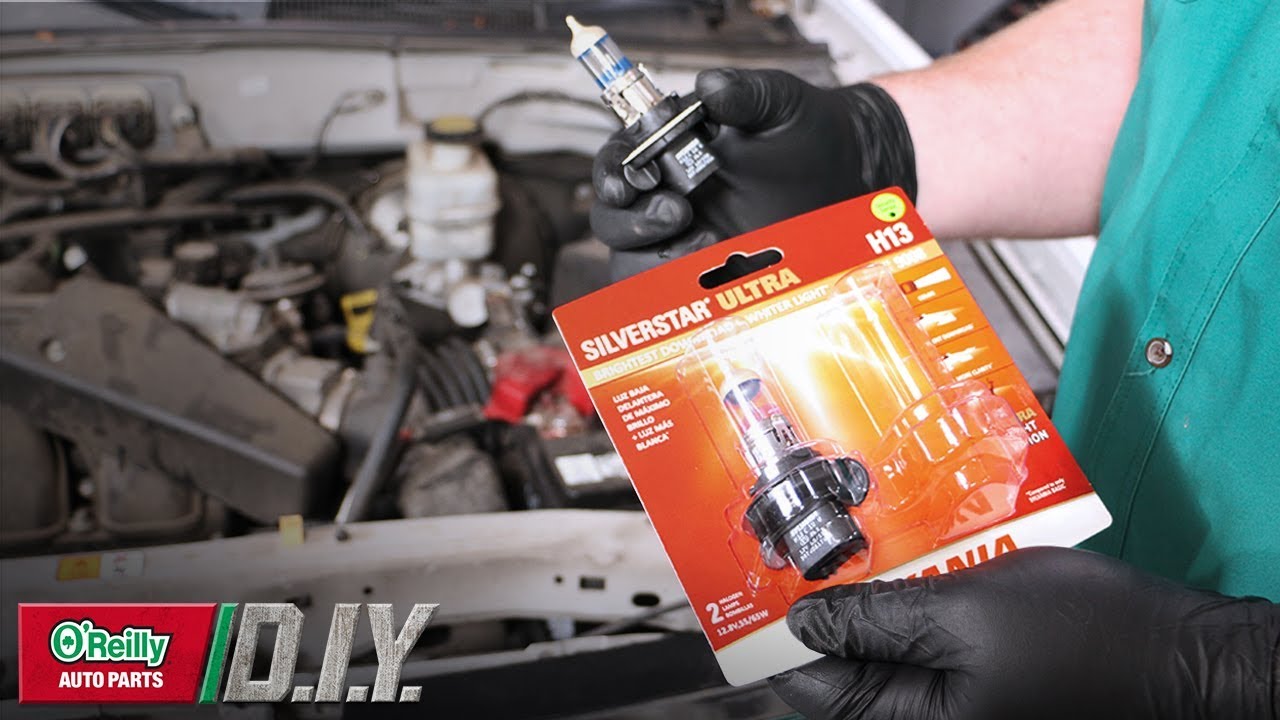
- Secure Wiring – Use zip ties to fix any external drivers or wires so they don’t move while you drive.
- Test Bulb – Reconnect the power and turn on your headlights. If the LED does not light, flip the plug to correct polarity.
- Check Beam Alignment – Shine the lights on a wall to verify proper beam focus. Adjust if the beam is scattered or pointing too high.
- Heat Management – Ensure enough space around the LED for heat dissipation. Tight housings may cause overheating, flickering, or reduced lifespan.
- CANbus/Decoder Requirement – Some vehicles require a CANbus adapter or decoder to prevent flickering or dashboard error warnings.
- Legal & Vehicle Compatibility – Always confirm your LED fits your car, meets local regulations, and is compatible with your vehicle’s electrical system.
Important Notes to Install 9005 LED Headlight Bulbs:
Avoid touching the LED chips directly. A small contamination can affect performance over time. Make sure there’s enough space around the bulb for heat dissipation. Tight housings can cause overheating issues.
Some vehicles need additional adapters or decoders, especially if you notice flickering or dashboard warnings after installation.
Common Problems and Troubleshooting of 9005 LED
Even a good 9005 LED setup can run into small issues after installation. Most problems are easy to fix if you know the cause.
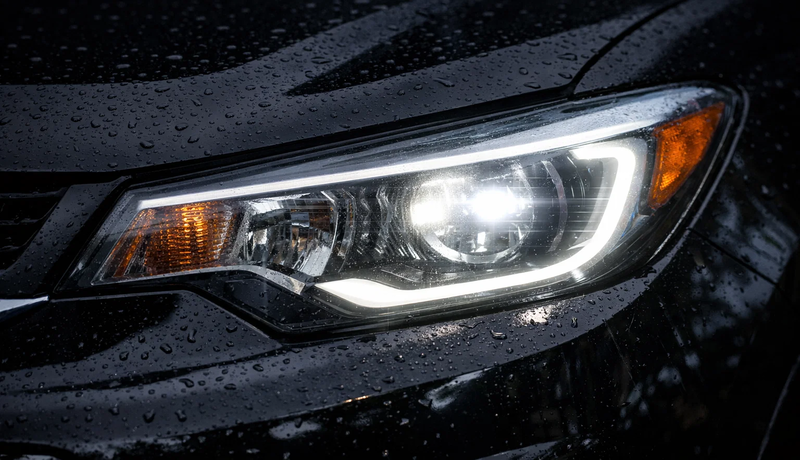
Common Issues
- Flickering: It usually points to a power mismatch. Add a CAN bus decoder to stabilize the current.
- One side not working: If one bulb doesn’t turn on, it is usually a polarity issue, so flipping the connector solves it.
- Poor beam pattern: Uneven beam pattern, typically due to the bulb not being seated correctly. A quick reinstall can fix the alignment.
- Overheating: It’s a sign of poor airflow, especially in a tight headlight assembly. Improving ventilation can fix the issue.
- Dashboard warning: These are common in newer vehicles. Installing a resistor or decoder can bypass the system checks.
Maintenance Tips
Check connections time to time to make sure nothing loosens over time. Dust buildup around the cooling system can also reduce performance. Keep it clean to maintain brightness.
If the light output is fading, it’s a sign that the bulb is nearing the end of its lifespan and should be replaced.
Upgrade Your Headlights with Carlight Vision
At Carlight Vision, we focus on delivering high-performance LED headlight solutions built for real driving conditions. Explore our latest 9005 LED headlight range or contact our team for tailored recommendations. Our experts are ready to help you find the right solution for your specific needs.
FAQ for 9005 LED Headlight Bulbs
Q1: What is the difference between 9005 and HB3 bulbs?
There’s no real difference—9005 and HB3 are just two names for the same bulb. You get the same single-filament design, high-beam focus, and wattage (55–65W for halogen). Knowing this helps you pick the right LED replacement for your car.
Q2: Which 9005 LED bulbs last the longest?
The longest-lasting 9005 LEDs use premium chips like CREE or Philips with aluminum heat sinks or active cooling. They can last 30,000–50,000 hours, giving you years of safer night driving without frequent replacements.
Q3: What cars use 9005 headlight bulbs?
Many modern cars use 9005 for high beams, including models from Honda, Toyota, Ford, and Nissan. Always check your car’s owner manual or bulb base markings to confirm, so you pick the right LED upgrade.
Q4: Can I replace a 9005 halogen bulb with an LED?
Yes, you can swap a 9005 halogen for an LED in most vehicles. Make sure your LED is CANbus compatible if your car has flicker detection, and check that the bulb fits your headlight housing for proper beam alignment.
Q5: Are 9005 and 9006 bulbs interchangeable?
No, 9005 and 9006 are not interchangeable. 9005 is for high beams and 9006 for low beams, with different base angles and wattages. Using the wrong bulb can reduce your visibility and may blind oncoming drivers.