Ever noticed that your taillights are on, but your brake lights aren’t, or vice versa? You’re not alone. Our guide will teach you the common differences and the basic fixes for tail and brake lights to help you drive safely.
And if you need new lights, CarlightVision can help you with that matter as well.
This guide will help you solve these problems:
- What does the brake light look like on the dashboard
- Is a brake light and taillight the same thing?
- Why do I have brake lights but no tail lights?
- Are stop tail lights the same as brake lights?
- How to turn on tail lights what are tail lights used for?
Let’s start it.
What are Tail Lights and Brake Lights
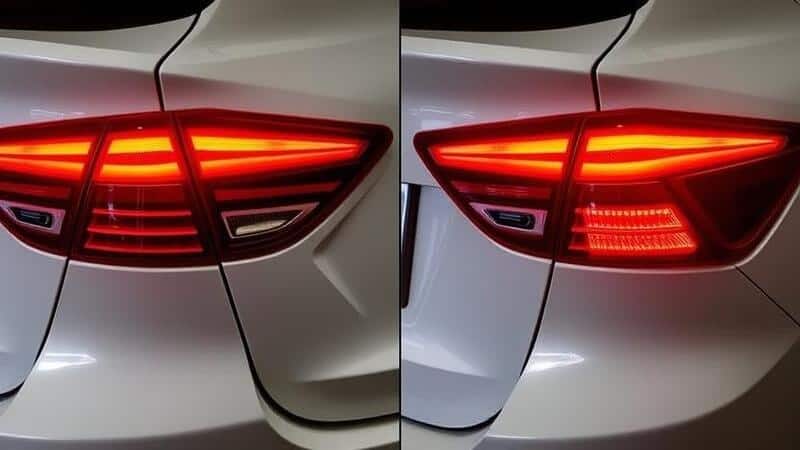
Tail lights and brake lights are two different rear lighting systems on your vehicle. Your tail lights help other drivers see your car in low-light conditions, while your brake lights show when you are slowing down or stopping.
Tail Lights
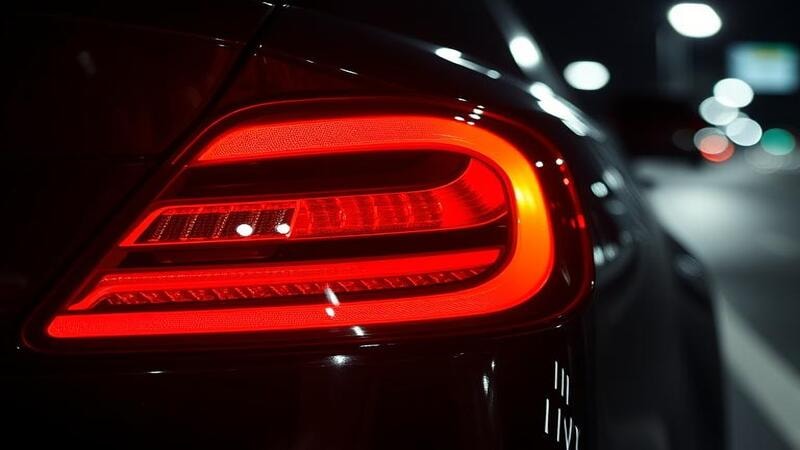
Your tail lights turn on automatically when you switch on your headlights or parking lights. They stay on during low visibility conditions such as night driving or rain.
Their main purpose is to make your vehicle visible to other drivers. In simple terms, they help others see where you are on the road when visibility is reduced.
Brake Lights
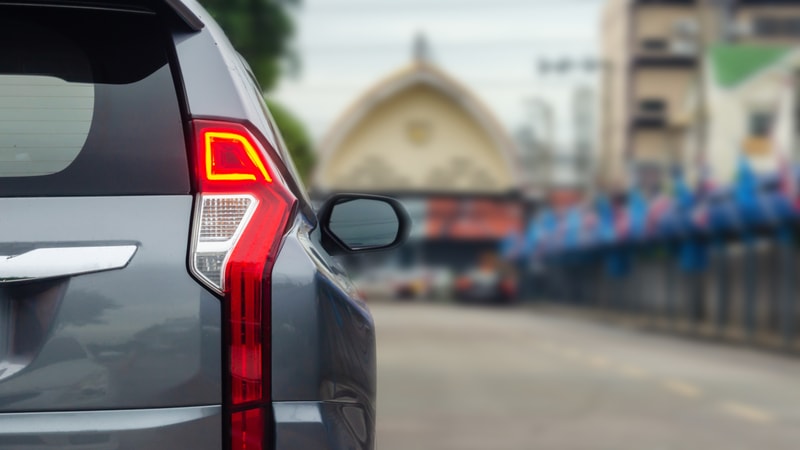
Your brake lights only activate when you press the brake pedal. They produce a brighter red light than tail lights so that other drivers can quickly notice your action.
Their purpose is to show that you are slowing down or stopping. This makes them an important safety signal that helps prevent rear-end collisions.
How Tail Lights and Brake Lights Work Together
Once you understand them individually, it becomes much clearer how they work together as a system on your vehicle.
When you turn on your headlights, your tail lights automatically stay on to keep your vehicle visible. Then, when you press the brake pedal, your brake lights activate instantly to signal your movement.
This coordination ensures that other drivers can always see your vehicle and understand what you are doing on the road.
If either system stops working, your visibility or communication with other drivers can be reduced. This can make it harder for others to react in time and increases the risk of accidents.
When Do Tail Lights and Brake Lights Turn On?
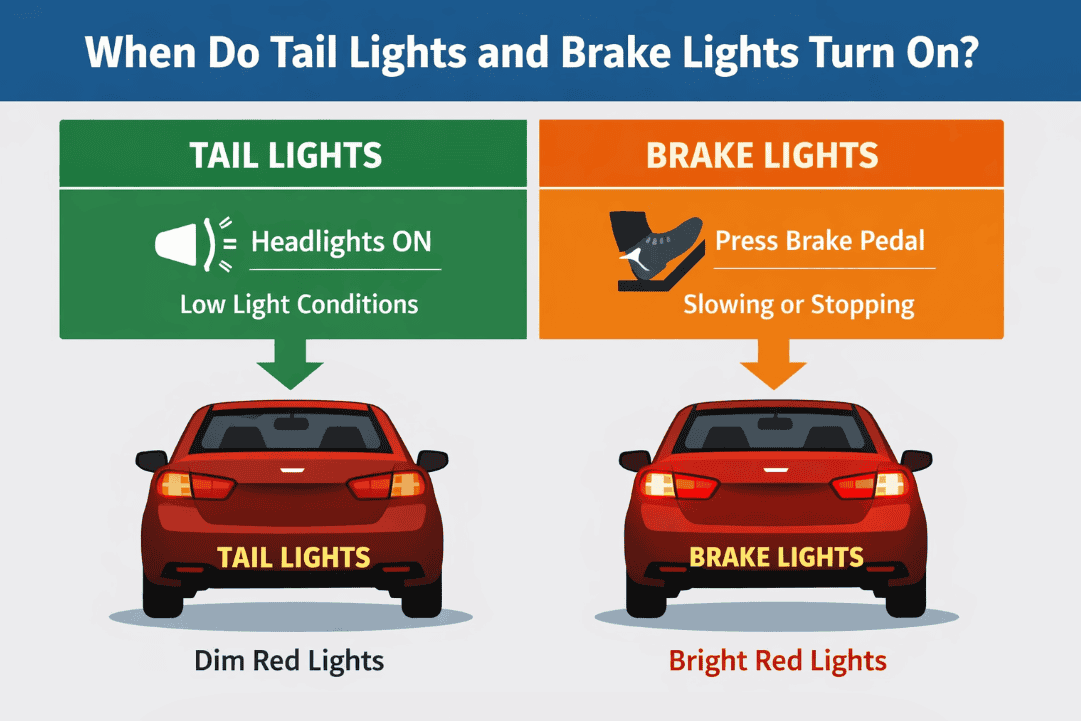
Now that you understand how these lights work together, the next step is knowing exactly when each one turns on. This is where many drivers get confused, especially when only one light seems to be working.
To simplify things, you can think of it this way: Your driving behavior directly controls your rear light signals.
| Driving Behavior | Tail Lights | Brake Lights |
|---|---|---|
| Headlights ON | ON (dim) | OFF |
| Braking | ON (dim) | ON (bright) |
| Night driving | ON | OFF |
As you can see, tail lights are tied to your lighting system, while brake lights respond to your actions.
In fact, automotive lighting standards from the Society of Automotive Engineers require rear lights to activate under specific visibility and braking conditions to ensure consistent communication between vehicles.
Tail Lights vs Brake Lights: What are the differences?
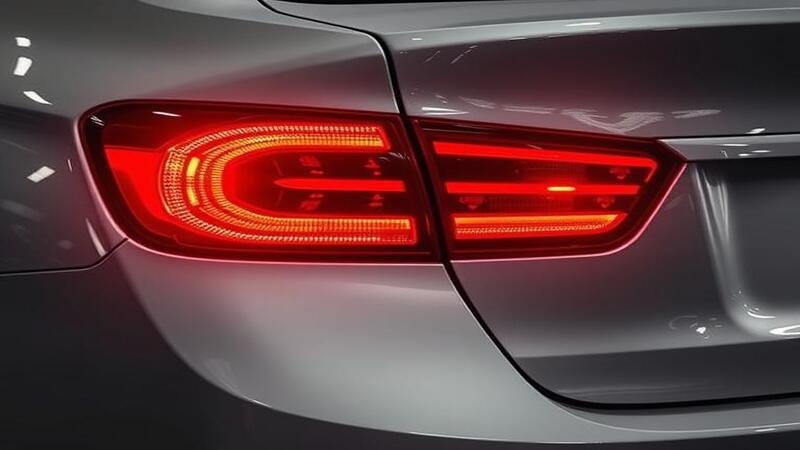
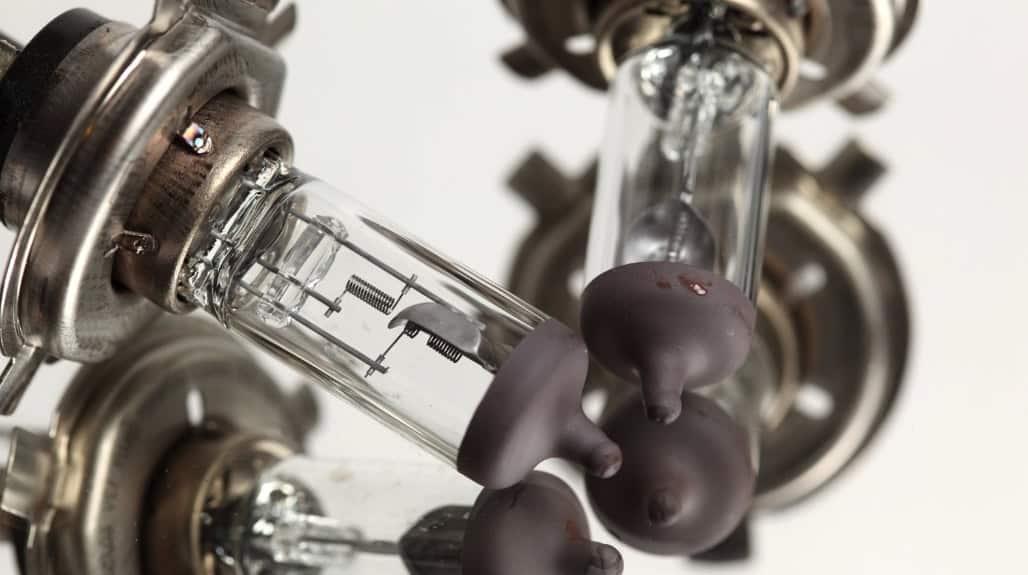
In many older and mid-range vehicles, the brake and tail lights use the same bulb. These are typically dual filament bulbs. One filament powers the tail light, which remains dim. When you push the brake pedal, the second filament becomes brighter.
Newer cars usually use individual lights or dedicated LED circuits. These provide improved performance and design flexibility. Even when they share a bulb, the brake and tail lights use separate electrical signals. Each has its own trigger mechanism and voltage path to minimize confusion during operation.
| Feature | Brake Lights | Tail Lights |
|---|---|---|
| When They Activate | When the brake pedal is pressed | When headlights or parking lights are on |
| Purpose | Signals deceleration or stopping | Enhances rear visibility at night or in low light |
| Light Intensity | Brighter | Dimmer |
| Control Mechanism | Brake pedal switch | Headlight/parking light switch |
| Bulb Type (in many vehicles) | Dual filament (brighter filament) | Dual filament (dimmer filament) |
| Wiring System | Separate the circuit from the headlights | Shares circuit with front lights |
Why Are My Tail Lights Not Working, but Brake Lights Are?
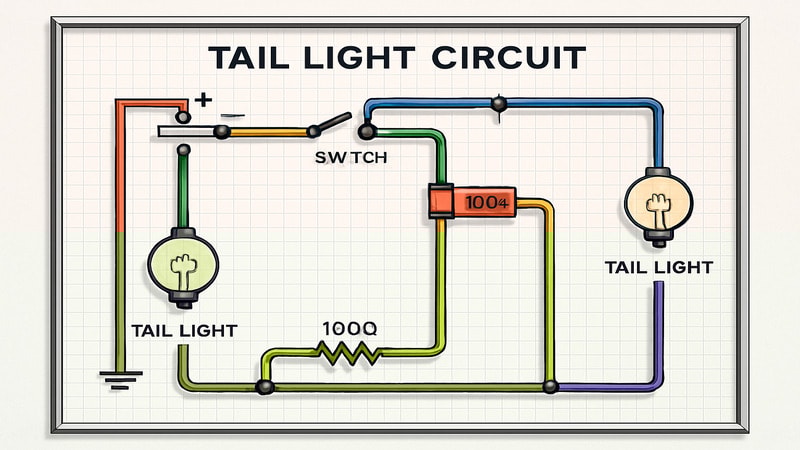
One of the most common issues for drivers is this one. If the brake light doesn’t work properly while the tail light seems to function, then the problem lies in the brake light system. The first thing you should suspect is a blown fuse.
As tail lights have a separate fuse from brake lights, they can function regardless of brake light functionality. Another common cause is a burnt-out taillight filament. In dual filament bulbs, one side can still function while the other side fails.
Tail lights could also fail to light up due to wiring problems or short circuits. Look for signs of broken or exposed wires near the rear lighting harness.
The issue could also be caused by a defective headlight or light switch. It is possible that they may not be transferring electricity to the taillights. It is particularly plausible if your dashboard or parking lights are also malfunctioning.
Finally, a damaged or dirty bulb socket might disrupt power transmission to the taillights. Most older sockets are prone to moisture and dirt buildup.
What Causes Brake Lights to Stop Working?
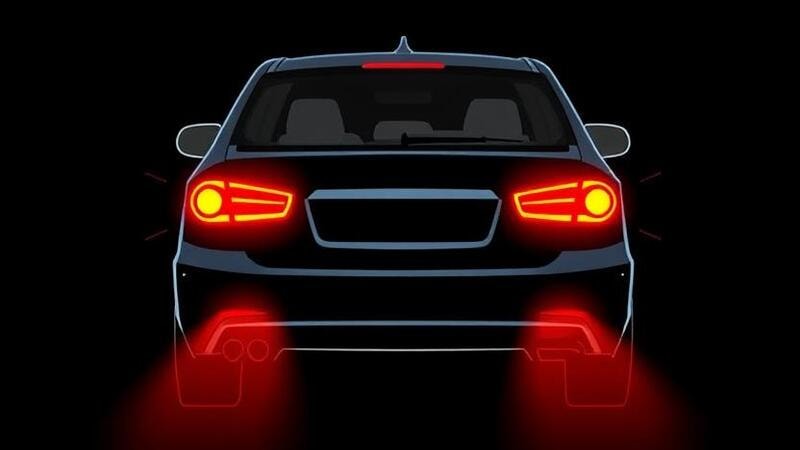
Brake lights are vital for road safety because they alert other cars when you are slowing down or stopping. When they fail, it’s critical to detect and resolve the problem right away.
One of the most common causes is a blown brake light fuse. The fuse protects the brake light circuit against electrical surges. A quick inrush of electricity, particularly when the car starts, might cause the fuse to blow. This results in non-functional brake lights.
Moreover, brake light bulbs have a limited lifespan and can burn out over time. If one or both bulbs fail, the brake lights will not light up.
A faulty brake light switch could also be the reason for a malfunctioning brake light. It is located near the brake pedal. If the switch becomes jammed, the brake lights can fail to turn on or remain on indefinitely.
Furthermore, damaged wiring can also disrupt the electrical supply to the brake lights. The brake light wiring problems include concerns such as loose connections, frayed wires, and rust in the bulb sockets.
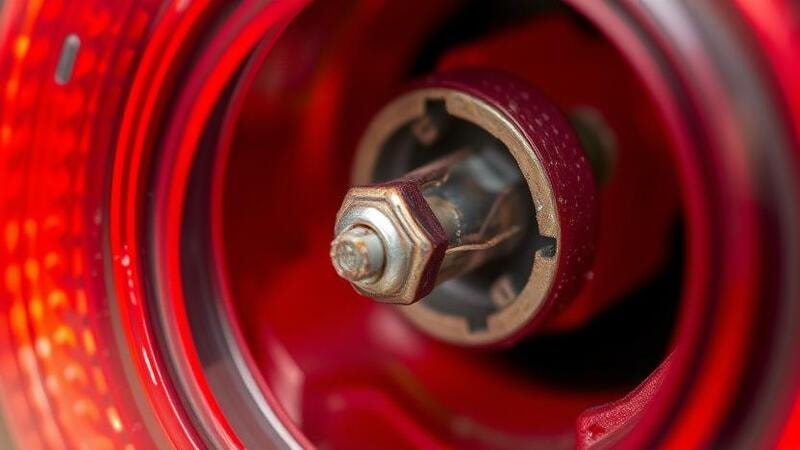
Over time, moisture and debris can build up in the bulb sockets, causing corrosion. Corrosion can damage the electrical connection, leading the brake lights to fail.
In vehicles with LED brake lights, a faulty controller or module can cause the brake lights to fail. Unlike traditional bulbs, LED lights rely on electronic controllers. If the light controller is broken, it can cause the entire lighting system to fail.
Quick Diagnosis Guide
Once you know how your lights are supposed to behave, diagnosing a problem becomes much more straightforward.
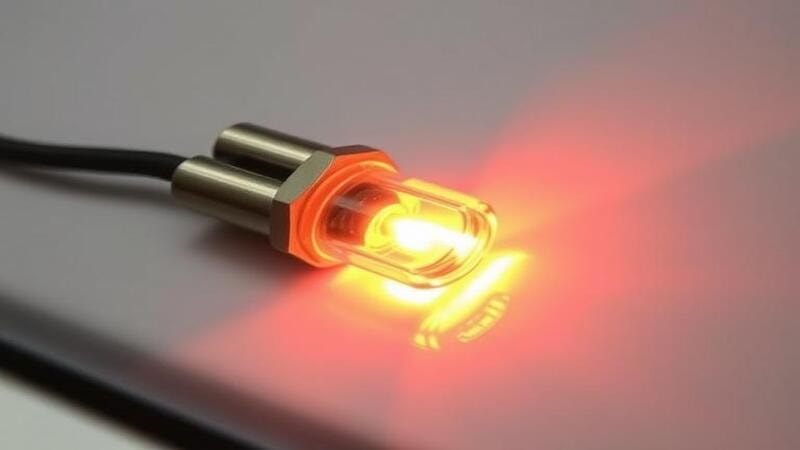
Instead of guessing, you can simply observe what’s working—and what’s not.
Here’s a quick way to narrow it down:
- Tail lights ON + Brake lights OFF
→ Likely issue: brake light switch or fuse - Brake lights ON + Tail lights OFF
→ Likely issue: headlight switch or tail light circuit - Both OFF
→ Possible issue: wiring, fuse, or ground connection
This kind of quick check can save you time, money, and unnecessary part replacements.
According to the AAA, electrical faults such as blown fuses and faulty switches are among the most common causes of vehicle lighting failures.
So before replacing bulbs blindly, it’s worth taking a minute to identify the actual cause or you can ask the trusted experts for help to change a safe and car lights with low maintenance costs, such as carlightvison.
How to Repair or Replace Tail Lights and Brake Lights Yourself
Fixing rear lights may appear overwhelming, but many tail light and brake light issues can be resolved at home with only a few tools. Here is how you can do it yourself.
1. Inspect the bulbs
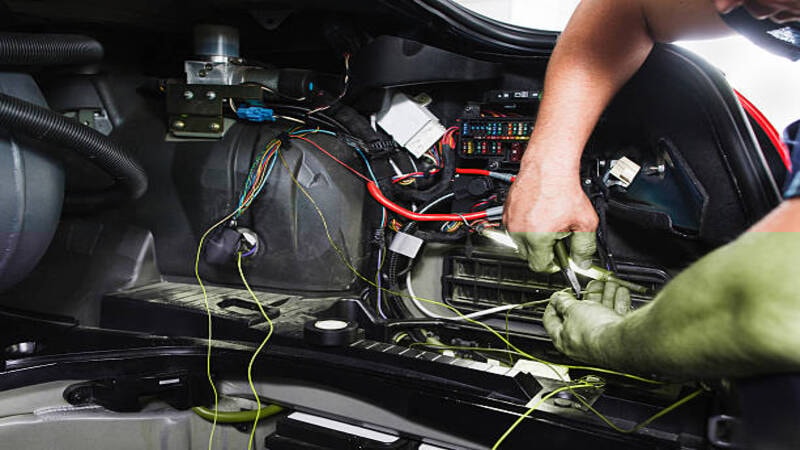
Open your trunk and remove the light housing (typically secured in place by a few screws or plastic clips). Check if the burnt-out bulb is the reason or if it’s broken. Replace with the same type of bulb.
2. Check the fuses
Use your owner’s manual to identify the fuse box and the brake or taillight fuse. Take it out and inspect it. If the metal strip inside is broken, replace the fuse with one with the same amp rating.
3. Test the sockets and wiring
If the bulbs and fuses work properly, inspect the bulb socket for corrosion or damage. Spray some electrical contact cleaning and use a soft brush if necessary. Also, make sure the wires leading into the socket are secure and not loose.
4. Replace the Switch
If your brake lights do not function but the bulbs and fuses are fine, the brake light switch near the brake pedal may be faulty. You can buy a plug-and-play switch and replace it.
5. Use a Multimeter for Testing
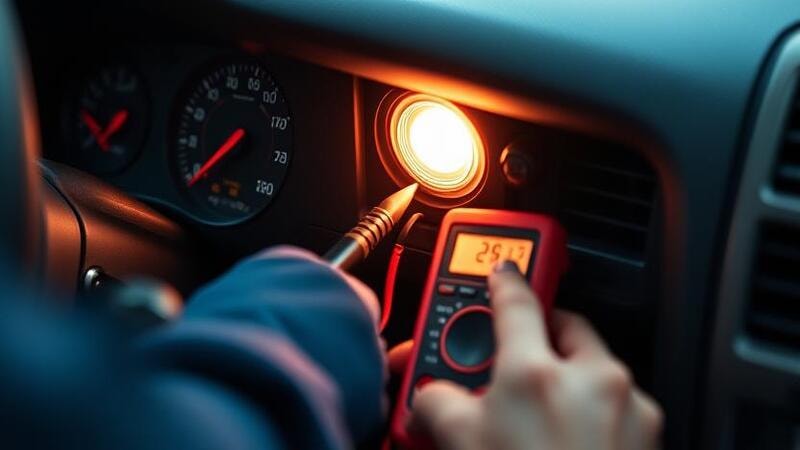
A multimeter can help more experienced DIYers test voltage in the socket or fuse to determine where the power stops. This helps to rule out electrical concerns.
6. Do Not Forget LED taillights
If your LED tail or brake lights fail, you may need to replace them entirely. Some models employ internal circuits that cannot be repaired individually.
LED Tail & Brake Lights Upgrade
Once you understand how critical these signals are, the next logical question is:
Are your current lights performing as well as they should? If your lights feel dim, slow to respond, or frequently fail, upgrading may be worth considering.
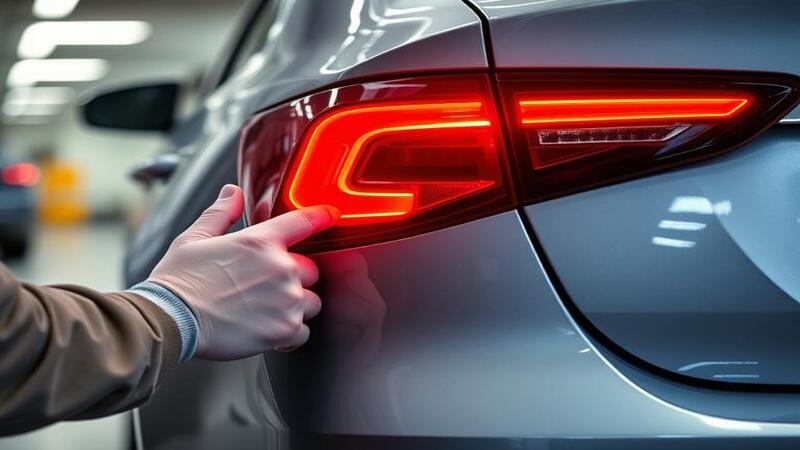
Many drivers today are switching to LED systems and for good reason:
- Faster response time: LEDs illuminate almost instantly, giving drivers behind you more time to react
- Higher brightness: Better visibility in low-light and bad weather conditions
- Longer lifespan: Less frequent replacements and lower maintenance
According to the U.S. Department of Energy, LED lighting uses at least 75% less energy and can last up to 25 times longer than traditional incandescent bulbs.
In practical terms, this means:
- More reliable performance
- Improved safety
- Lower long-term cost
So if you’re already dealing with lighting issues, upgrading to LED isn’t just a fix—it’s a long-term improvement.
Conclusion
Safe driving starts with understanding your vehicle’s lighting, especially the crucial differences between tail lights and brake lights. The brake lights turn on with the push of the brake pedal. While the tail lights are synced with the headlight system. Making sure both are in proper working order helps keep you, your passengers, and other road users visible and safe on every drive.
Whether you’re diagnosing a blown fuse, identifying wiring faults, or replacing a broken bulb, having the correct information allows you to make quick, confident repairs.
Need Tail or Brake Light Solutions for Your Business?
At CarlightVision, we stock energy-efficient, vehicle-specific tail and brake light solutions designed for easy installation and long-term performance.
Whether you’re upfitting a commercial fleet, serving your own customers, or replacing faulty lights, our expert-approved products help you keep vehicles safely on the road. Explore our rear lighting range or contact us for professional help.
We supply vehicle-specific, energy-efficient tail and brake lights designed for your reliability, easy installation, and long service life.
Trusted by fleets, workshops, and distributors worldwide, we help you maintain stable supply and consistent quality for your business.
Contact us for your bulk pricing, OEM support, or product recommendations tailored to your needs.
FAQ of tail lights and brake lights
Q1: Are tail lights and brake lights the same?
No, they are not the same. They serve different purposes and activate under different conditions.
Tail lights turn on with headlights and improve vehicle visibilit;
Brake lights turn on when you press the brake pedal and signal slowing or stopping;
Although they are often in the same housing, they function as separate syste.
Q2: Do tail lights and brake lights use the same bulb?
In some older vehicles, they can use the same bulb, but they work independently.
Dual-filament bulb: one for tail lights, one for brake lights;
One function can fail while the other still works;
Newer cars often use separate LED systems.
Q3: How can I know if my taillight bulb has blown?
Check visually; if one side remains black while the headlights are turned on, it’s a sign. You can also remove the bulb to inspect the filament. A broken or discolored filament usually indicates that it has been blown. Some cars additionally have a dashboard warning light for external bulb failure.
Q4: What is the purpose of the third brake light?
The third brake light, known as the Center High Mount Stop Lamp (CHMSL), is mounted higher than the regular brake lights. Its raised position guarantees that the brake signal is visible to drivers in taller cars or in heavy traffic.
Q5: Why Brake Lights Are Brighter
Brake lights are brighter because they are designed to quickly grab the attention of drivers behind you when you slow down or stop. The higher brightness helps ensure the signal is clearly visible even in daylight or poor weather conditions. This faster recognition gives other drivers more time to react and helps reduce the risk of rear-end collisions.