Did your car’s brake lights stop working? If your brake lights are not turning on, the most common cause is a blown brake light fuse. Brake lights are critical for road safety and a communication tool between drivers.
The brake light fuse protects the lights in case of an electrical malfunction. This guide explains why brake lights won’t turn on, what the brake light fuse is called, and how to fix brake lights not working step by step.
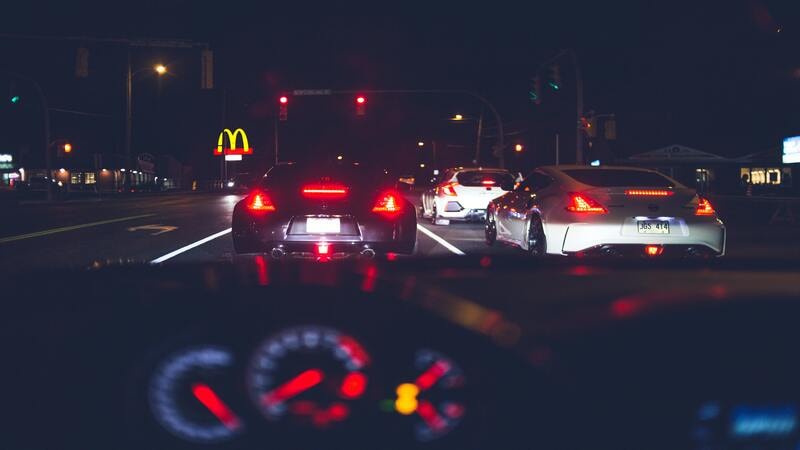
Brake Lights Not Working, But Tail Lights Are?
Why this happens: This is the most common issue we hear from drivers. If your tail lights (parking lights) turn on at night, but your brake lights remain dark when you hit the pedal, it’s likely not the fuse for the entire lighting system.
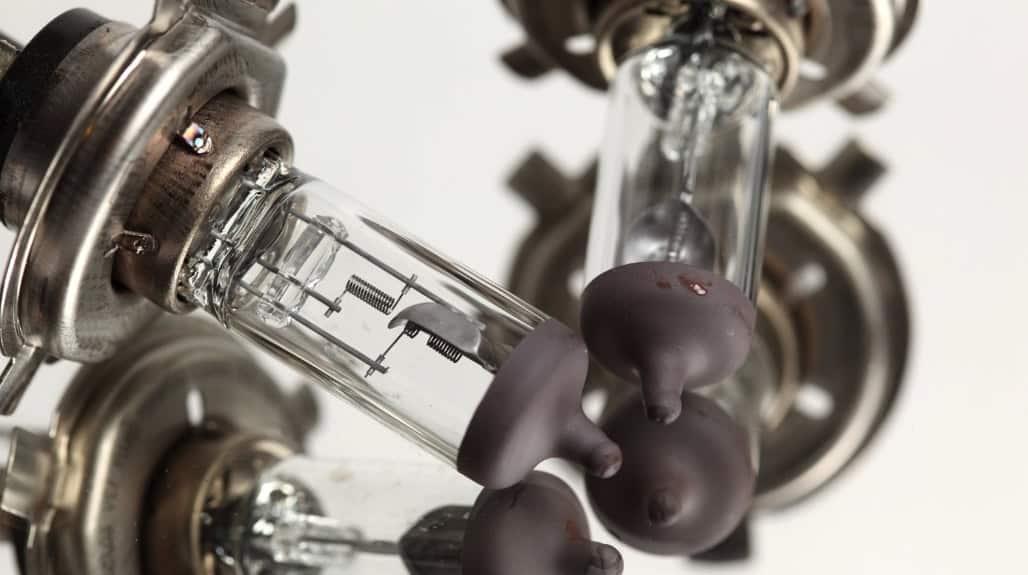
- The Dual-Filament Culprit: Most standard halogen bulbs have two filaments—one for the tail light and a thicker one for the brake light. One can burn out while the other stays perfect.
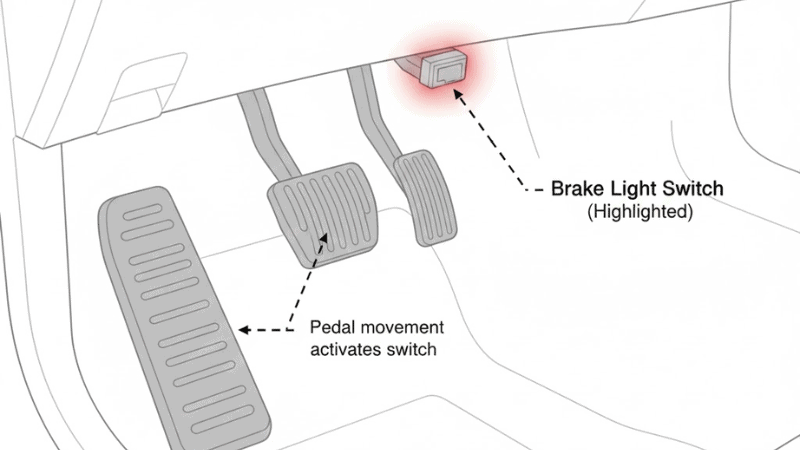
- The Brake Light Switch: Located under your dash near the brake pedal. If this switch fails, the car never “knows” you’ve pressed the pedal, so that it won’t trigger the brake lights.
- Specific Fuse for Brake Circuit: Some modern vehicles have separate fuses for “Park Lamps” and “Stop Lamps.” Check your manual for the STOP or BRK fuse specifically.
Quick Diagnostic Checklist: Is it the Fuse or Something Else?

| Symptom | Likely Cause | Action |
|---|---|---|
| Both brake lights are out | Blown Fuse or Brake Switch | Check Fuse First |
| Only one brake light is out | Burnt Bulb or Corroded Socket | Replace Bulb |
| Third (high-mount) light works, but sides don’t | Wiring issue or both bulbs out | Inspect Bulbs |
| Brake lights stay ON all the time | Broken brake pedal stopper | Replace Rubber Stopper |
Tail Light vs Brake Light: What’s the Difference?
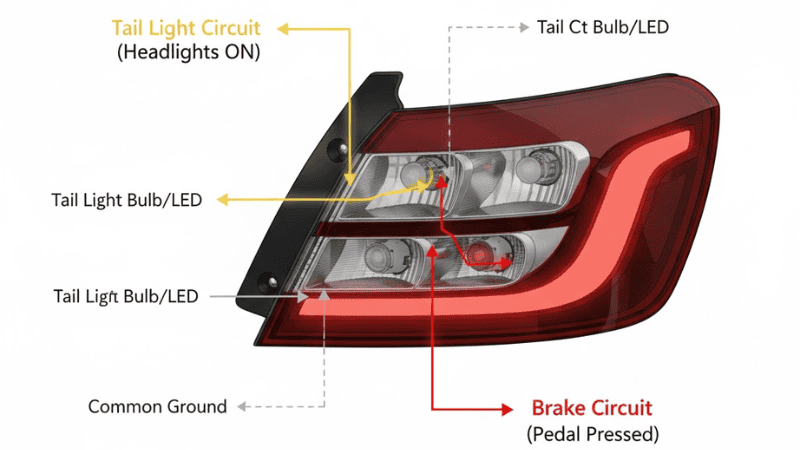
Tail lights and brake lights serve different purposes, even though they often share the same housing.
Tail lights (running lights) turn on when your headlights are on, while brake lights only illuminate when you press the brake pedal.
This difference explains common problems such as tail lights work, but no brake lights, running lights work but brake lights don’t, or brake lights work, but tail lights don’t.
Signs of a Blown Brake Light Fuse
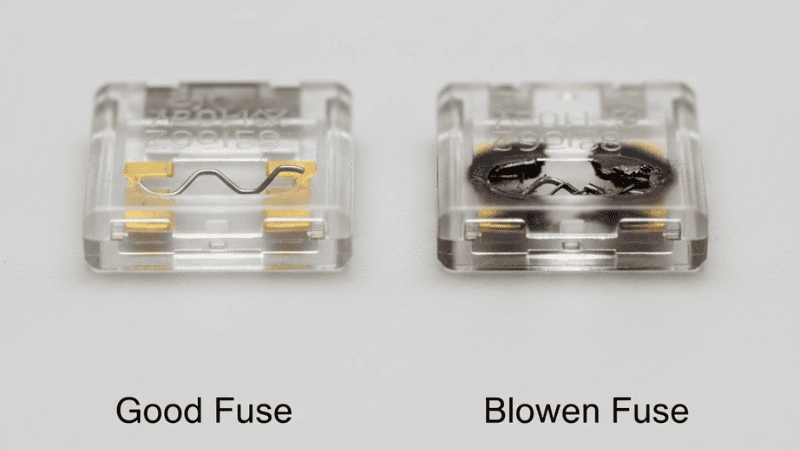
Whenever the brake light fuse blows, there will be signs for sure. The main indicator is non-operational brake lights. When you press the brake pedal, the lights don’t glow. The brake lights can go completely off due to a broken fuse.
Common signs include:
- Neither brake light is working
- Brake lights won’t turn on when braking
- Tail lights work, but no brake lights
- The third brake light is not working
When brake lights are not working, but tail lights are functioning properly, the issue is again most likely in the fuse box. Apart from these obvious signs, the car dashboard also indicates warning lights if your car is equipped with sensors. You may see a Brake Warning Light or an ABS Warning Light.
Frequent Causes of Brake Light Issues
If both brake lights go out at the same time, a blown fuse or brake light switch is far more likely than two failed bulbs.
Brake light issues are very troublesome and pose major safety risks. You need to be careful about faults in the taillights. Here are some common causes of brake light faults:
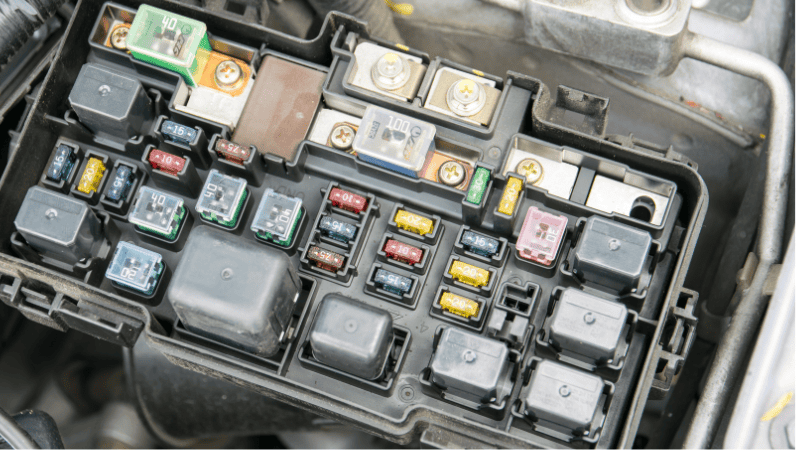
1. Blown Fuse
Fuses are very sensitive to overcurrents and blow away in no time to protect the brake lights. Any power surge or sudden inrush current in the electrical system can cause the fuse to blow right away. Since a blown fuse disconnects the light from the vehicle’s brake light circuit, it doesn’t operate.
2. Wiring Issues
Wiring issues can also cause brake lights to malfunction. Sometimes, the ground wire detaches, resulting in inoperative brake lights. Any wire damage can also limit the flow of current to the brake lights. Wire damage is uncommon, but you never know if a squirrel or mouse has broken into your car.
3. Damaged Brake Light Switch
The brake pedal is connected to a brake light switch that turns on the brake light bulb when you press the pedal. The switch can get loose and function improperly.
It can also degrade over time, leading to a flickering brake light bulb. Most commonly, the brake light switch disconnects due to a sudden shock or blow that hampers the taillights from working.
| Failure Type | Common Causes |
|---|---|
| Blown Fuse | Overcurrent, inrush current, short circuit, and overload |
| Wiring Issues | Corrosion, degradation, loose connections, and excess heating |
| Brake Switch Malfunction | Misaligned brake paddle, worn-out switch, and contacts |
Replace the Brake Light Fuse in 5 Steps
Replacing a fuse is no rocket science. Here are five easy steps that you can follow to replace the brake light fuse:
Step 1: Turn Off the Car
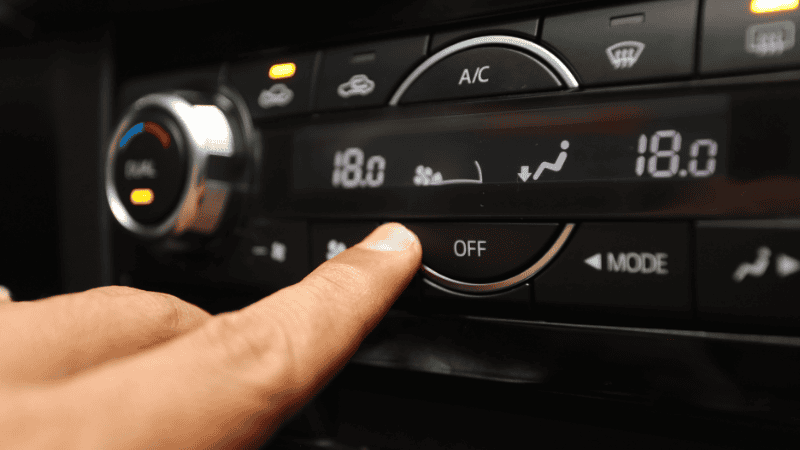
When interacting with electrical components, you must ensure your safety. Turn off the car engine and disconnect the battery. Be mindful of residual charges, and don’t touch the wires or fuses right away.
Step 2: Open the Fuse Box
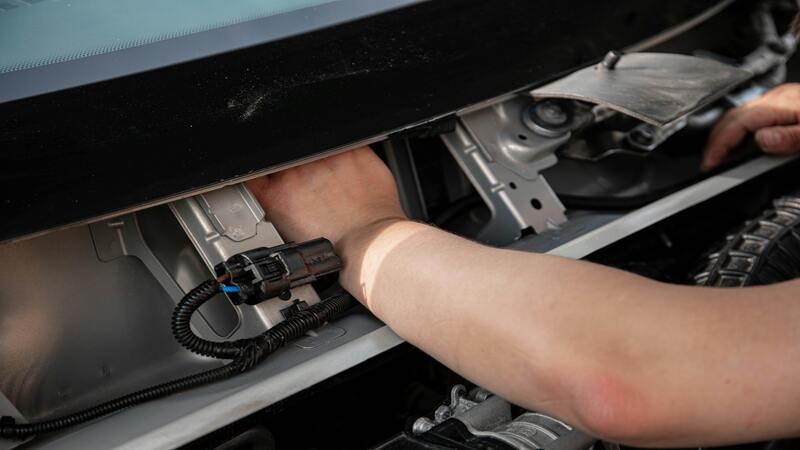
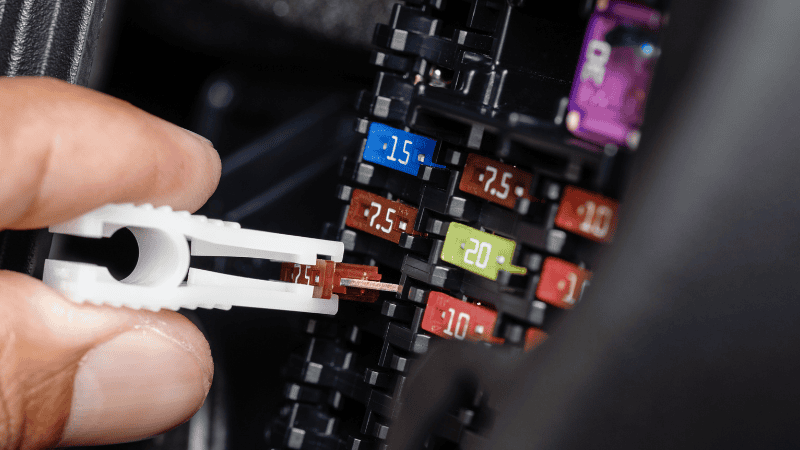
Open the fuse box and find the brake light label, or use the fuse diagram to locate the exact fuse. Make sure not to loosen any other fuses in the box. Eliminating one problem can lead to a new one.
Step 3: Inspect the Fuse
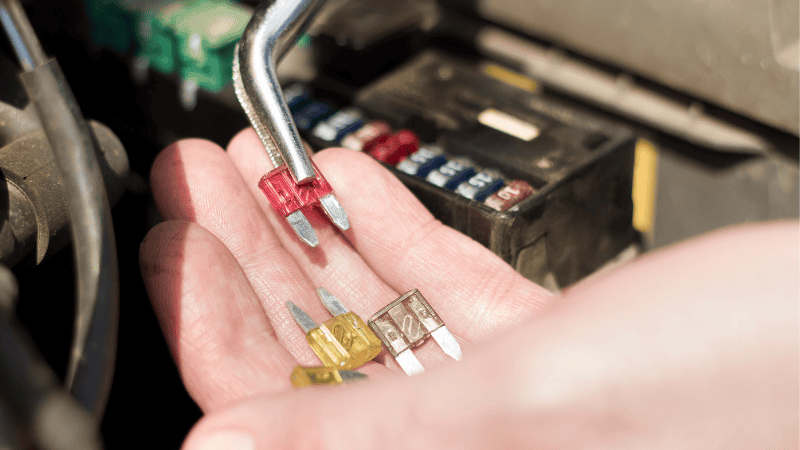
You can inspect the fuse to see if there are any burnt marks. The physical condition of the fuse will say it all. If the fuse appears fine, you should check the filament against a bright light. A broken filament means the fuse is blown.
Step 4: Replace the Fuse.
Once you’re sure that the fuse is blown, replace it with a new one. Make sure the amperage is the same without any variations. You can check the specifications of the fuse from the car manual. If you’re skeptical, get help from a professional.
Step 5: Test the Brake Lights
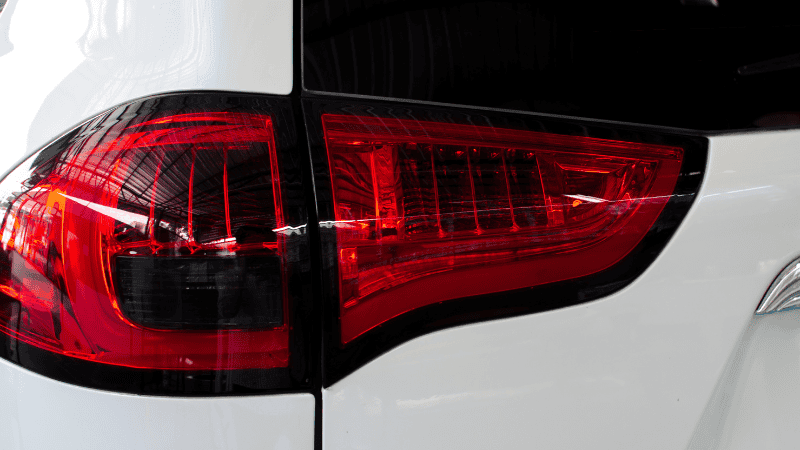
Finally, the test light was illuminated to see its functioning. Secure all fuses and ensure that none are loose. Close the fuse box and connect the battery again. Prepare to start the car for the final check and hit the brakes to turn on the lights. If the test light fails, reach out to an electrician.
If the brake lights still don’t work after replacing the fuse, the next step is to check the brake light switch near the brake pedal.
Locate the Brake Light Fuse in Your Car
Locating the fuse box in your car is no less than a treasure hunt if you’re doing it for the first time. Look at the right place, and you’ll find it quickly. The fuse box is usually placed below the dashboard of the car on the driver’s side. Or you may find the fuse box in the engine compartment, called the underhood fuse box.
Still finding it difficult to locate the fuse box? Check the car manual; it must have an illustration to locate the fuse box. You can also search online, ask peers or professionals, and get in touch with the manufacturer. The brake light fuse location is not a mystery!
Pro Tips for Maintenance of Brake Lights
Brake lights are normally maintenance-free and don’t require any specific maintenance schedule apart from regular cleaning. You need to check the brake light bulb for damage or wear, and also inspect the wiring.
The brake switch is subject to excessive wear due to continuous use. Try to keep it clean, as dust and debris often accumulate around it.
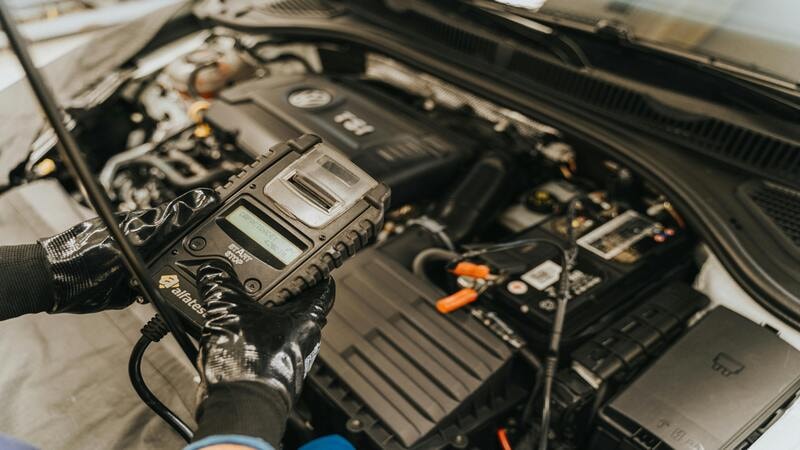
The fuse box sometimes gets corroded due to humidity or water ingress. It causes the fuse to malfunction and burn out.
You must ensure that the fuse box is corrosion-free and all fuses are well-secured and in good condition. If you encounter any issues during maintenance, go for replacement or repair immediately.
Pro Tip: Why You Should Upgrade to LEDs After a Blown Fuse
While fixing a fuse is a quick $5 fix, frequent fuse blows are often caused by excessive heat or power surges from old, inefficient halogen bulbs.
Why we recommend:
- Lower Power Draw: LEDs pull significantly less current, reducing the load on your vehicle’s electrical circuit and fuses.
- Faster Response: LEDs light up 0.2 seconds faster than halogens. At 60 mph, that gives the driver behind you an extra 17 feet of stopping distance.
- Plug-and-Play: Our LEDs are designed to fit perfectly into your existing fuse-protected sockets without flickering.
Conclusion
Ever experienced faulty brake lights? It can be a safety risk for you. We’ve discussed all the common issues related to faulty brake lights, especially brake light system fuse problems.
You can follow our expert guide to understand, diagnose, and troubleshoot the faults. It’s recommended to seek professional help if the issue is beyond comprehension.
Looking to replace your old brake lights? Carlightvision offers durable and long-lasting LED brake lights. Get a pair and forget about fuse issues or diffused bulbs.
If your brake lights are not working while driving, stop as soon as it is safe and fix the issue before continuing.
Don’t Wait for the Next Electrical Failure.
When your brake lights fail, you’re invisible to the drivers behind you.
As a global leader in automotive lighting for over 15 years, Carlightvision delivers LED technology that lights up 0.2 seconds faster than halogens—giving drivers behind you an extra 17 feet to stop. Our “Plug-and-Play” design ensures a perfect fit for your fuse-protected sockets, eliminating flickering and overheating.
Explore our exclusive product range and get in touch to experience the best customer service.
FAQs
Q1: Is there a fuse for the brake light?
Yes, every vehicle has a fuse for the brake lights. It protects the brake light bulb from excess current in case of electrical failure.
Q2: How do I know if my brake fuse is blown?
A physical inspection of the fuse can help you determine whether it’s blown or not. Check the filament inside the fuse; if it’s broken, the fuse has blown already.
Q3: What is a brake light switch?
A brake light switch is a trigger that is connected to the brake pedal. When you press the brake, the switch turns on the brake light bulb.
Q4: Can a bad brake light switch blow a fuse?
A: Yes. If the switch internally shorts out, it can pull too much current and snap the fuse instantly.
Q5: What size fuse do brake lights usually use?
A: Most passenger vehicles use a 10A (Red) or 15A (Blue) mini or ATO fuse. Never replace it with a higher-rated fuse (e.g., don’t use a 25A if it requires 15A), as this can melt your wiring.
Q6: Where is the brake light fuse located?
A: Check two places: the Interior Fuse Panel (usually under the driver-side dash or behind the glove box) and the Engine Bay Power Center.