Spotting a Check DRL System warning on a vehicle’s dashboard is pretty common. The DRL warning indicates that the vehicle’s Daytime Running Light system is not working properly.
Understanding the DRL’s meaning and how to diagnose and fix the DRL’s problem can help prevent visibility issues. Read this article to learn what DRL is, and how to fix DRL now:
What Does DRL Mean On a Car?
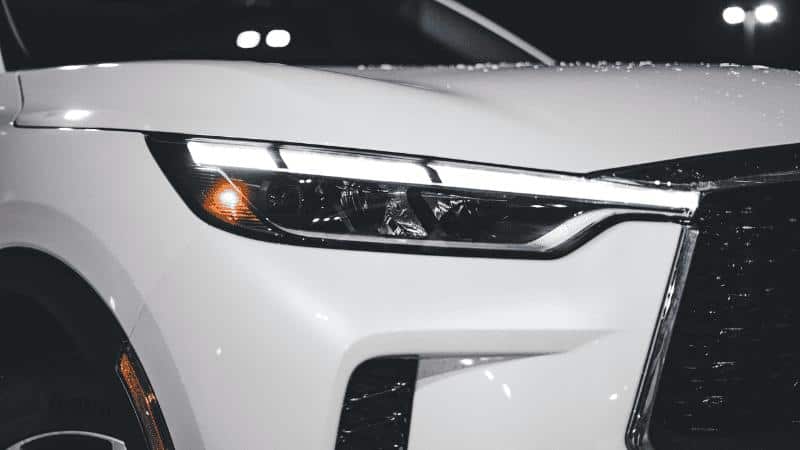
Daytime running lights are low-intensity lights attached to the front of a vehicle. These lights turn on when the engine is started. They do not illuminate the road ahead like headlights; instead, they make the vehicle more visible to other drivers during the daytime.
The main purpose of DRLs is to increase vehicle visibility. They help other road users detect the vehicle earlier, which helps reduce the risk of accidents during daytime driving.
How do the DRLs Work?
Daytime running lights are incorporated in the vehicle’s electrical and lighting system and are automatically controlled.
In modern cars, DRLs activate when the engine is turned on or when the parking brake is disengaged. The whole process of DRLs turning on is managed electrically without the driver having to interfere.
DRLs work along with an ambient light sensor. When the sensor detects low-light conditions, such as when the weather is dusky or when entering a tunnel, the system switches from DRLs to full headlights bulbs automatically. Also, the BCM (Body Control Module) manages the DRL circuit.
In halogen systems, the BCM sends reduced voltage to high-beam bulbs so they operate at low intensity during the daytime. The DRL system is made to work in collaboration with the vehicle lighting system while maintaining energy safety and efficiency.
DRL vs Headlights: The Critical Difference
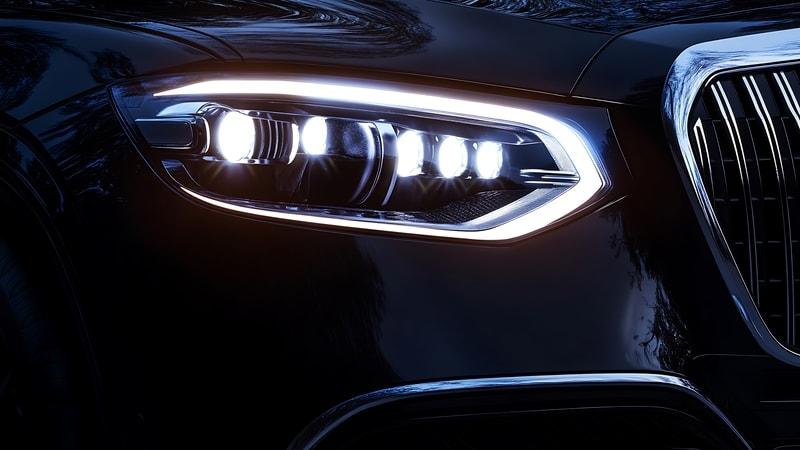
Many people confuse DRLs with headlights and consider them the same. It is essential to note that both headlights and DRLs are designed to serve different lighting needs.
Are DRLs the Same as Headlights?
DRLs and headlights serve different purposes. DRLs are designed to increase the visibility of the car to other road users during daylight, while headlights illuminate the road ahead at night or in low-light conditions.
When Should Each Light Be Used?
Unlike headlights, DRLs automatically turn on during daytime driving. Headlights, however, are used at night, in rain, fog, or in cases of reduced visibility. Remember never to use DRLs alone at night, as they do not activate taillights, which can contribute to accidents.
A table comparing DRL and headlights is given below to help procurement managers and facility managers in choosing the right type for their needs:
| Features | DRL | Headlights |
|---|---|---|
| Purpose | Make the car visible to others | Illuminate the road ahead |
| Activation | Automatic | Manual or automatic |
| Low-Intensity | Low | High |
| When Used | Daytime Driving | Night, rain, fog, in tunnels |
| Activates the tail lights | No | Yes |
| Safe to use alone at night | No | Yes |
| Energy Consumption | Low | High |
Why is the DRL System Important?
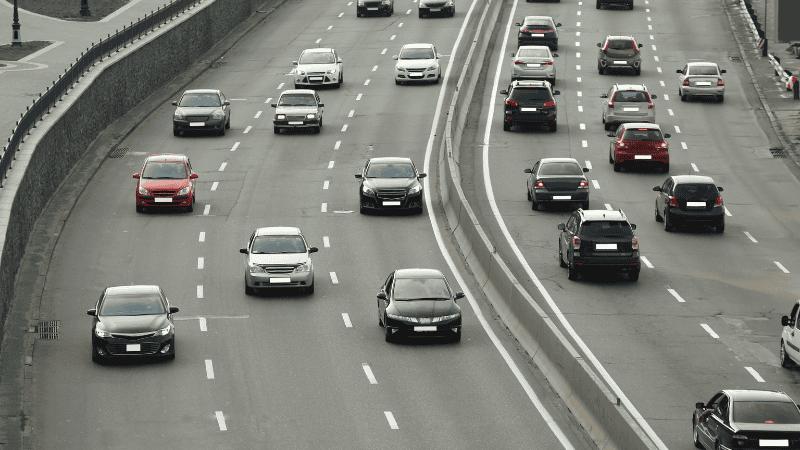
The importance of the DRL system cannot be underestimated. The reasons that make using the DRL system crucial include:
Safety Benefits
According to the National Highway Traffic Safety Administration (NHTSA), by enhancing daytime visibility, DRLs have contributed to reducing daytime multi-vehicle crash rates by up to 10%.
Adverse Weather Performance
Daytime running lights are useful in rain, fog, and tunnels, where it is difficult for drivers to detect other cars during daytime driving.
Global DRL Regulations
Many countries now require DRLs on new cars. Insurance providers also consider DRLs an important safety feature that can influence premium calculations. Daytime running lights (DRLs) were first mandated in Scandinavian countries
Is “Phantom Lighting” a Safety Risk?

Phantom lighting occurs when dashboard lights (DRLs) give the driver a false indication of illumination, making them believe the headlights are on when they are not. Phantom lighting is dangerous and can pose a serious safety threat.
Modern cars have bright, always-on dashboard lights. Drivers may assume that because the dashboard is illuminated, the headlights are on as well. This false assumption can lead to unsafe driving conditions, especially at night or in low-light environments.
Recognising the phantom lighting risk can help prevent accidents and save lives. Many nighttime rear-end accidents involve vehicles without taillights. Many drivers think that DRLs provide full headlight coverage, whereas they only increase front visibility during daytime driving.
What Does the DRL Dash Light Mean?
The DRL dash light is an indicator on a vehicle’s dashboard that shows the status of the daytime running lights. Understanding what the DRL dashboard light means helps vehicle owners determine whether their DRLs are working properly.
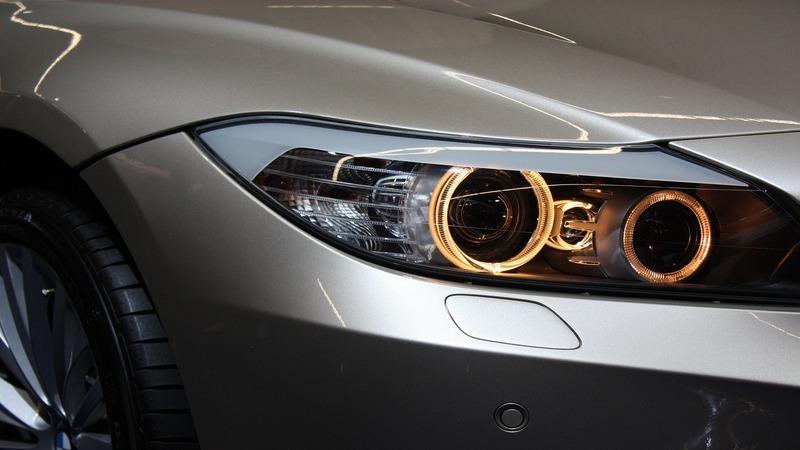
During normal operation, the DRL indicator may light up briefly when the engine is turned on, indicating that the system is active. In many cars, the light turns off once the DRLs are operating correctly. If the indicator behaves normally, it means the daytime running lights are functioning properly.
A flashing or constant DRL warning light on the dashboard indicates a problem with the DRL system. Common causes of a flashing or constant DRL warning light include:
- Burned-out or disconnected DRL bulbs
- Faulty fuses
- Wiring issues
- Malfunctioning Body Control Module (BCM)
- LED compatibility issues in the case of aftermarket bulbs
It is important to inspect and fix DRL vehicle lights issues quickly to avoid accidents and ensure your vehicle remains visible to other drivers.
What are the common types of daytime running lamps?
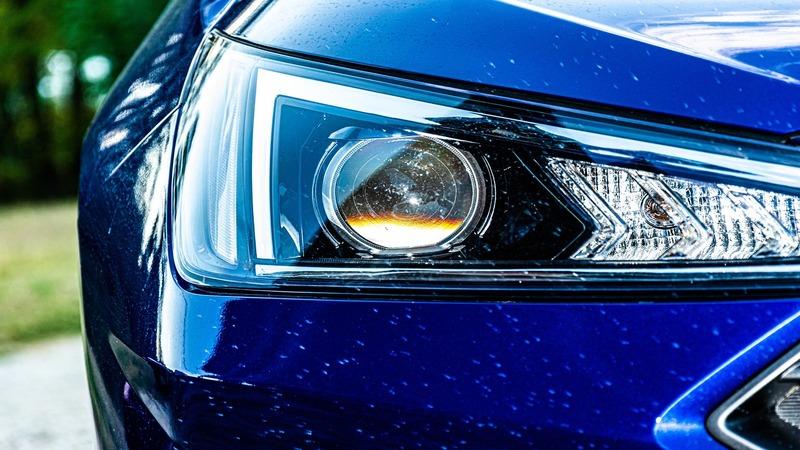
There are two main types of DRL in cars: halogen and LED DRLs.
Halogen DRLs
Halogen DRLs are typically found in older vehicles. They use standard halogen bulbs but operate at a lower voltage to function as daytime running lights. This system is simple and inexpensive, but it consumes more energy.
LED DRLs
In contrast, LED DRLs are common in modern vehicles. They are more energy-efficient and provide brighter illumination. LED DRLs are often integrated into the vehicle’s design, making it easier to recognise the vehicle’s model from a distance.
Why Does My LED Upgrade Show Errors?
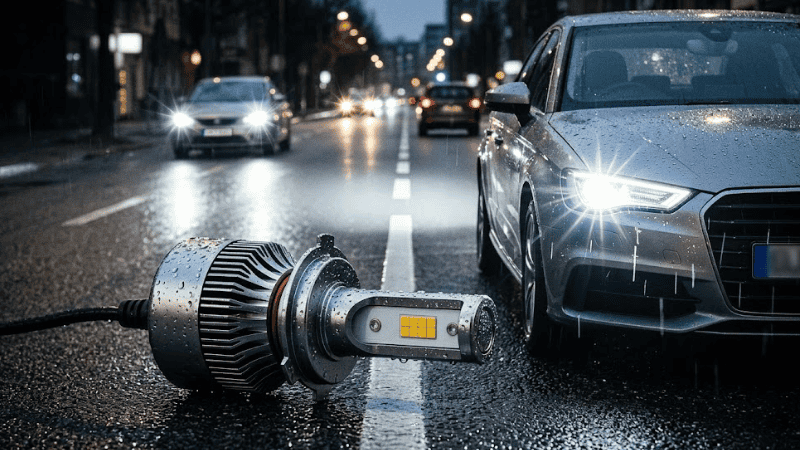
There are several reasons to explain why upgrading to LED DRLs can cause errors, but the most common one is BCM (Body Control Module) incompatibility. In many modern cars, the BCM monitors the bulb’s current.
Since LED bulbs use less power than halogen bulbs, the system may think a bulb is out, triggering DRL or “bulb out” warnings on the dashboard. To fix this, drivers can install resistors or CAN bus decoders. These devices indicate the normal power consumption, thus preventing dashboard errors.
How to Diagnose DRL Failures?
Some of the common symptoms that will help you diagnose DRL failures include:
- Flickering DRL lights
- One side of the DRL or DRL sensor is not working,
- DRL is staying on continuously
- Dashboard DRL warning message
The potential reasons for DRL failure include:
- Burned-out Bulbs
- Blown Fuse
- Faulty Relays
- Damaged Wiring
- Malfunctioning BCM
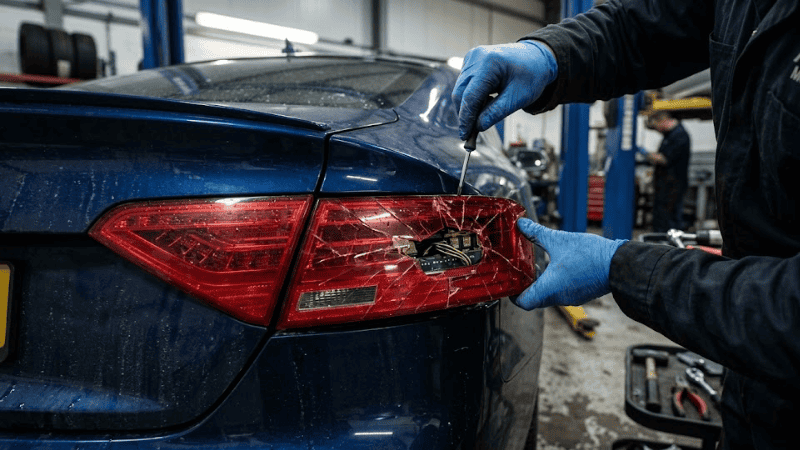
How to Replace Your DRL Bulbs?
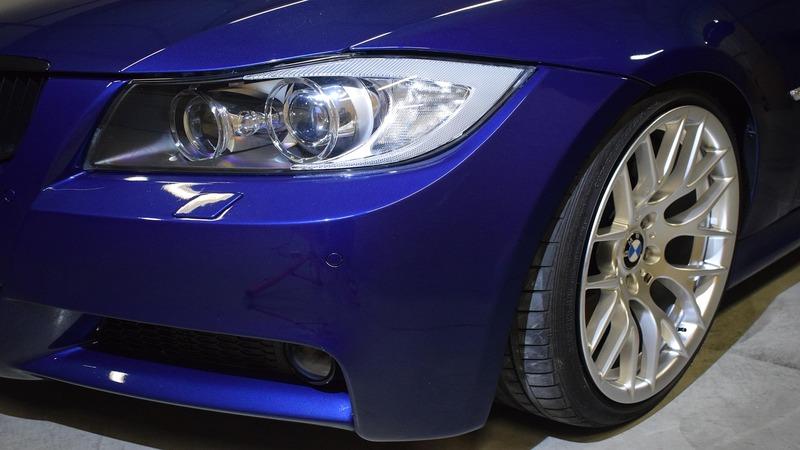
To replace DRL bulbs safely, auto repair shop owners need to follow the following safety guidelines:
- Turn off the engine.
- Disconnect the battery.
- Wear gloves to protect both the bulbs and your hands.
Next, choose a bulb that meets DOT safety standards and original equipment specifications. Make sure to select a reliable brand for durability and safety. Many modern vehicles use H11 headlight bulbs as daytime running lights.
Once you have found the correct bulb, follow these steps to replace the daytime running lights safely:
1. Open the hood and locate the headlight housing.
2. Locate the daytime running lamps bulb socket.
3. Rotate the socket counterclockwise and remove it.
4. Disconnect the old daytime running lamps and install the new ones carefully.
5. Test the light, and once satisfied, close the housing.
If you replace the daytime running lamps yourself, it will cost around $20 to $80. However, if hiring a professional, the cost to replace the DRL may range between $50 and $150, depending on the vehicle design.
FAQs
1. What does DRL in Honda mean?
Similar to other vehicles, DRL in Honda stands for Daytime Running Lights. These lights automatically turn on when the engine is running to make the car more visible during daytime driving.
2. What is a DRL system in your car?
A daytime running lights system is an automatic lighting feature that turns on in low-light conditions to improve visibility and reduce the risk of daytime accidents.
3. Is it safe to drive with the DRL light on?
Yes, if the dashboard shows normal operation, it is safe to drive with daytime running lights on. However, if the DRL warning is flashing or stays on constantly, there may be a problem that needs to be fixed quickly.
4. Why does my Honda Civic say check DRL system?
When a Honda Civic displays “Check DRL System,” it indicates a possible issue with the DRLs, such as burned-out bulbs, blown fuses, wiring problems, or a faulty Body Control Module (BCM).
5. What is a check DRL system light?
It is a dashboard warning that warns drivers that the DRL system is not working properly and requires inspection or maintenance.
6. Do DRLs drain a car battery?
DRLs use very little power and only operate when the engine is running, so they do not have any impact on the car’s battery life.
Final Verdict
To sum up, we can say that the DRL system helps prevent road accidents during the daytime by improving vehicle visibility. It is important to note that daytime running lights enhance safety, but they should not be used alone at night, as this can contribute to accidents.
Finally, when upgrading DRL bulbs, always choose a reliable supplier to ensure long-lasting performance and safety.
Carlight Vision: Your Trusted Automotive Light Manufacturer
At CarLight Vision, we have over 15 years of experience in providing fast and high-quality automotive lighting solutions to our customers. Whether you need plug-and-play LED headlights, D-series LED headlight bulbs, 360 LED headlight bulbs, or BI-LED headlights, we have everything to help grow your business.
Contact us today and get all your queries regarding automotive lighting answered.