Have you ever noticed that some cars have lights that turn on automatically even in bright daylight? Those are daytime running lights, or DRLs, which help make your vehicle easier to see during the day. Today, most new cars come with DRLs as standard because they provide extra safety without requiring the driver to do anything.
What are Daytime Running Lights (DRL)?
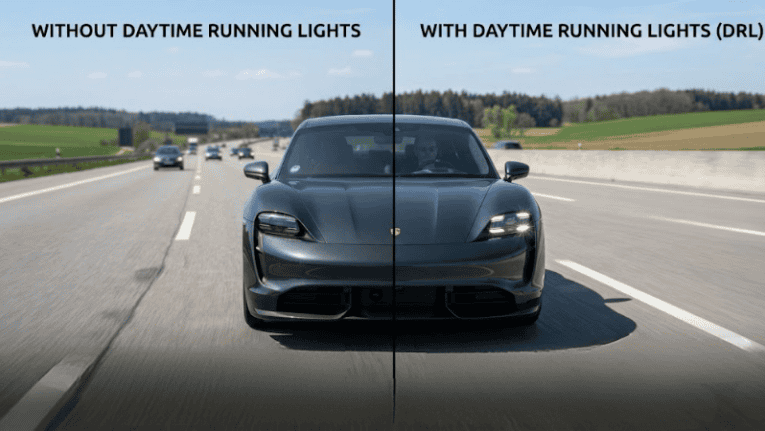
Daytime running lights are low-intensity lights that are placed at the front of a vehicle, and they remain on at all times as long as the car is in operation during the day. Daytime running lights are a safety feature fitted to modern cars that ensure your car is seen by others during the day without requiring any manual adjustments.
When the engine starts and when the headlights are on, they switch on, and when the engine stops, they switch off or dim. DRLs are provided to ensure the vehicle is visible to other drivers, pedestrians, and cyclists.
They are usually white or amber and professionally set to be seen in bright situations without blinding oncoming traffic. DRLs may be small, but their effect on road safety is measurable, and their use is legally mandatory in most countries.
What Does the DRL Light Mean in a Car?
DRL, meaning on the dash, means either of two things. A continuous green light indicates that the system is operating as usual. An amber warning or a “Check DRL System” definition daytime running lights message indicates that there is something wrong, typically a burnt bulb, a blown fuse, or something wrong with the control module.
Do not neglect the warning signal; even a minor malfunction reduces your car’s visibility to other vehicles during the daytime. If this warning appears, check the bulbs and fuses, or have the lighting system checked by a professional.
How Do Daytime Running Lights Work?
Learning about the way DRLs work will teach you how to detect issues in time, as well as why they do not act in the same way as your considered headlight bulbs.
How the DRL System Operates
The ECU of the vehicle or a special DRL module takes control of the DRLs. The system will automatically switch on when you turn on the engine and release the parking brake. Other cars use a lower wattage of their regular headlights on DRLs. Newer cars can have dedicated LED strips that consume a small amount of power and are designed for daytime, always-on applications.
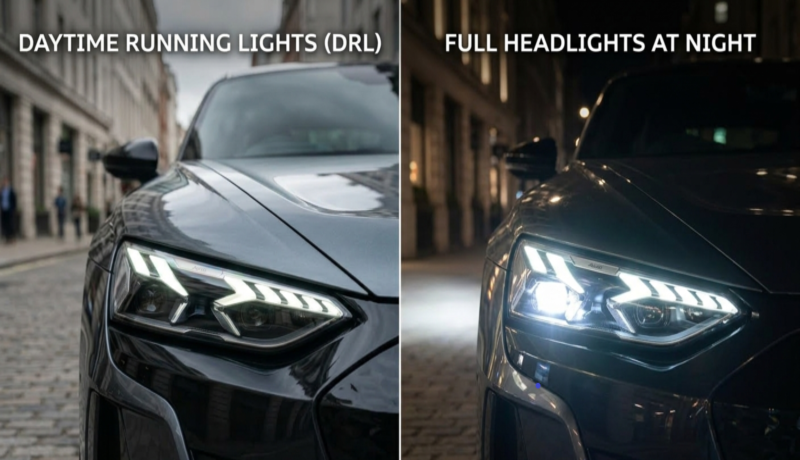
DRL Lights vs Headlights
When the road is in low-light settings, a driver has headlights that brighten the road. During the daytime, DRLs render the vehicle visible to others. DRLs operate at a reduced power level and require less power besides activating the front lights. Headlights also activate the taillights and dashboard lights. DRLs on most cars automatically deactivate or dim to the bare minimum brightness when the headlights are activated.
Types of Daytime Running Lights
Not every DRL is constructed the same way. The DRLs required many different variations, depending on the age, make, and level of trim applied to the vehicle.
1. Low-energy headlights
There are vehicles that use the existing headlights of low beams as part of the DRL, but operate at a lower voltage to reduce fuel consumption without compromising visibility.
2. Fog lamps/light DRLs
Most vehicles that have front fog lights occasionally have them programmed into DRLs. Daytime running lamps are set low on the bumper and emit a broad, horizontal beam.
3. Exclusive LED DRLs
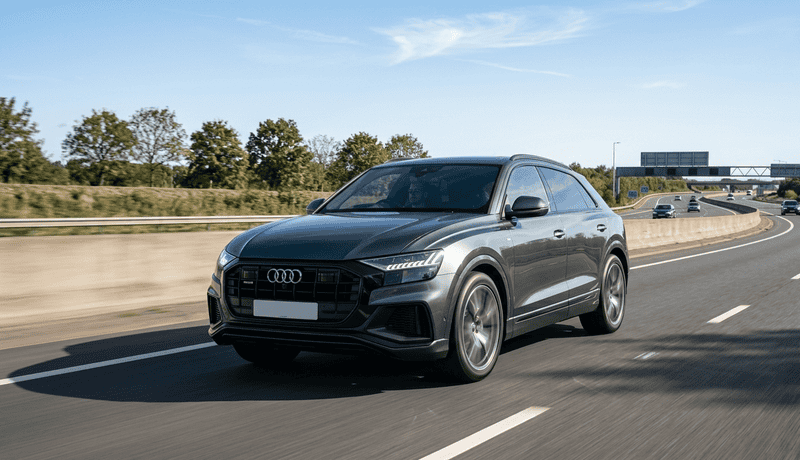
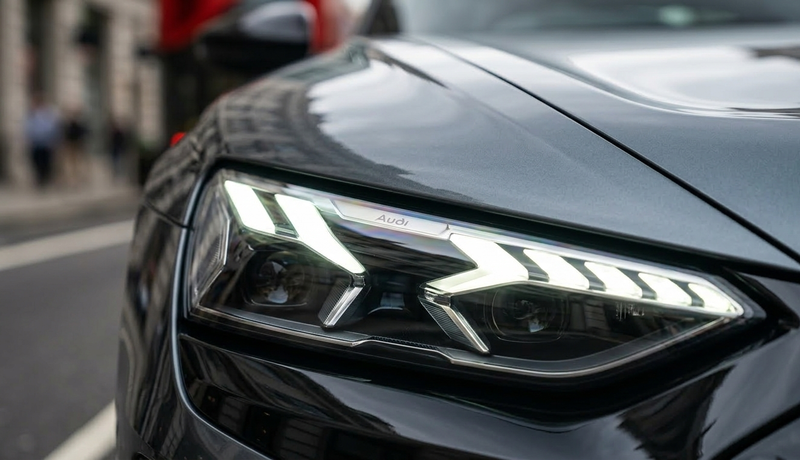
The most widespread of the present-day vehicles. Specialized LED strips and LED clusters built into the front fascia have high durability, low energy consumption, and a unique visual appearance.
4. Aftermarket-based DRL systems
Older cars that did not have factory-installed DRLs. They are connected to the ignition circuit and turn on when the engine starts. The quality and road legality depend on the product.
Benefits of Using Daytime Running Lights
DRLs are not a regulatory box. They provide practical benefits in reality that can help not only everyday drivers but also fleet operators.
- DRLs improve visibility. A car with a light bulb is more visible in changing light, early in the morning, with misty, heavy glares. Mostly helpful on highways and rural roads where a very quick reaction time is needed.
- They reduce accidents. Several studies at the country level indicate that the reduction in the number of multi-vehicle collisions in the daytime following the implementation of DRLs has a measurable change. This data was one of the reasons why the EU demanded DRLs on every new vehicle.
- They increase your headlamp’s life. Daytime visibility has dedicated LEDs; hence, daytime headlight bulbs are less consumed and have a longer life.
- They can be quite attractive. DRL patterns are a brand signature amongst automakers. The unique designs of the light strip by different makers have now become easily identifiable.
Why Is the DRL Light On in Your Car?
A DRL warning indicator indicates a particular system failure. Four of these causes have a different fix.
Burned-Out DRL Bulb
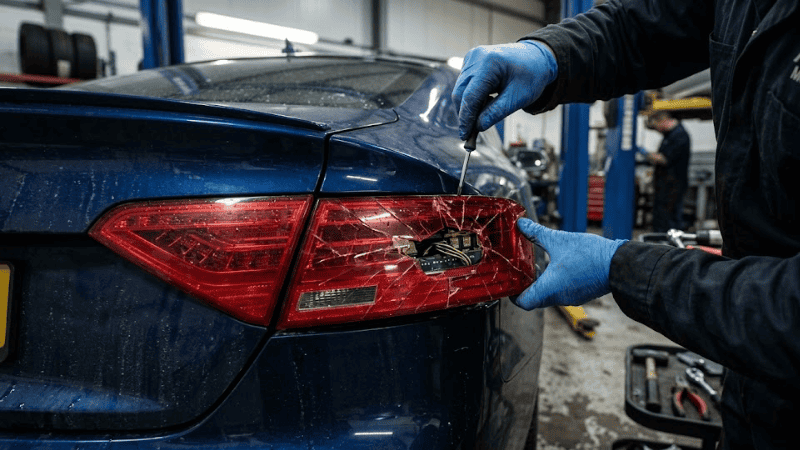
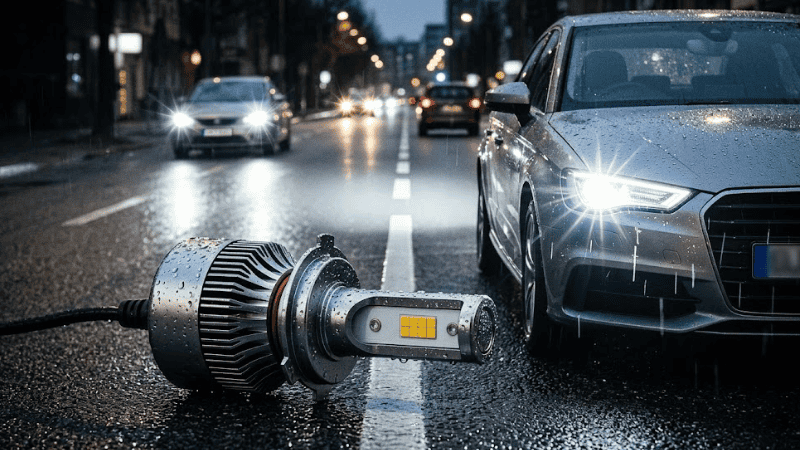
The most common cause. When one of the DRLs is dark and the other is on, chances are high that the bulb will fail. It will be confirmed through visual inspection or OBD-II scan. In halogen systems, it is solved by changing the bulb. In LED systems, the whole assembly can be required to be replaced as single LEDs are not always serviceable.
Blown DRL Fuse
Some fuse is connected to the DRL circuit. It can blow during a power surge or short circuit, disable the entire system, and activate the warning. Locate the fuse in your owner’s manual, pull the DRL fuse, and examine it with your eyes.
Change it with a fuse of proper amperage. When the new fuse immediately blows, then there is faultiness in the circuit of a more significant nature.
DRL Wiring or Relay Problems
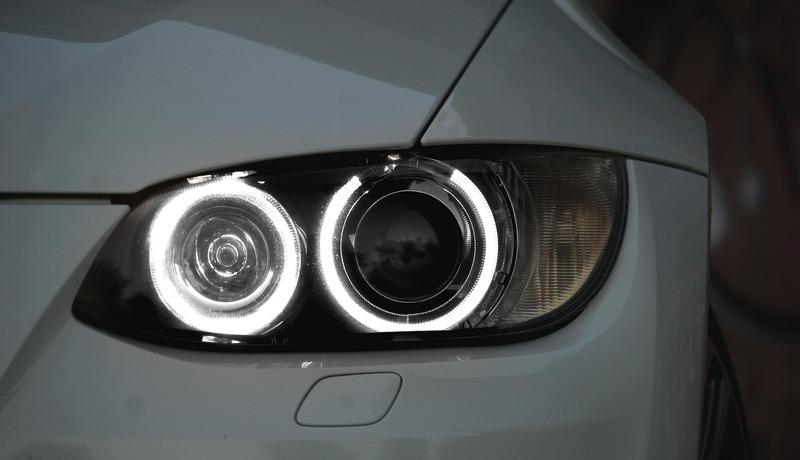
A broken wire, corroded connector, or broken relay may short the circuit when neither the bulb nor the fuse is defective. Typical in older cars whose insulation is worn out or in locations prone to moisture. To isolate the fault, use a multimeter to test continuity and voltage across the DRL circuit.
Faulty DRL Control Module
A control module or an ambient light sensor is used to control the DRL in modern vehicles. In case of failure, the system will be unable to activate and switch off the lights in the proper sequence, and a warning to check the DRL System is shown.
Failure of the modules is uncommon compared to the bulb or fuse issues, but it is expensive to service. Replacement usually involves programming compatible with the vehicle’s ECU.
How to Fix the DRL Light
Fixing a DRL fault follows a logical flow, starting simple before moving to the complex. Most issues are solved early in the process.
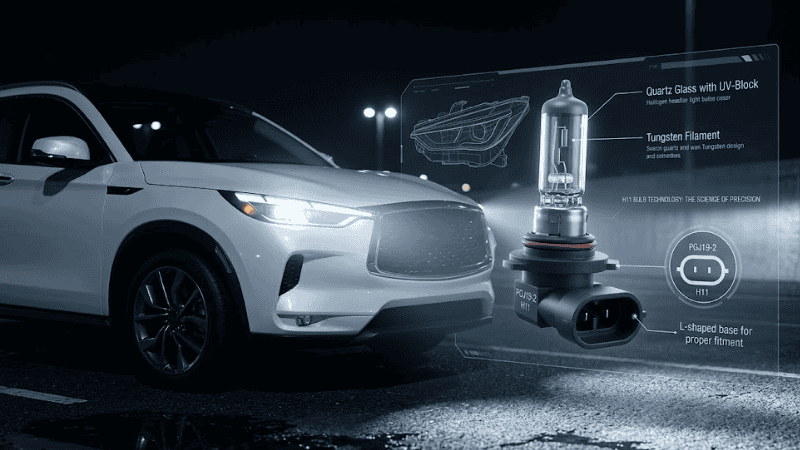
- Replacement: Halogen bulbs are easy to swap, but verify the model for LED replacements. If the DRL module is faulty, replace it with a vehicle-specific OEM or quality part.
- Initial Diagnosis: Inspect which lights are out and use an OBD-II scanner to read fault codes. If no codes exist, the issue is likely a sensor or intermittent fault.
- Electrical Check: Inspect the DRL fuse for damage and the headlight connectors for corrosion. Measure the voltage at the connector with the engine running.
Is it Safe Driving with the DRL Light On?
It depends on what was the cause of the warning, whether one should continue driving or not. In others, it is little trouble; in others, you must stop and inquire before proceeding.
When the DRL Warning Is Harmless
When a single bulb is faulty, then your headlights and all other lights are still operational. Short-term driving is usually alright, but have it repaired as soon as possible. A single dark DRL makes you much less visible to other road users, and you may be caught for an infringement in places where DRLs are illegal.
When the DRL System Needs Repair
When the DRL fault is also influencing the behavior of the headlights, which are flickering or not turning on, or remaining open when they are not, pull over and have the vehicle checked before continuing to drive it. The failure of a DRL module can cause other lighting circuits to be interfered with and may be a sign of an electrical fault in general.
Daytime Running Lights (DRLs) are unsafe for night driving because they neither illuminate the road ahead nor activate rear tail lights, increasing the risk of rear-end collisions.
Daytime Running Lights (DRL): Global Laws and Regulations
DRL requirements vary significantly by region. Understanding these rules ensures legal compliance and explains why vehicle lighting designs differ globally.

Regional Requirements
- European Union: Mandatory for all new passenger cars since January 2011.
- Canada: Mandatory on all vehicles since 1990.
- United States: Permitted but not federally required; most automakers include them voluntarily.
- Other regions, such as Australia, Scandinavia, and parts of South America, enforce varying levels of stringency.
Compliance Standards
In jurisdictions where DRLs are required, they must meet specific technical criteria:
- Specifications: Rules govern minimum brightness, beam angle, mounting location, and color (restricted to white or amber).
- Aftermarket Kits: Must conform to local standards to be road-legal.
- Enforcement: Non-compliant lighting can result in fines or a vehicle being ordered off the road during inspections.
Recommendation: Always verify that a DRL kit meets local regulations before installation to ensure it is “road-legal.”
Conclusion
Daytime running lights are a cheap, straightforward feature that can provide a real safety payoff. They enhance visibility, reduce chances of collision, and some have become a legal mandate in large markets.
Once the DRL warning is activated, one can normally make the fix within a few minutes, such as a bulb, fuse, or wiring repair. Check it quickly, remain visible, and ensure your vehicle complies.
Your Fleet Visibility Starts With Carligtvision!
At Carlightvision, we specialize in automotive lighting solutions, including OEM-grade DRL bulbs, LED assemblies, and replacement modules for all major vehicle makes. Whether you’re maintaining a single car or managing a commercial fleet, don’t let a faulty DRL become a compliance or safety issue.
Browse our DRL parts catalog or get in touch with our team to find the right fit for your vehicle today.