Are your car headlights road-legal? This blog covers everything about headlight laws in the US. You can find out if your car’s headlights are legal.
If you get pulled over, fail inspection, or cause an accident, you’ll wish you knew the rules. This article tells you:
- What FMVSS 108 and DOT compliance actually require from your headlights
- Which modifications are always illegal, and why “plug‑and‑play” LED kits almost never are
- How to buy truly road‑legal headlights, without wasting money or risking a ticket
Of course, you wouldn’t like to get handed a ticket for illegal headlights. Understand the compliance standards from FMVSS and DOT to buy the correct headlamps. Let’s explore more!
What are Headlight Laws and How Can They Affect You
Headlights are a crucial component of your car that directly impacts driving safety. The right type of headlights helps ensure clear visibility in low-light conditions for a safe driving experience.
Any flaw in the car’s lighting system can put you and other drivers at risk of accidents. It’s the reason headlight laws are made strict, and non-compliance leads to serious action.
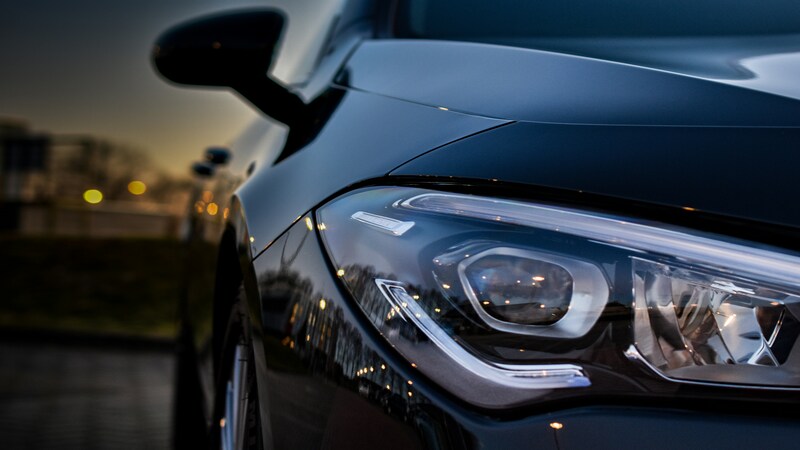
There are also specific rules for drivers to comply with when installing and using headlights on public roads. The rules include guidelines on what type of headlights are road-legal, i.e., HIDs, Halogen Bulbs, and LEDs. Besides that, there are restrictions on changing headlights to aftermarket options or getting them tinted. All of these regulations pertaining to headlights impact the drivers.
In most states, a headlight violation is a primary offense – police can stop you just for that. You could face:
- Fines: typically $100–$200
- Failed inspection → can’t renew registration
- Automatic fault if your glare causes a crash
- Higher insurance scrutiny
- License points, or even impoundment, for repeat offenses
Real example: Virginia law says if your housing is marked for halogen, you must use halogen. Converting to LED or HID is illegal and will fail inspection. California, New York, Texas, and Florida actively enforce anti‑glare laws.
Don’t learn this the hard way.
Headlight Laws in the US.
Headlight laws in the US are implemented by federal and state regulatory bodies. Here are the key regulations that you should comply with to avoid inconvenience on public roads. These laws are designed for your and others’ safety.
1. FMVSS (Federal Motor Vehicle Safety Standards) Section 571.
The FMVSS are regulations for design, development, performance, and durability requirements for automobiles in the US. Section 108 of FMVSS specifically outlines regulations for lamps, reflective devices, and associated equipment. It covers headlight brightness, beam patterns, angle alignment, and durability.
2. DOT: What That “DOT” Mark Really Means
DOT (Department of Transportation) acts as a regulatory body that ensures compliance with FMVSS 108 standards. They are responsible for the inspection of vehicles for their on-road safety. The manufacturers are instructed to mark their headlights DOT-compliant for use on the US roads. If your headlights are not DOT-compliant, you can’t drive with them.
3. NHTSA (National Highway Traffic Safety Administration) Regulations
NHTSA (National Highway Traffic Safety Administration) is an enforcement agency that checks and regulates the sale of headlights in the US. NHTSA enforces the rules. They regulate sales, monitor new tech (like Adaptive Driving Beam), and order recalls. Good news: as of 2022, ADB headlights – which automatically dim around other cars – are finally allowed in the US.
What Are DOT-Approved LED Headlights
There’s been a huge buzz around DOT-approved LED headlights. DOT is an acronym for “Department of Transportation,” which ensures compliance with Federal Motor Vehicle Safety Standards Subsection 108 (a federal law stating guidelines for car headlights).
The headlights you’re using in your car must be DOT-approved, which means they comply with FMVSS 108.
But remember three things:
- DOT itself never tested it.
- The manufacturer is legally responsible – until NHTSA says otherwise.
- You get the ticket if it’s actually non‑compliant.
Where do LED headlights stand in 2026?
Federal law remains clear: aftermarket LED replacement bulbs in a halogen housing are not legal.
Why? Your halogen housing was designed for a specific filament position. Drop an LED bulb in, and the light source moves. That gives you:
- A scattered, useless beam
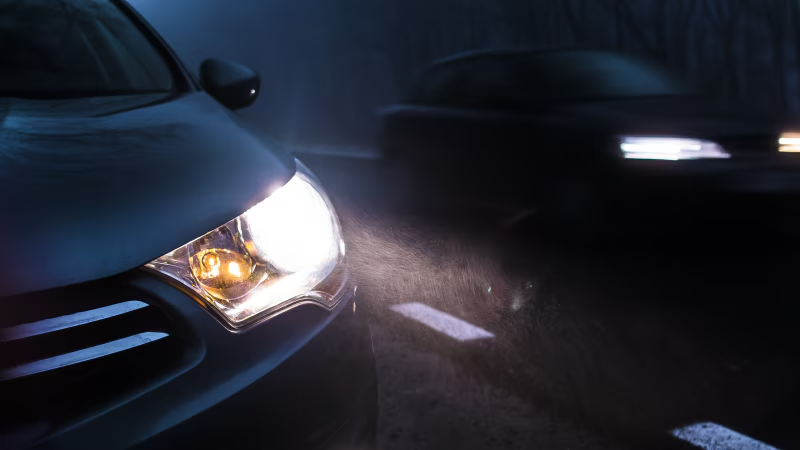
- Glare that blinds oncoming drivers
- Automatic failure of any photometric inspection
So what can you legally do?
- Keep your factory halogens – always legal
- Replace the entire headlamp assembly with a DOT‑certified LED unit for your specific car – legal
- Drive a factory‑LED car – legal
- Swap only the bulb in your halogen housing – not legal, and many states will ticket you
Difference between Aftermarket LED Bulbs and OEM Headlights
Understanding the difference between aftermarket LED bulbs and OEM (Original Equipment Manufacturer) headlights is critical. You can’t use aftermarket LED bulbs unless they’re DOT-approved. Here’s how you can identify OEM headlights:
What are OEM Headlights?
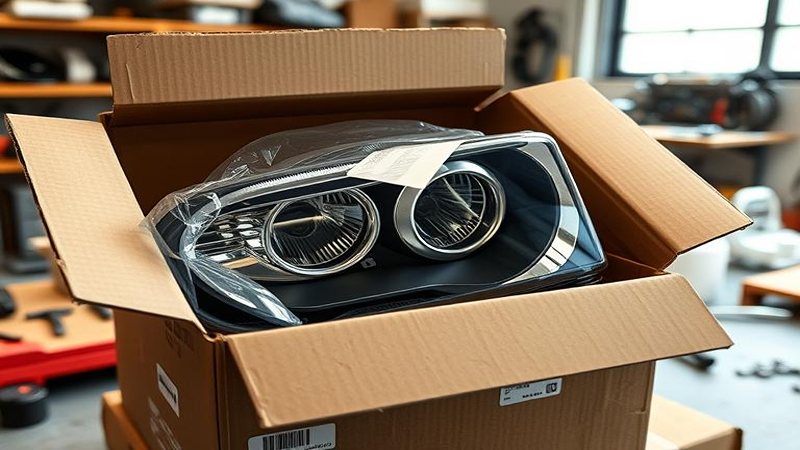
Original Equipment Manufacturer (OEM) headlights are the headlights that the manufacturer installed in your car.
In case your car’s headlights are damaged, you can’t just buy any headlights from the market; you need to get the same headlights from the manufacturer. The reason is to avoid compatibility issues and meet regulatory standards.
What are Aftermarket Headlights?
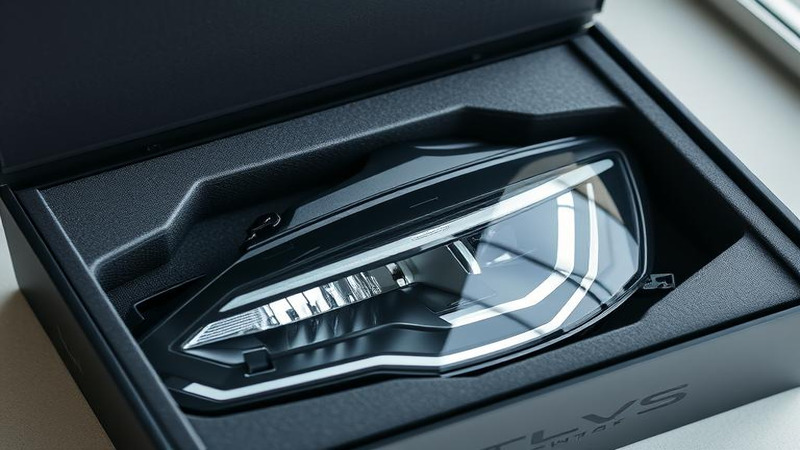
Aftermarket headlights are manufactured by third-party manufacturers apart from the ones that originally manufactured your car.
It’s like getting a random mobile charger for your iPhone from any retailer. Aftermarket headlights can have performance and legality issues. They may not comply with headlight laws or have substandard quality.
Regulations on High Beams, Low Beams, and Fog Lights
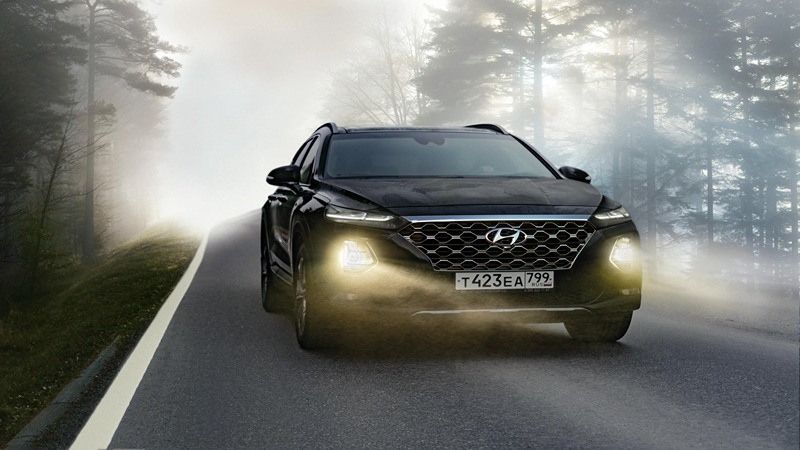
There are specific regulations on brightness limits and beam patterns of high-beam & low-beam headlights, and fog lights. Let’s explore:
| Light type | Color | Mounting height | What you must do |
|---|---|---|---|
| Low beam | White | 22–54 in | Must have 2, aimable, 150 ft illumination |
| High beam | White | 22–54 in | Dim within 500 ft of oncoming cars, 300 ft when following |
| Fog light | White or yellow | Below low beams | Use only with low beams – not a headlight substitute |
Legal Guidelines on Headlight Hues and Shades
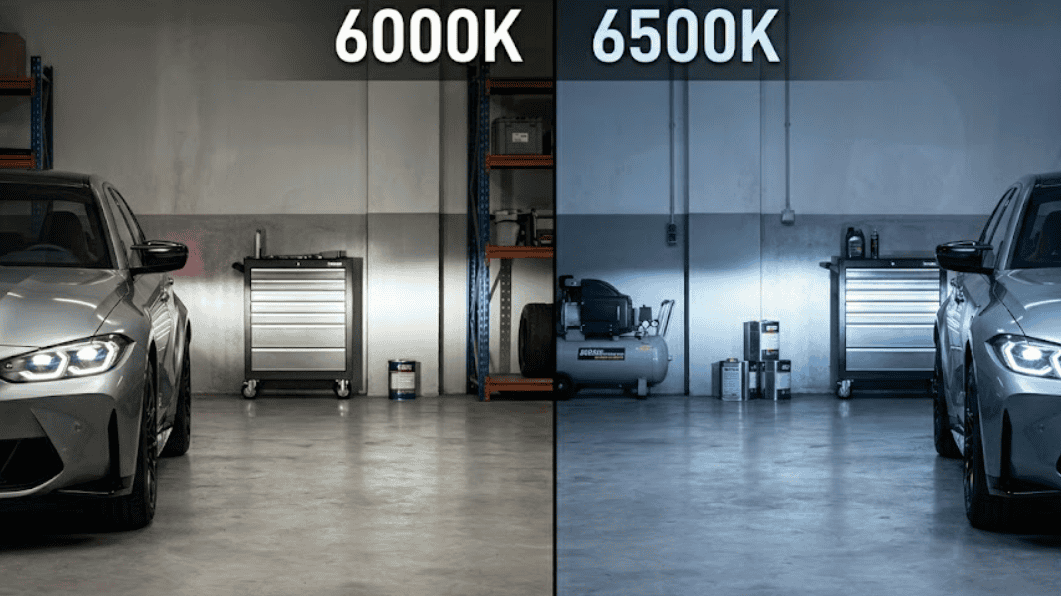
The FMVSS 108 has determined a color temperature range for headlights; any shade within the range is legal. Your car headlight temperature should be within the 2500K to 6000K range. The output within this range falls into three color categories: yellow, amber, and white. If the headlight temperature exceeds the 6000K limit, it will be illegal to use.
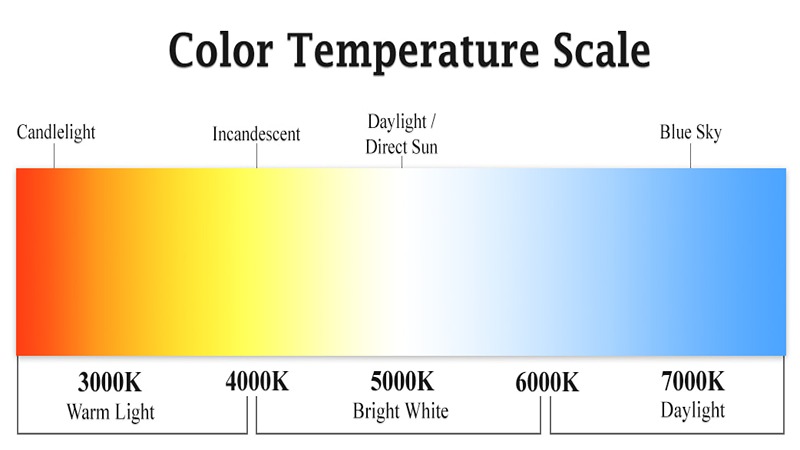
These headlight colors provide good visibility and don’t affect human vision. Color temperatures above 6000K tend to produce more glare that can blind oncoming traffic.
Most people prefer a color temperature above 6000K due to the bluish effect in the light that looks aesthetically pleasing. However, it’s illegal and can get you pulled over.
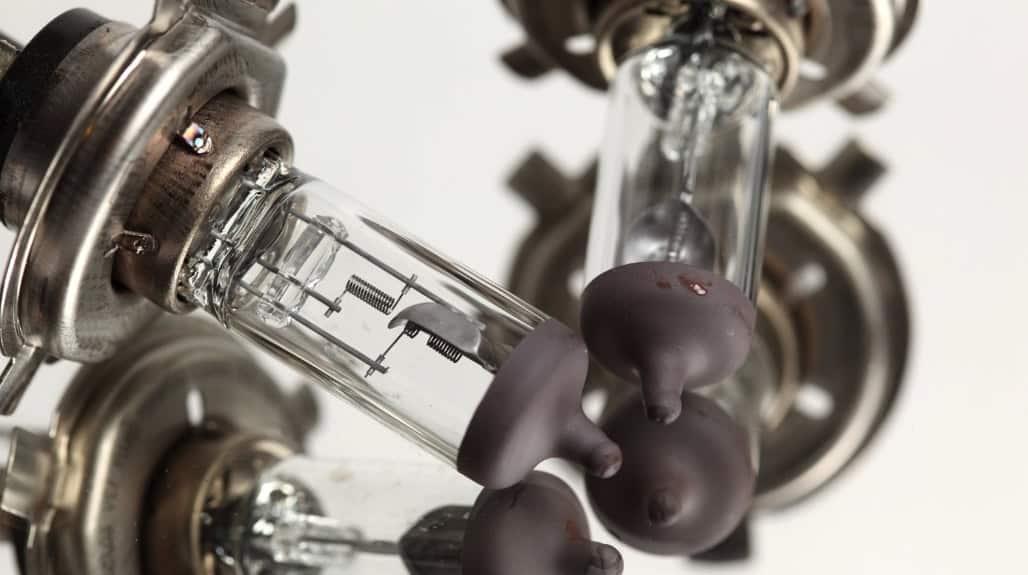
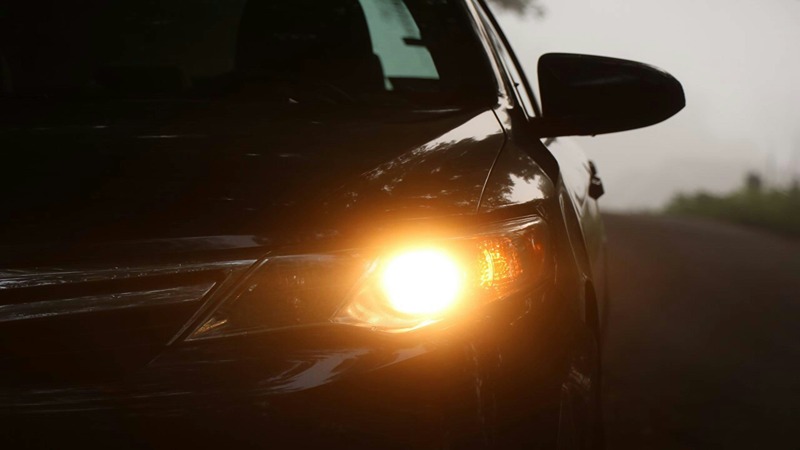
The headlight type also affects the brightness level and color temperature. Traditional halogen bulbs emit a warm yellow light within the 3000K to 4300K range, whereas LEDs produce bright white light within the 4000K to 6000K range. The brightest light output is from HIDs that can go beyond the 6000K temperature limit and emit a blue or deep purple light.
Are Colored Headlights Road Legal
Regulations on color headlights are very strict. Any headlight color apart from white or yellow is restricted for public roads. The law has designated three colors, blue, red, and green, for emergency vehicles. It helps avoid confusion among drivers; as a responsible citizen, every driver is bound to make way for emergency vehicles.
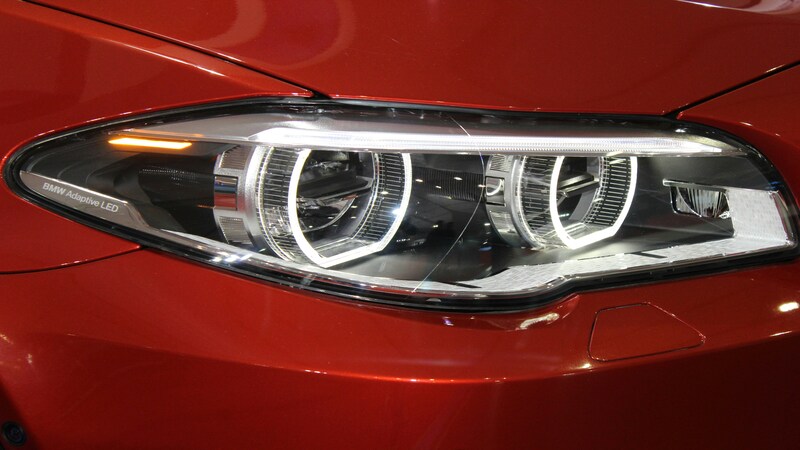
Changing headlight colors is not practical. People choose to change the headlight color for aesthetics only. But it’s illegal and can lead to profound implications like fines and vehicle impoundment. Ensure that your car headlight’s color temperature is between 2500 and 6000 kelvins and emits white or amber light.
Headlight tinting to change the color is also prohibited because it reduces brightness levels, which affects visibility. In some US states, the laws on headlight tinting are flexible, but you still need to comply with FMVSS 108 standards. Any tint above 5% will affect the brightness level and decrease visibility.
Things to Consider When Buying Vehicle Headlights
Are you considering upgrading your car headlights? Here are a few things you must consider to ensure compliance with headlight laws:
Safety and Visibility Standards
Your car headlights should meet all safety standards, including brightness limit, color temperature, and beam pattern. These regulations are designed to enhance road safety and ensure a comfortable driving experience. You will get enhanced visibility and avoid causing inconvenience to other drivers.
Headlight Type
Car headlights come in three popular types: halogen bulbs and LEDs. and HIDs. LEDs are extensively used in modern vehicles due to their high efficiency, longevity, and durability, but their costs are high. HIDs are known for their extremely high brightness, which provides better visibility and a moderate lifespan. Halogen bulbs are a cheap and effective option. Choose wisely!
Enforcement and Compliance

Always go for DOT-compliant headlight options. They are made according to legal standards and provide better compatibility. You also need to follow headlight laws and not use any tinting or colored headlights. In case your car headlights are not compliant with DOT, you may get a fine or have your vehicle impounded.
Headlight Quality
Quality is always a crucial consideration when it comes to headlights. Choose a reputable brand to purchase headlights that provide a warranty with the product. You should look for ISO certifications and IP ratings to check the quality. The manufacturers also mention the lifespan in hours of usage; go for a light with the longest lifespan.
Vehicle Compatibility
The headlights you’re going to purchase must be compatible with your vehicle. They must fit in the headlight frame to avoid misalignment. You also have to choose from OEM and aftermarket options. It’s at your discretion. Weigh the pros and cons and select the right option. OEM headlights offer better compatibility, while aftermarket headlights can save you money.
How to Avoid Legal Issues with Headlights

Are you getting new headlights for your car? Here are some tips to avoid legal trouble with headlights. All you need to do is ensure compliance with the law!
When you shop for headlights, keep these five points in mind.
1. Safety standards – Look for DOT engraved on the lens, not just on the box.
2. Headlight type – Halogen is always safe. LED/HID are legal only as complete assemblies or factory‑equipped. Never put LED/HID bulbs in a halogen housing.
3. Enforcement – Avoid anything labeled “for off‑road use only.” Keep your receipt and a photo of the DOT mark.
4. Quality – Buy from reputable brands. Avoid suspiciously cheap “LED upgrades” from online marketplaces.
5. Compatibility – Use your VIN to check fitment. Complete assemblies are safer than bulb‑only swaps.
Conclusion
Do you want to upgrade your car headlights? The first and foremost thing is to understand headlight laws. These will help you select the right pair of headlights and ensure compliance with the law. Don’t miss out on essential considerations to avoid any inconvenience. Installing legal headlights is crucial to ensure driving safety!
Looking for a reputable headlight manufacturer? Carlightvision offers top-quality headlights that are 100% road-legal and compliant with FMVSS standards.
Source DOT-Compliant Headlights from CarLightVision – Get a Quote Today
Do you want legally compliant headlights? Carlightvision is a world-class manufacturer of headlights with over a decade of manufacturing expertise.
It uses advanced R&D and state-of-the-art manufacturing facilities to produce FMVSS-compliant headlights. Get in touch with their representative to get tailored headlight solutions!
FAQs
Q1. Are 6000k LED headlights legal?
Yes, headlights with a color temperature of 6000K are legal. The FMVSS 108 has set the color temperature to be within 2500K to 6000 K. The standard colors are amber and white.
Q2. Is it illegal to drive around with one headlight?
It is illegal to drive around with one headlight. The consequences may be a fine ranging from $50 to $500 or vehicle impoundment.
Q3. Is it legal to change my headlights to LED?
You need to check the state laws to see if changing halogen bulbs to headlights is legal. If you still want to change headlights to LEDs, choose DOT-compliant LEDs.
Q4: Do daytime running lights count as headlights?
A: No. You still need full headlights from sunset to sunrise and in bad weather.
Q5: How often should I check my headlight aim?
A: At least once a year, and after any suspension work or accident.