In simplest terms, T10 bulbs are small wedge-base bulbs commonly used as license plate lights, vehicle interior lights, parking lights, and dashboard lights. Their small size, easy installation, and wide compatibility make them a preferred lighting option for vehicle owners. Here’s a detailed guide covering:
- What do T10 bulbs mean and how do they work?
- Common T10 bulb applications in vehicles?
- T10 vs 168 vs 921 bulb differences?
- How to choose the right T10 LED upgrade for your car?
What Does T10 Mean on a Light Bulb
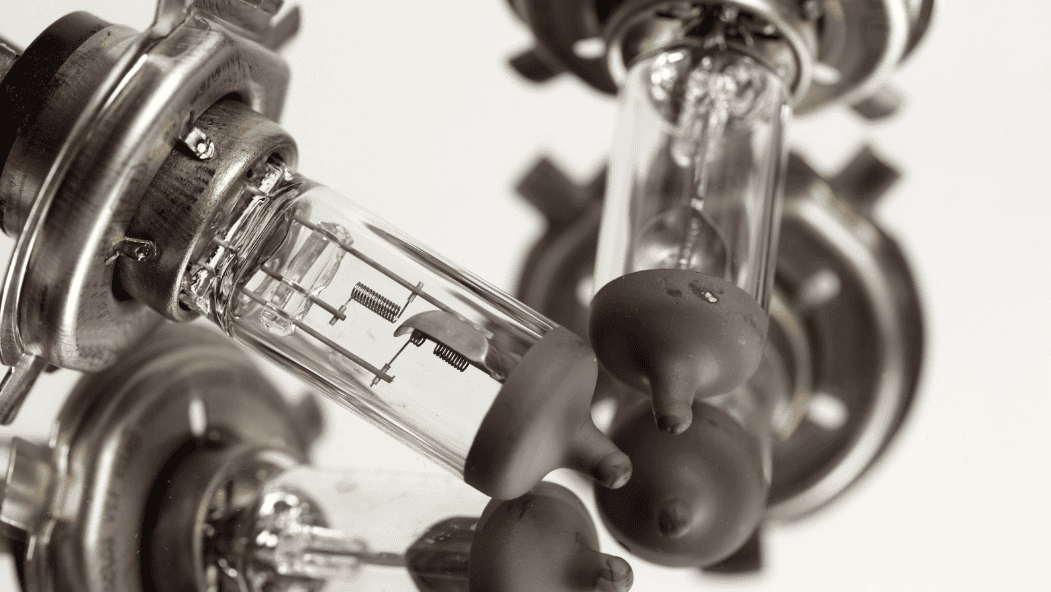
T10 is a code that refers to the bulb’s shape and size category, commonly used for small wedge-base automotive lights. It helps understand the bulb design, not the reasons behind brightness or performance level.
Here is a breakdown of the code in order of how the elements appear, so you have an understanding before adding these bulbs to the cart:
- T = Tubular shape: Describes the general bulb body design
- 10 = Size category: Refers to the approximate bulb width classification
- Wedge-base design: Allows the bulb to plug directly into compatible sockets without a metal base
It is important to understand that T10 is primarily a bulb size and a base style, not a specific bulb technology. A T10 bulb can be available in different types, including halogen, green light, incandescent, and LED versions.
What Are T10 Bulbs Used for in Cars?
T10 bulbs are mainly used for small interior and exterior vehicle lighting applications. Their compact wedge design makes them suitable for areas that need low-power, reliable illumination. Common T10 bulb uses include:
- Dome lights
- Map lights
- Trunk lights
- Dashboard lights
- License plate lights
- Side marker lights
- Parking lights
| Interior Applications | Exterior Applications |
|---|---|
| Dome lights | License plate lights |
| Map lights | Side marker lights |
| Trunk lights | Parking lights |
| Dashboard lights | Exterior accent lighting |
T10 bulbs are commonly upgraded to LED versions for improved brightness, lower energy use, and longer lifespan.
How Many Watts Is a T10 LED Bulb?
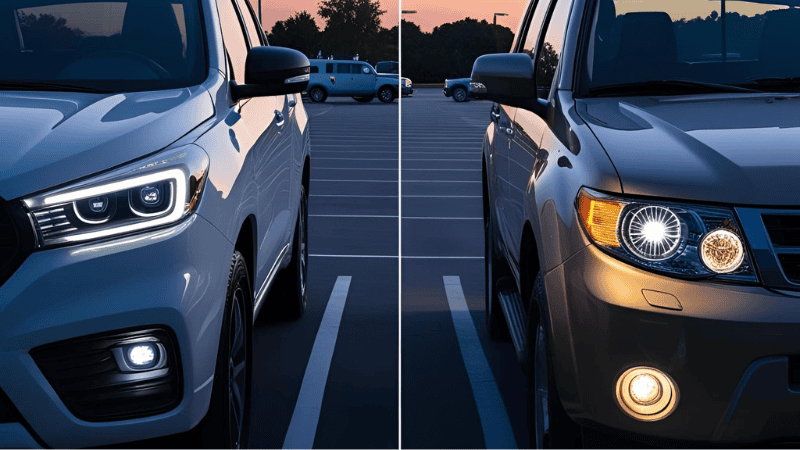
A standard T10 LED bulb usually consumes around 1W to 3W of power, making it much more efficient than older lighting stocks. Even with lower energy consumption, quality LED bulbs can produce the same or higher brightness compared to traditional bulbs.
A regular T10 halogen bulb typically uses around 5W of power because it relies on a heated filament to create light. LED technology converts energy more efficiently, allowing it to use up to 80% less power, generate less heat, and offer a much longer service life.
However, some CANbus error-free T10 LED bulbs may have slightly higher wattage. These bulbs include built-in load resistors that increase electrical resistance to imitate a halogen bulb.
This helps prevent dashboard warnings, flickering, or “bulb out” error messages in vehicles with advanced lighting systems.
How Long Do T10 Bulbs Last?
T10 LED bulbs typically last between 30,000 and 50,000 hours, making them significantly longer-lasting than traditional halogen options.
In comparison, standard T10 halogen bulbs usually last only around 500 to 1,000 hours before needing replacement.
The actual lifespan of a T10 LED bulb depends on several factors, including heat dissipation design, operating temperature, and voltage stability. High-quality LEDs with proper cooling systems can maintain performance longer and prevent early chip failure.
Although LED T10 bulbs usually cost more upfront, they offer better long-term ROI. Their lower power consumption and extended lifespan reduce replacement frequency, making them a more cost-effective lighting upgrade over time.
T10 vs 194 vs 168 Bulb Differences
T10, 194, and 168 bulbs are highly similar and are usually interchangeable. This is because they share the same W2.1×9.5d wedge base and nearly identical physical dimensions. For example, these bulbs can fit into the same sockets without modification.
The main differences existed in traditional halogen versions. A 168 bulb generally had slightly higher wattage and brightness compared to a 194 bulb, while T10 referred more broadly to the bulb size and base category.
In modern LED lighting, these differences are much smaller. Manufacturers often label products as T10/194/168 LED bulbs because LED technology can provide high brightness and low power consumption within the same design.
| Feature | T10 | 168 | 194 |
|---|---|---|---|
| Base Type | W2.1×9.5d wedge | W2.1×9.5d wedge | W2.1×9.5d wedge |
| Compatibility | Widely interchangeable | Fits most T10 sockets | Fits most T10 sockets |
| Traditional Output | Standard | Higher brightness | Lower brightness |
| LED Version | Often combined as T10/168/194 | Often combined as T10/168/194 | Often combined as T10/168/194 |
| Common Uses | Interior, marker, license lights | Interior/exterior small lights | Interior/exterior small lights |
Which Is Brighter, T10 or T15?
T15 bulbs are brighter than T10 bulbs because they are designed for higher light output. Although T10 and T15 share the same wedge-style base and can often fit into the same socket, they are built for different brightness requirements.
The main difference is size. A T15 bulb has a larger and longer bulb head, allowing space for more LED chips and improved heat dissipation. This helps T15 bulbs support higher wattage levels and produce more lumens than compact T10 bulbs.
Because of this difference, T10 bulbs are usually used for smaller lighting areas, while T15 bulbs are preferred when stronger illumination is required.
| Bulb Type | Brightness | Common Applications |
|---|---|---|
| T10 | Lower output | License plate lights, map lights, dome lights, interior lights |
| T15 (912/921) | Higher output | Reverse lights, cargo lights, high-mount brake lights |
LED vs Halogen T10 Bulbs: Which Is Better?
LED T10 bulbs are the better choice for most modern vehicles because they offer brighter output, better efficiency, and longer service life. Halogen bulbs are cheaper initially but have lower performance and need replacement more often.
In terms of brightness and color, LEDs produce a cleaner, brighter white light with better visibility, while halogens have a warmer color temperature that can look outdated.
For energy use and temperature, LED T10 bulbs consume much less power and generate minimal heat. Halogen bulbs require more energy and become extremely hot because they rely on heated filaments.
When comparing lifespan and cost, halogens are affordable but burn out quickly. LED headlights cost slightly more upfront but last much longer, making them a more cost-effective upgrade.
Overall, LED T10 bulbs are recommended for drivers who want improved vehicle appearance, better nighttime driving experience, and reliable long-term performance.
How to Choose the Right T10 LED Bulb?
Choosing the right T10 bulb depends on LED color, brightness, size, and vehicle compatibility. A good bulb should fit properly, provide enough visibility, and work without electrical issues.
1. Choose the Right Color Temperature
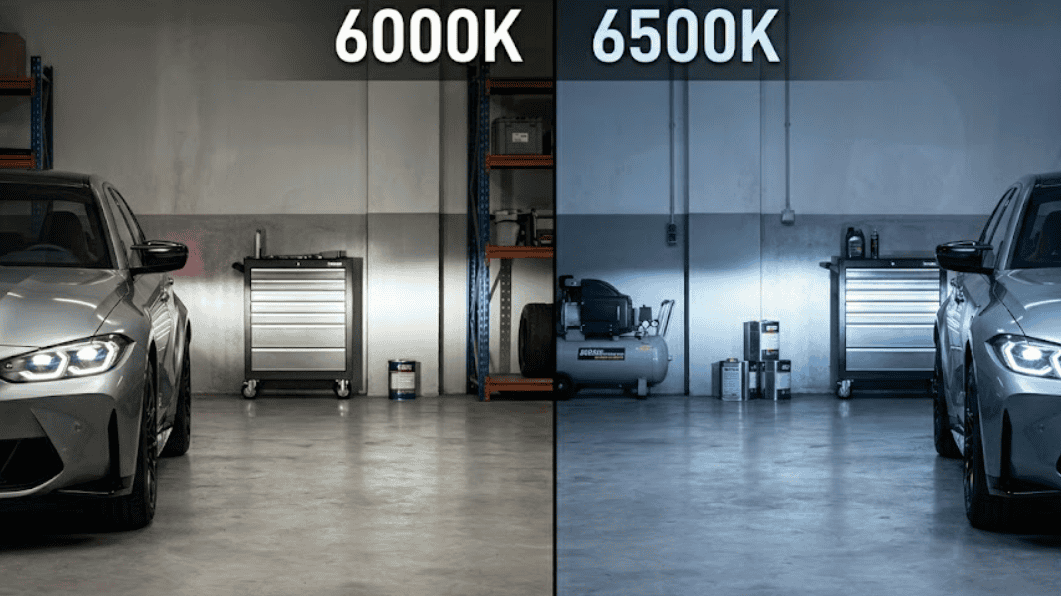
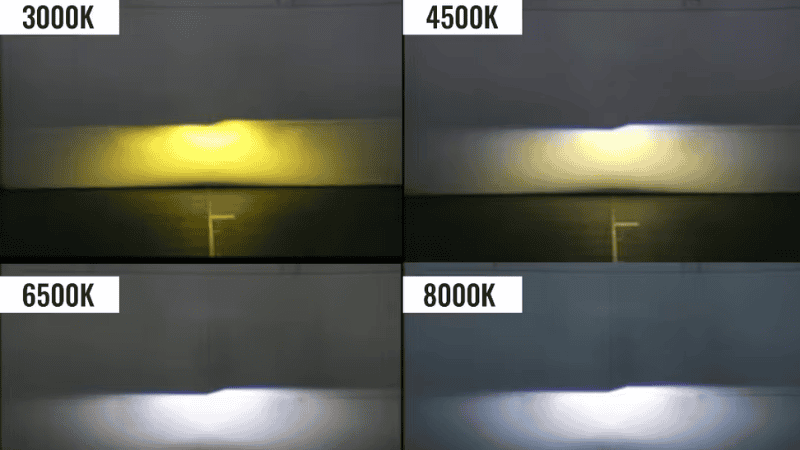
For a natural factory-style appearance, choose 4000K–5000K T10 LEDs. If you prefer a modern, crisp white look, 6000K is a popular option. Colors like red or amber should only be used according to local traffic laws and the specific light housing.
2. Check Brightness (Lumens)
Select brightness based on the bulb location. Dashboard lights need moderate brightness to prevent glare, while trunk lights, cargo lights, or reverse lights require higher lumens for better visibility.
3. Confirm the Correct Size and Fitment
Some high-output T10 LED bulbs are larger than standard halogen bulbs because they contain extra LED chips or cooling designs. Always check your light housing space before installation.
Newer vehicles, especially brands like BMW, Audi, and VW, may require CANbus error-free T10 bulbs. These prevent flickering, warning messages, and compatibility issues with sensitive vehicle monitoring systems.
Common T10 LED Problems and Fixes
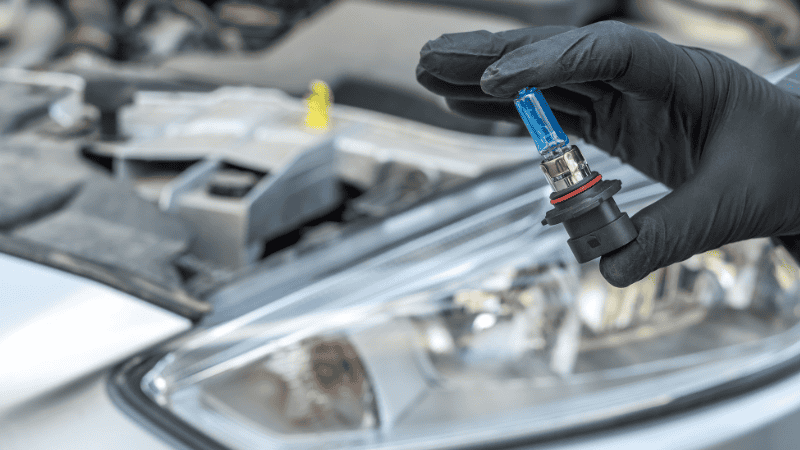
Even high-quality T10 LED bulbs can sometimes have installation or compatibility issues. Most problems are easy to fix and are usually related to polarity, voltage, or the vehicle’s electrical system.
Problem 1: T10 LED Bulb Does Not Turn On
Fix: Most LED bulbs are polarity sensitive. Remove the bulb, rotate it 180 degrees, and reinstall it to reverse the connection.
Problem 2: Flickering or Hyper-Flashing
Fix: Flickering is usually caused by unstable voltage or CAN bus compatibility issues. Upgrade to quality CANbus LED bulbs or install load resistors to stabilise the circuit.
Problem 3: Dashboard Error Code
Fix: Some vehicles detect low-power LEDs as failed bulbs because they draw less energy than halogens. Switching to CANbus error-free T10 LEDs usually solves warning messages.
Problem 4: LED Stays Dim After Turning Off
Fix: This “ghosting” effect happens due to a small residual current in the vehicle wiring. It is usually harmless, but using CANbus LEDs with built-in resistors can absorb the extra current and stop the glow.
Conclusion
T10 bulbs are versatile wedge-base lights commonly used for interior, license plate, dashboard, and small exterior vehicle lighting. While halogen T10 bulbs are affordable, LED upgrades provide better brightness, efficiency, and a much longer lifespan. A properly selected LED upgrade improves both vehicle appearance and everyday lighting performance.
Upgrade And Streamline Your T10 Bulk Sourcing Today
At Car Light Vision, we provide high-quality LED bulbs and automotive lighting solutions designed for better brightness, durability, and performance. Whether you need a simple vehicle upgrade or bulk LED solutions, our experts can help you find the right fit.
Contact us today for personalised recommendations, competitive pricing, and reliable wholesale lighting options tailored to your needs.
FAQs
Q1: Is a T10 bulb the same as a 168 bulb?
Yes, T10 and 168 bulbs are completely interchangeable because they share the exact same wedge base. You can plug a 168 bulb right into your T10 socket. Your standard 168 halogen runs at 4.9 watts, while a T10 runs at 5 watts. You won’t notice this tiny difference at all. For a perfect T10 fit, Carlightvision offers the best plug-and-play upgrade for your car.
Q2: Is T10 the same as 921?
No, T10 and 921 bulbs are not the same because 921 bulbs are much larger and brighter. They will not fit your car the same way. Your typical T10 bulb only pushes out about 50 lumens of light. Meanwhile, a 921 bulb blasts out around 250 lumens. Putting a 921 in a T10 slot can melt your housing. Check out Carlightvision to get your exact bulb size.
Q3: What are the downsides of LED headlights?
The main downsides of LED headlights are blinding glare and dashboard error codes if you install them incorrectly. Good LEDs drop your power draw from 55 watts down to 25 watts. This huge power drop can trick your car computer, causing annoying dashboard warning lights or flickering. To avoid these errors, choose premium, safe bulbs from Carlightvision.
Q4: What color T10 LED should I buy?
You should buy 4000K–5000K for a warm factory look, or 6000K for a modern, bright white style. Choosing a 6000K color temperature gives your car that crisp, cool daylight look that luxury vehicles have. Anything higher looks too blue and loses brightness. For the best T10 light color, Carlightvision has the perfect options you need.
Q5: Are T10 LED bulbs brighter than halogen bulbs?
Yes, T10 LED bulbs are much brighter, use less power, and last longer than old halogen bulbs. A standard halogen bulb only gives you around 12 lumens per watt. A good LED gives you over 100 lumens per watt. You get way more light while saving your car battery. Upgrade your dull lights today with bright T10 options from Carlightvision.