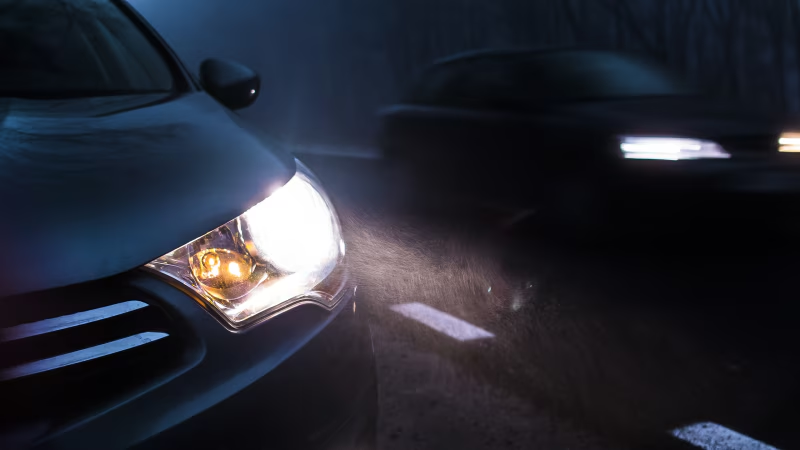
Contrary to what many think, headlights aren’t just to be used for nighttime driving. These are rather a legal requirement in reduced visibility conditions.
In many regions, traffic laws make it essential for drivers to turn on headlights under certain weather conditions. Below, we’ll explain the legalities of headlight use, including night driving, weather conditions, and penalties in this regard.
Conditions To Use Your Headlights While Driving?
Headlights are legally required at night and in tunnels, underpasses, and country roads where lighting suddenly drops. They are also mandatory in poor weather. These include wet weather, fog, and dust storms that reduce visibility and make it harder to spot oncoming vehicles or the road ahead.
In many regions, LED headlights must be used on unlit rural roads or low-light highways, and even during daytime when visibility becomes unsafe.
Legal Triggers for Using High Beams, Low Beam headlights, and fog lights?
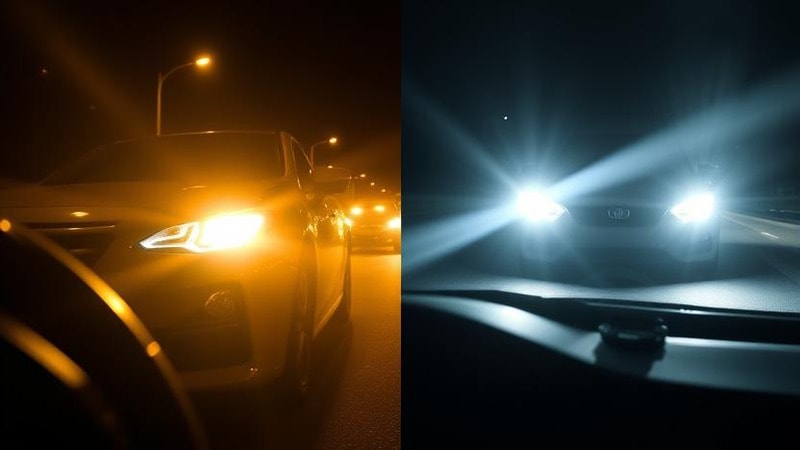
While headlight laws vary by jurisdiction, most regulations are built around three common triggers: time of day, weather conditions, and visibility distance.
If any of these factors reduce a driver’s ability to see the vehicle ahead or be seen, headlights are typically required by law.
1. Time-of-Day Requirements
Most drivers and other road users are required to turn on their headlights between sunset and sunrise. This is because there is not enough light for a car to be safely visible, even before it is dark.
Many jurisdictions also extend the requirement to twilight periods for extra caution. For example, states such as California, Texas, and Florida require headlights to be on from approximately 30 minutes before and after sunrise and sunset.
2. Inclement Weather (The “Wipers On, Lights On” Law)
In many places, headlights become mandatory whenever the weather significantly reduces visibility for motor vehicles. Many people ask if they need headlights on in adverse weather and rain, if it’s still bright outside. In many jurisdictions, yes!
More than 40 U.S. states have adopted some form of the “Wipers On, Lights On” rule. This rule requires you to turn your headlights on at low beam whenever windshield wipers are used continuously due to rain, sleet, or snow.
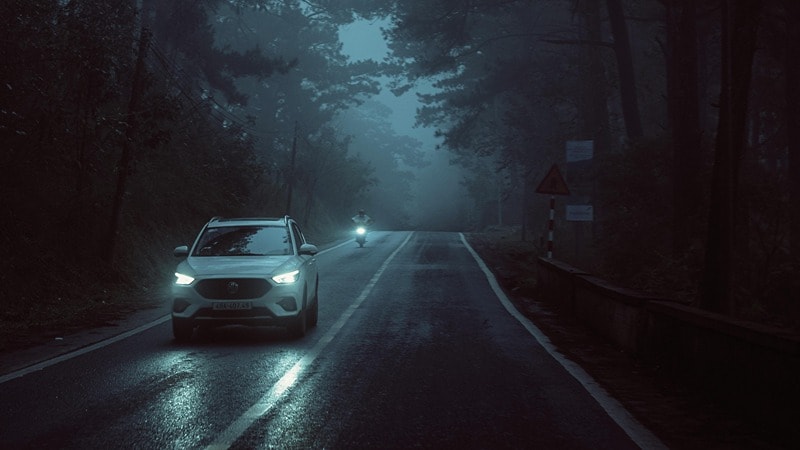
3. Limited Distance Visibility Thresholds – Full Beam Headlights
Many traffic laws use visibility distance as a road-use legal trigger for headlight use in modern cars. If weather or other conditions prevent drivers from seeing a certain distance, the vehicle’s headlights must be turned on.
Below are some common visibility thresholds for modern vehicles.
- 500 feet of visibility: Standard in 19 states, equal to 1.5 football fields.
- 1,000 feet of visibility: Standard in 31 states, roughly equal to about three city blocks.
- Specific road hazard zones: Mountain passes, tunnels, and rural two-lane highways may require headlights at all times.
State-by-State Headlight Laws: A Complete Guide
Headlight requirements and driving laws vary by state, with differences in sunset rules, weather-related regulations, and visibility thresholds.
1. English-speaking countries Headlight Laws
Here are the headlight regulations across major English-speaking countries:
| Country | Primary Timeframes | Wipers On = Lights On? | Minimum Visibility Distance |
|---|---|---|---|
| United States | From sunset to sunrise | Yes, in most states | 500–1,000 ft |
| Canada | From sunset to sunrise | Required in reduced visibility | No fixed national distance |
| United Kingdom | From sunset to sunrise + during reduced visibility | No specific law | Less than 100 meters |
| Australia | From sunset to sunrise + Whenever visibility is poor | Required in reduced visibility | Less than 200 meters |
| New Zealand | From 30 minutes after sunset to 30 minutes before sunrise | Required in reduced visibility | Less than 100 meters |
| Ireland | From sunset to sunrise and during reduced visibility | Required in reduced visibility | Less than 100 meters |
2. U.S. State Headlight Laws – New York State’s laws to Michigan
While most states require headlights at night and during poor weather, the exact legal triggers can differ in terms of timing and visibility thresholds:
| State | Timeframes | Wipers On = Lights On? | Minimum Visibility Distance (Feet) |
|---|---|---|---|
| Texas, California, Washington | 30 Minutes After Sunset and Before Sunrise | Yes | 1,000 |
| Florida, Virginia, Georgia | Sunset to Sunrise | Yes | 500 |
| New York, Pennsylvania, Ohio, Illinois, | Sunset to Sunrise | Yes | 1,000 |
| North Carolina | Sunset to Sunrise | Yes | 400 |
| Michigan | 30 Minutes After Sunset to 30 Minutes Before Sunrise | Yes | 500 |
Penalties for Driving Without Headlights or Dipped Headlights?
Driving without headlights, fog lights, and full beam headlights when required can lead to legal consequences depending on the situation.
Most commonly, it results in traffic citations, with fines ranging from $25 to $200 depending on the jurisdiction, and may also add points to your driving record.
In minor cases like a burnt-out headlight bulb or steering wheel issue, police may issue a “fix-it ticket,” giving you 24–72 hours to repair the issue and avoid penalties.
However, in accident situations, failing to use headlights can also impact insurance claims. It may increase your share of fault if reduced visibility contributed to the crash.
What About Daylight Running Lights
Daytime running lamps (DRL) are low-intensity automatic headlights that turn on automatically when the engine starts to improve daytime visibility.
However, DRLs are much dimmer than regular headlights and do not activate rear taillights.
Understanding this is important because relying on DRLs instead of proper headlights during night driving decreases safety and can lead to legal violations.
Daytime Running Lights vs. Headlights: What is the Difference?
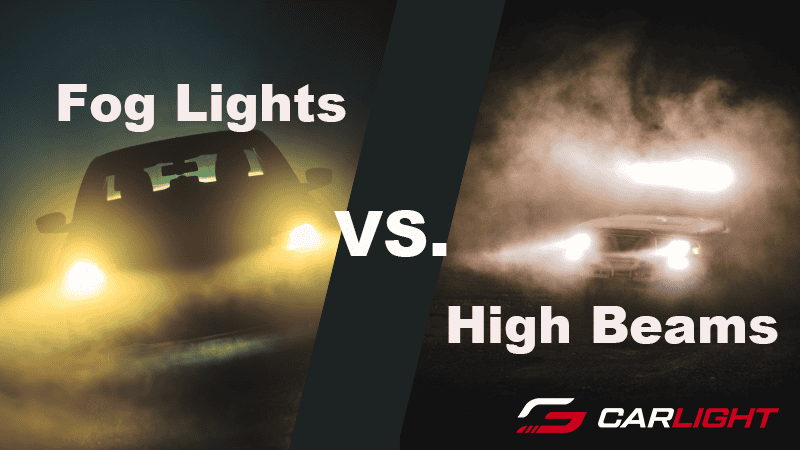
Daytime Running Lights (DRLs) and headlights served different safety purposes, especially in terms of visibility and legal compliance. DRLs are designed only to make your vehicle more visible during the day, while headlights are required for actual road illumination and safe driving in low-light conditions.
| Lighting Feature | Daytime Running Lights (DRLs) | Low-Beam Headlights | High-Beam Headlights |
|---|---|---|---|
| Primary Purpose | Daytime vehicle visibility to others | Direct nighttime road illumination | Long-range rural road illumination |
| Tail Lights Active? | No | Yes | Yes |
| Legal Status at Night | Illegal as a primary light source | Legally required standard | Required on dark roads (must dim for traffic) |
| Best Performance Window | Clear, bright daylight | Night, rain, fog, and snow | Empty, unlit roads with no oncoming traffic |
How to Match Your Vehicle Lighting to the Weather (and the Law)
Different weather conditions require different headlight settings to help passengers stay safe and legally compliant. The key rule is simple: use low beam headlights when visibility is reduced and high beam headlights only when the road is completely clear.
Here is a quick guide to help you decide what headlights to use under what conditions. The table also helps you understand the reasons behind certain laws being the way they are. So, read on:
| Weather Condition | Recommended Light Setting | High Beams Allowed? | Why It Matters |
|---|---|---|---|
| Heavy Fog / Smog | Low beams + fog lights | NO | Reduces glare and improves short-range visibility. Especially one half hour around sunrise and sunset. |
| Heavy Rain / Snow | Low beams | NO | Prevents reflection and improves visibility to other drivers |
| Clear Night Driving | Low beams | Only when the road is empty | Standard legal requirement for safe illumination |
| Dark Rural Roads | High beams | YES (must dim for traffic) | Improves long-distance visibility in unlit areas and at dusk |
Steps To Stay Compliant and Avoid Penalties
Here are the three steps to make sure you are following the local headlight laws all the time:
- The “Three Triggers” Rule: Manually switch from DRLs to full headlights for Darkness, for Wipers, and whenever you see other vehicles turning theirs on. This will make you more visible and also signal to other drivers to be safe.
- Monthly Perimeter Check: Walk around your vehicle to ensure both low beam headlights, both tail lights, and your rear license plate bulbs are functional (a burnt-out plate light is a primary reason for police stops).
- Restore Cloudy Lenses: Sun-damaged, hazy plastic headlight lenses can reduce light output by up to 80%, dropping your visibility below the legal 150-foot threshold. Always ensure the replacement of damaged headlights.
Conclusion: A Simple Way to Drive Safer Every Day
Headlight laws are designed to improve visibility and reduce the risk of accidents in low-light and poor-weather conditions. While the exact rules may vary by location, the safest approach is simple: if visibility is reduced, turn on your headlights.
Before your next drive, make sure your headlights, taillights, and fog lights are working properly. Staying visible not only helps you comply with local laws but also makes every journey safer for you and everyone else on the road.
Stay Visible and Stay Legal
The experts at Car Light Vision are ready to provide you with high-quality lighting solutions so you can upgrade your vehicle’s lighting for better visibility, safety, and full legal compliance in all driving conditions. We offer personalised support, pricing, and wholesale options tailored to your needs.
Contact us today to explore high-quality headlight solutions and get expert guidance for the right fit for your vehicle.
FAQs
Q1: Do Different States Have Different Headlight Laws?
Yes. Headlight regulations vary by state, including when headlights must be used and how visibility requirements are defined. If you’re a driver, it’s important to understand the rules where you drive. If you’re a distributor, retailer, or fleet operator, knowing local regulations can help you recommend compliant lighting products and avoid customer complaints.
Q2: When Must You Use Your Headlights While Driving?
You should use your headlights whenever visibility is reduced, including at night, during rain, fog, snow, or in tunnels. Headlights are required whenever conditions make your vehicle harder to see. For drivers, this improves safety and visibility. For businesses supplying automotive lighting products, these common driving situations help determine which headlight technologies and beam patterns customers need most.
Q3: Is It Illegal to Drive Without Headlights?
Yes, if headlights are required under local law. Driving without required headlights can result in citations, liability issues, and increased safety risks. For fleet operators and commercial vehicle owners, maintaining working headlights is also an important part of safety compliance and risk management.
Q4: When Are Drivers Required to Switch On Headlights?
Most regulations require headlights from sunset to sunrise and whenever the weather or road conditions reduce visibility. A good rule is to turn on your headlights before visibility becomes a problem. If you have difficulty seeing another vehicle, other drivers may have difficulty seeing yours. Turning on your headlights early improves safety and helps ensure compliance.
Q5: What States Require Headlights to Be On at All Times?
Very few states require headlights during all daytime driving. However, some roads, construction zones, safety corridors, and low-visibility conditions have additional requirements. Daytime running lights do not always satisfy headlight requirements. For automotive lighting suppliers and distributors, understanding these regional differences can help you better serve customers in different markets.