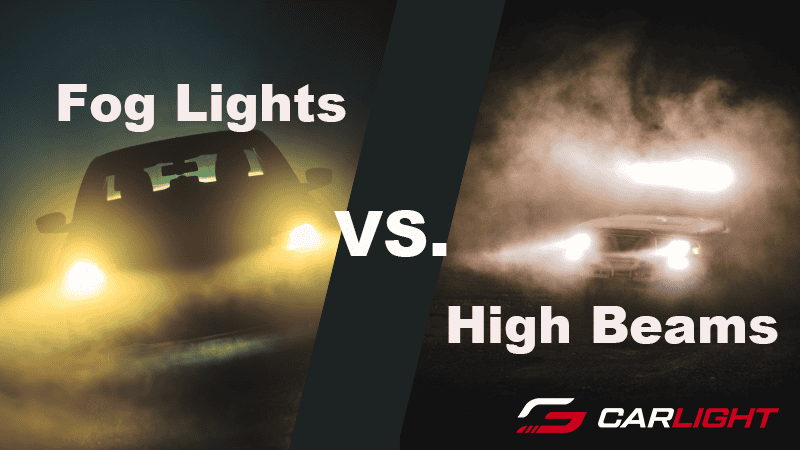
Fog lights and high beams are often confused, but using the wrong one at the wrong time can actually make your visibility worse. Many drivers assume brighter is always safer, yet in conditions like fog or heavy rain, high beams can reflect light back toward you and create dangerous glare.
So, which one should you use, and when to use them?
In this guide, you’ll learn
- The key differences between fog lights and high beams
- When to use each
- Common mistakes that could put you at risk
Whether you’re driving through dense fog or on a dark, empty road, this quick breakdown will help you make the safest choice every time.
Fog Lights vs High Beams: Why They Matter for Safe Driving
Fog lights and high beams are not the same. Fog lights are designed for low-visibility conditions such as fog, rain, or snow, while high beams are used to illuminate long distances on dark roads.
- Fog lights give you a wide, low beam with short range (5 to 15 meters). They help you cut through bad weather.
- High beams give you a long, narrow beam with long range (100 to 200+ meters). You should only use them on dark, empty roads.
What Are Fog Lights and When to Use
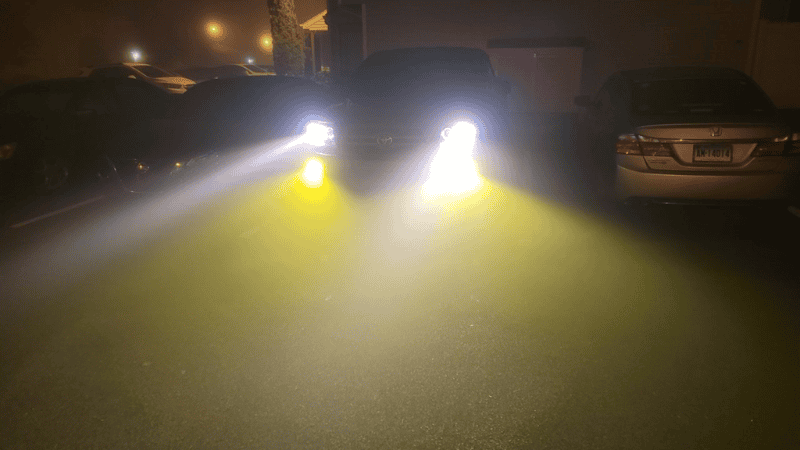
Fog lights are low-mounted, wide-beam lights that help you cut through the weather by reducing glare.
Best used in: You should use fog lights in fog, heavy rain, snow, or dust storms, where water or particles in the air can reflect standard headlights back into your eyes.
Main benefit: They shine low and wide, helping you clearly see the road surface ahead without creating excessive glare.
Limitation: Fog lights only cover a short distance, typically around 5 to 15 meters. They will not help you see far ahead, so you still need your regular headlights.
Do NOT use when visibility is clear: If you are driving on a clear night or in light rain, fog lights will not improve your visibility. Instead, they may distract or annoy other drivers and could even be restricted by local laws.
Important note: Not all vehicles come with fog lights. You should check your owner’s manual to see if your car has them and how to use them correctly.
How High Beams Work and When to Use Them Safely
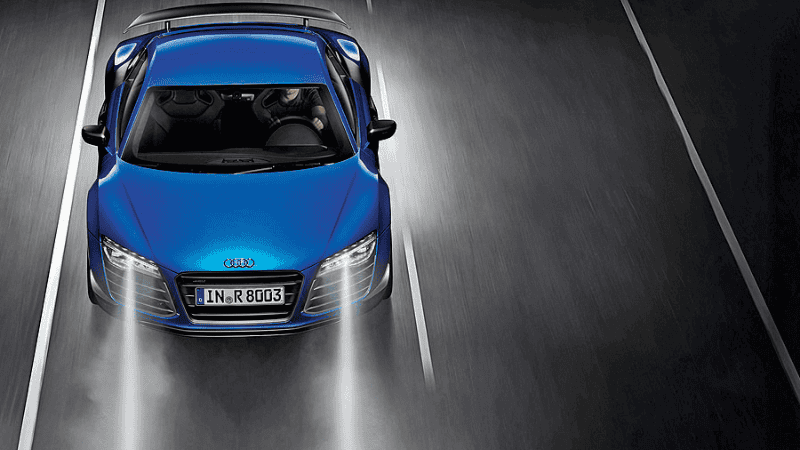
High-beam lights are an integral component of your vehicle’s lighting system. They are meant to offer better illumination for nighttime driving in unlit stretches. They offer significantly more brightness than low beams. High beams are your longest-range headlights. They are designed to help you see far on dark, unlit roads.
Long distance: You get roughly 100 to 200+ meters of forward visibility, allowing you to see much farther down the road than with low beams.
Best environment: You should use high beams on rural highways, back roads, or any unlit road where there is little to no traffic ahead. The extended range helps you spot obstacles, road signs, or animals earlier, giving you more time to react and improving overall safety.
Ease of use: You can quickly activate high beams by pushing or pulling the turn signal lever, making them easy to switch on when needed.
Must-turn-off condition: You must always switch back to low beams when another vehicle is approaching or driving ahead of you. High beams can create intense glare and temporarily blind other drivers, increasing the risk of accidents. They should also be avoided in well-lit urban areas.
You should never use high beams when another vehicle is within 200 to 500 meters of you.
When to Use Fog Lights vs High Beams
Understanding the usage of fog lights and high beams is crucial for safe driving. Here’s a closer look at when you should use fog lights and high beams:
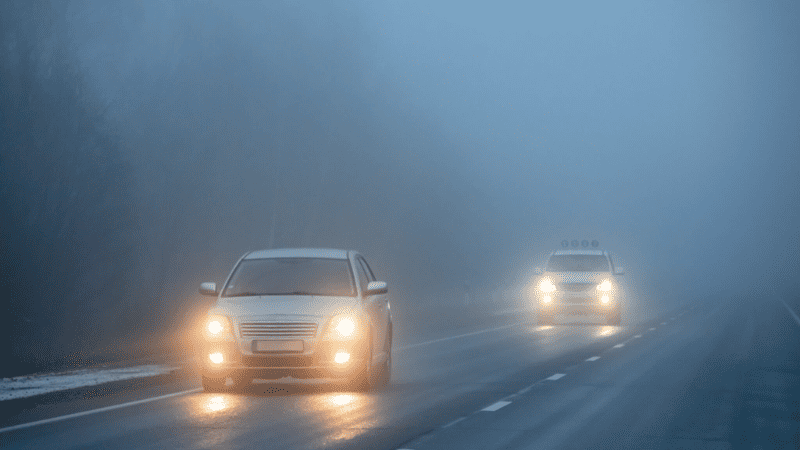
Foggy Conditions
Fog lights are crucial for driving during foggy, rainy, or snowy conditions when the visibility is limited. Unlike headlights, these lights are manufactured to emit wide and flat light beams that stay low on the road. This feature limits the amount of light reflected by dense fog, rain, or snow particles. It reduces glare and assists you in maintaining a clear view.
Fog lights, being mounted low on the vehicle, illuminate the area of the road below the fog line. It helps you locate lane markings, road edges, and potential obstacles on the road. Effective use of fog lights allows you to safely navigate challenging weather conditions.
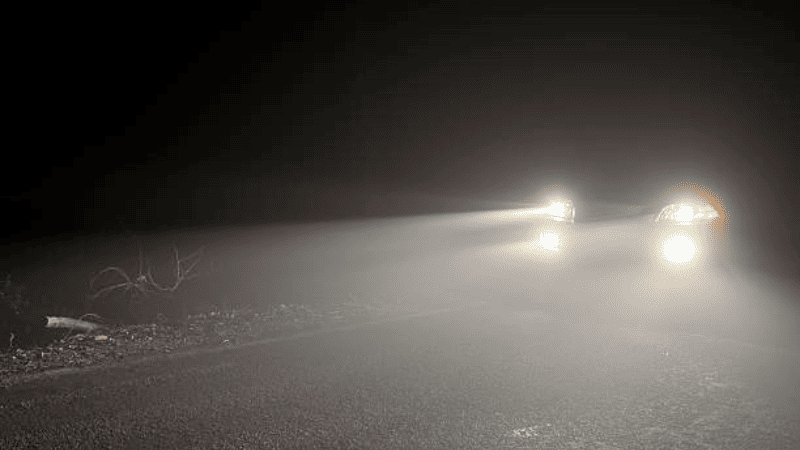
In contrast to fog lights, high beams are not suitable for foggy conditions. Their intense, far-reaching beam reflects off fog particles. It makes it difficult for you to see the road.
Dark Roads
High-beam headlights are the best ally while traveling on open roads with little or no light. These lights are engineered to project light to an extended area on the road. It illuminates the road ahead, enabling you to spot obstacles and challenging curves from a distance.
The extended visibility range is crucial while driving at high speed, as it enables you to react quickly to hazards. However, you need to be cautious when using high beams.
These lights cause considerable glare and discomfort to the oncoming drivers. It’s best to use it when an oncoming drive is 500m away from you. Switch to low-beam headlights when you observe a driver within the 500m range.
Low-Beam Alternative
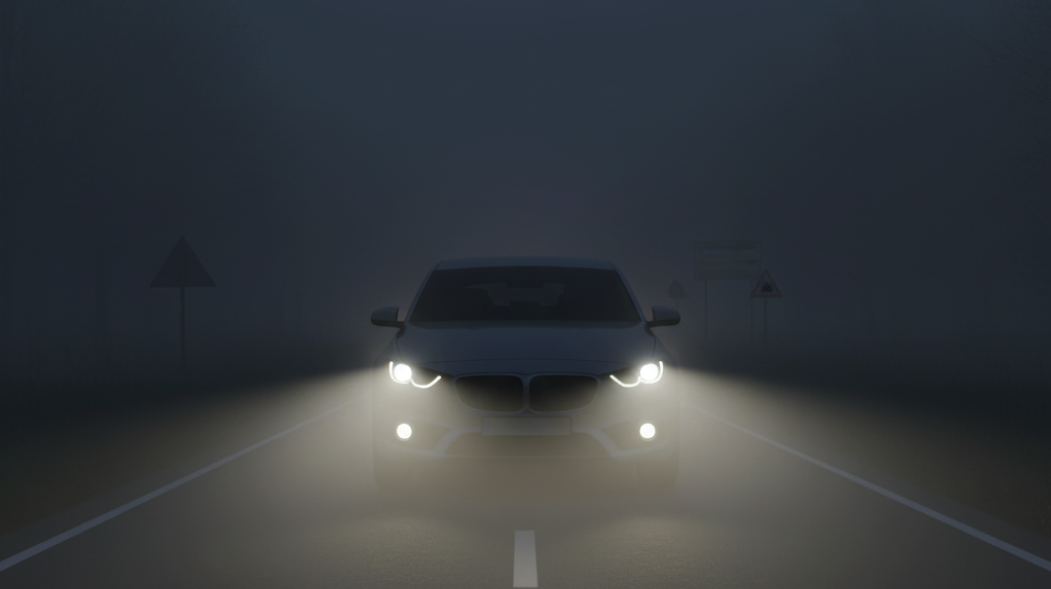
Low beams are the best for driving in low-visibility conditions. However, if your low beams are not working, you should switch to fog lights. Unlike low beams, fog lights emit shorter and wider light beams. It makes them effective for driving during fog or storms.
This beam pattern prevents light from scattering back toward your eyes. It makes it easier to maintain clarity in poor weather conditions.
Although fog lights offer a limited visibility range, their broader coverage can make the surroundings visible. You can also use fog lights alongside low beams in adverse situations. They maximize visibility without creating excessive glare.
Fog Lights vs High Beams: 5 Key Differences Explained
Fog lights and high beams differ in several ways, making each suitable for specific driving conditions. Here are some key differences between the two types of car lights:
| Aspects | Fog Lights | High Beams |
|---|---|---|
| Beam Pattern and Light Distribution | Low, sharp, and wide beam pattern | Intense and narrow beam |
| Mounting Position | Lower on the bumper | Higher on the bumper |
| Law Requirement | Not necessary in clear weather. | Use them when oncoming drivers are 500m or 200m away |
Beam Pattern
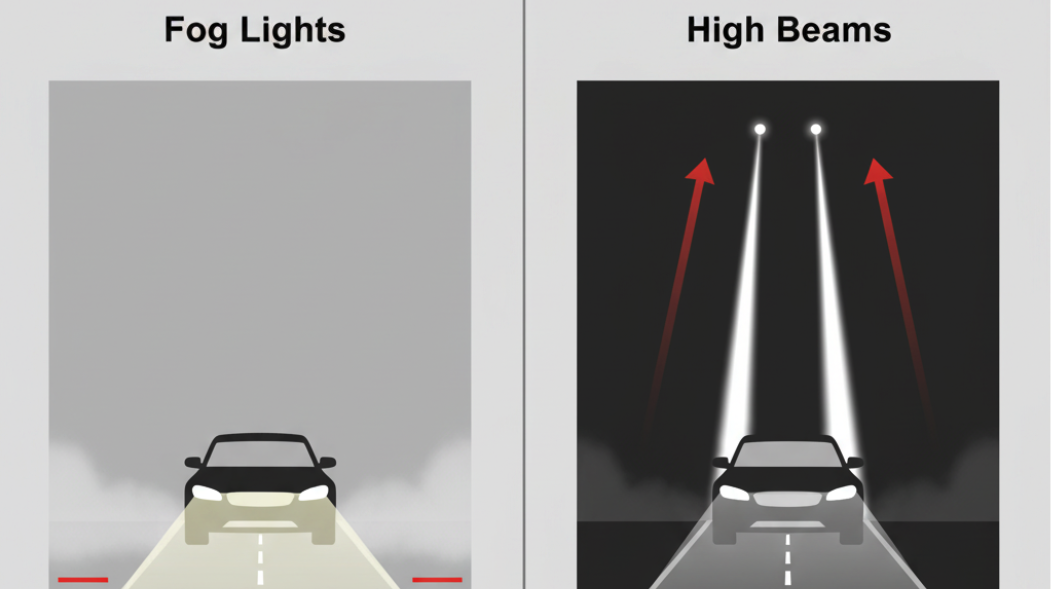
Fog lights give you a wide, flat, low beam that stays close to the road. This helps you see lane edges and markings while reducing glare from fog, rain, or snow.
High beams give you a narrow, long, high-aimed beam that projects far down the road. They improve long-distance visibility but can create strong glare for other drivers.
Visibility Range
Fog lights offer a short range of about 5 to 15 meters, helping you focus on the road directly in front of you.
High beams provide a long range of 100 to 200+ meters, allowing you to spot obstacles, curves, and hazards much earlier.
Mounting Position
Fog lights are mounted low on the bumper, which helps keep the beam under fog and reduces reflection.
High beams are built into the main headlight housing, positioned higher to project light farther ahead.
Best Use Case
You should use fog lights in fog, heavy rain, snow, or dust, especially at lower speeds when visibility is limited.
You should use high beams on dark, empty roads with no traffic, where you need maximum forward visibility.

Legal Considerations
You should only use fog lights in low-visibility conditions, as using them in clear weather may be restricted in some areas.
You must switch off high beams when another vehicle is within 200 to 500 meters, as they can cause glare and temporarily blind other drivers.
When NOT to Use Fog Lights or High Beams
- Do NOT use fog lights on a clear night or in light rain. They create unnecessary foreground glare that can actually reduce your distance vision and annoy oncoming drivers.
- Do NOT use high beams when there is any vehicle ahead of you, whether approaching or following. You will blind the other driver and cause a serious safety risk.
- Do NOT use high beams in the city. Streetlights already give you enough illumination. High beams only dazzle pedestrians and other drivers.
Following these “don’ts” makes you a safer driver and helps you avoid traffic fines in many regions.
Safe Driving Guidelines for Fog Lights and High Beams
You have to follow some guidelines while using fog lights and high beams. Here are some general guidelines for these lights:
Guidelines for Fog Lights
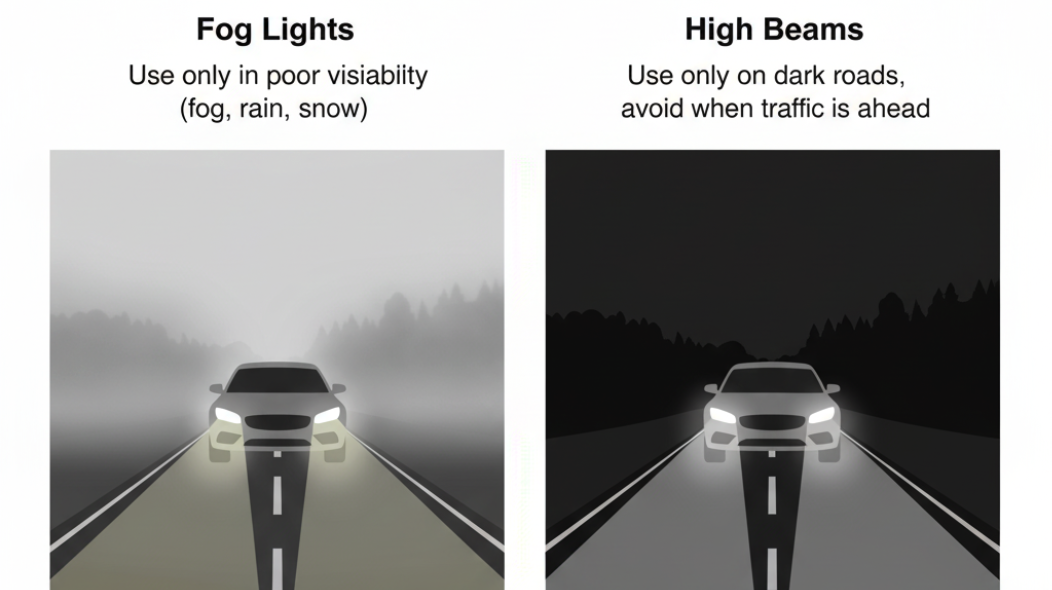
- Use fog lights only in foggy, rainy, or snowy conditions. RAC mentions that you should use fog lights only when visibility falls below 100m.
- Avoid using fog lights in normal circumstances. Don’t turn them on when you are not encountering thick fog or snowfall.
- You can use fog lights as a low-beam alternative in poor visibility conditions.
Guidelines for High Beams
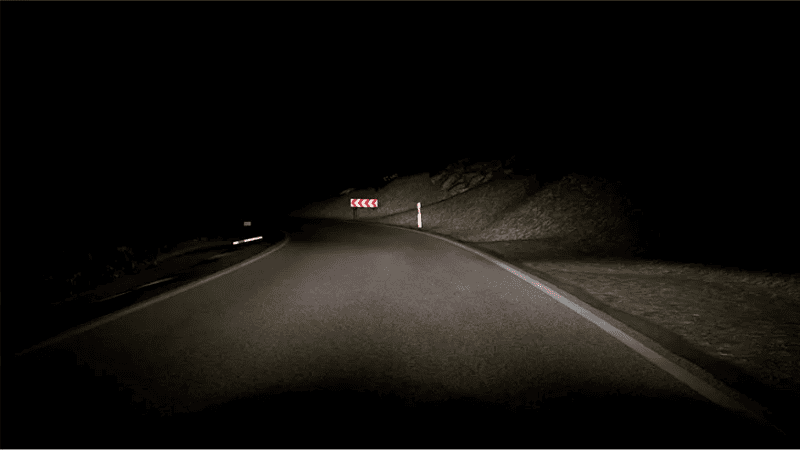
- Employ high-beam headlights on dark roads with minimal or no ambient lighting to illuminate the road.
- Avoid using them when approaching oncoming traffic to prevent glare.
Fog Lights vs High Beams: Pros and Cons You Must Know
The advantages and disadvantages of fog lights and high beams are given below:
Benefits of Fog Lights
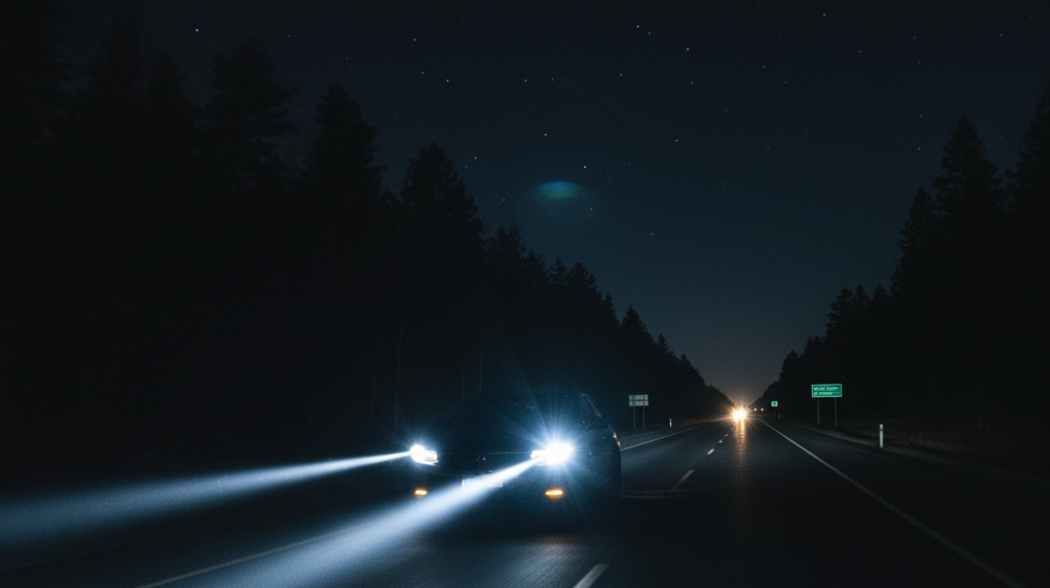
- Fog lights improve visibility in harsh weather by casting a low, wide beam of light. The light being close to the ground allows you to see the road clearly.
- The low position of light beams limits the light reflection back towards you. It reduces glare, offering safe visibility.
- The wider light beam provides you with a broader view of the road. It boosts your overall visibility without overwhelming your sight.
Advantages of High Beams
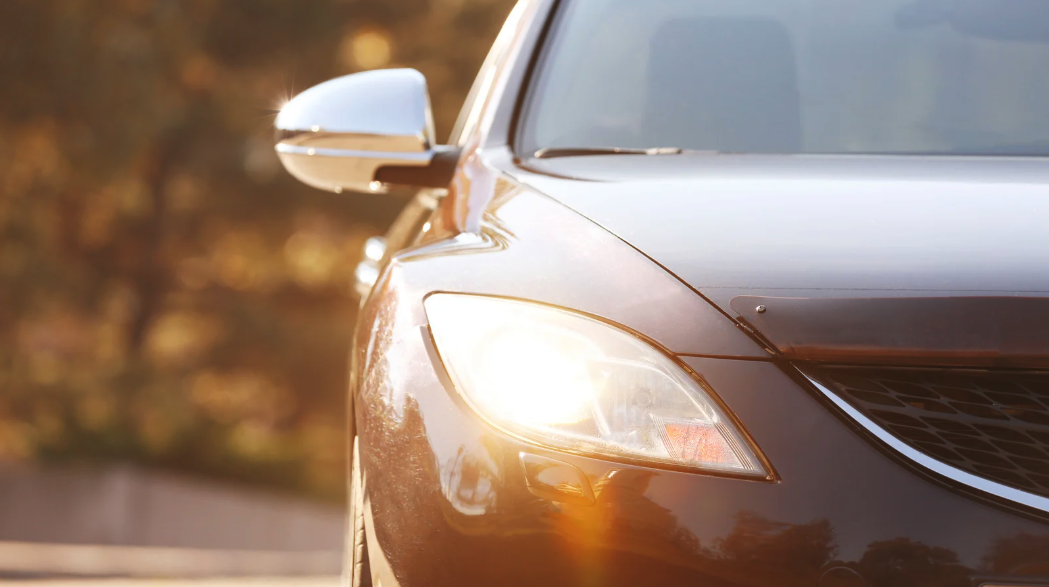
- High beams emit a long-range light that illuminates farther down the road compared to low beams. It makes it convenient for you to detect obstacles, road signs, or animals at a distance.
- These lights provide ample illumination on highways, in rural areas, and in areas with no light. It allows you to navigate safely and anticipate changes in the road ahead.
- The extended visibility offers you sufficient time to react to obstacles or potential hazards. Timely action can reduce the likelihood of accidents.
Drawbacks of Incorrect Use of Fog Lights
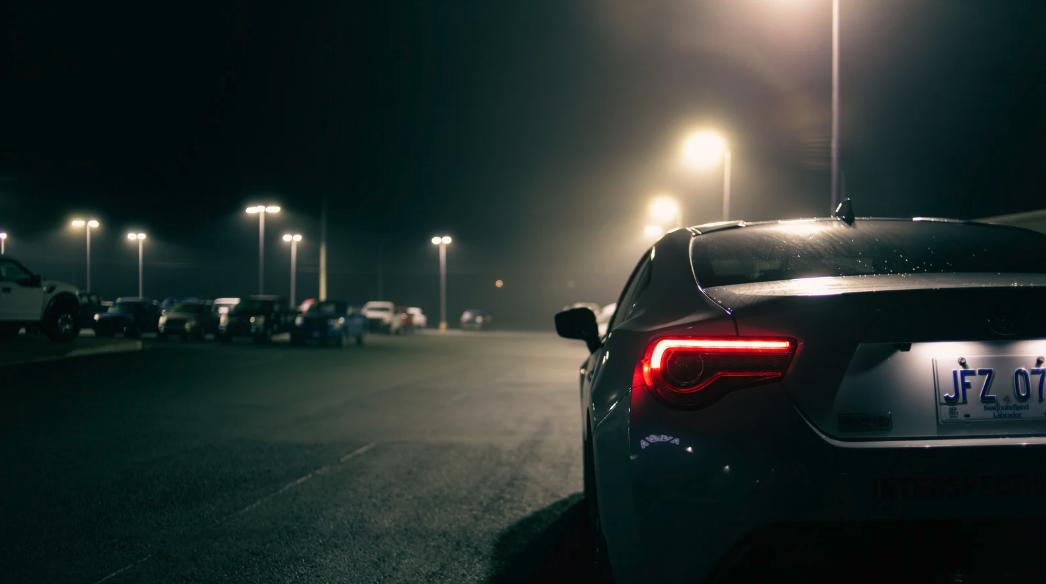
- Improper usage of fog lights can cause glare for other drivers. Using them inaccurately in clear weather can worsen the situation.
- Using fog lights in good lighting conditions results in the scattering of light. It makes it daunting to focus on the road.
- Fog lights consume considerable energy. Their unnecessary usage can drain the vehicle’s battery faster.
- Many regions have laws that regulate the usage of these lights. Using them in high-visibility conditions can lead to fines or penalties.
Disadvantages of Incorrect Use of High Beams
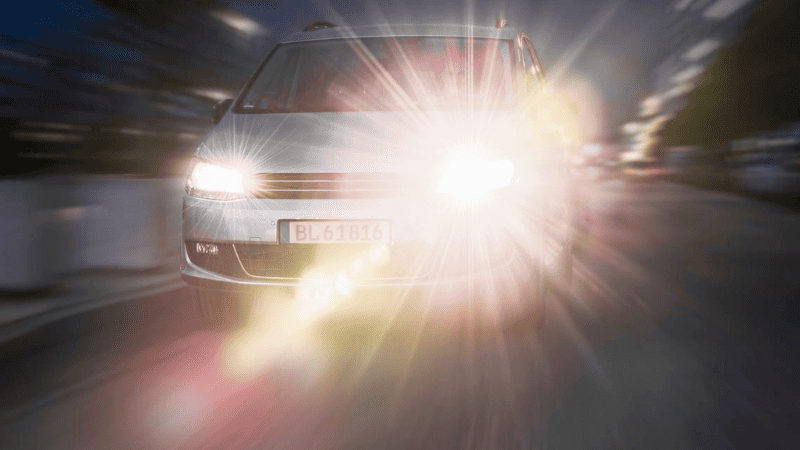
- Inaccurate use of high beams can lead to intense glare for oncoming road users. These lights can temporarily blind them, leading to accidents.
- Using them in poor weather, such as rain, fog, and storms, can reflect a large portion of light. It reduces your visibility instead of improving it.
- Frequent and unnecessary use of high beams consumes more energy. It drains the battery faster, especially in less efficient vehicles.
Conclusion
Knowing when to use fog lights and high beams makes driving at night or in bad weather a lot safer. Fog lights help you cut through fog, rain, and snow, while high beams light up dark roads when visibility is low.
Using them the right way not only keeps you safe but also avoids blinding other drivers.
Upgrade Your Lighting Today
Have you found durable fog lights and high beams for your vehicle? Having efficient and reliable car lights is crucial to ensure optimal performance. However, not all manufacturers offer high-end lights.
Carligtvision is a prominent name in the vehicle lighting industry. We manufacture innovative and high-quality car lights with advanced technology. Our products offer superior performance. Explore them and contact us for inquiries and free samples.
Fog Lights vs High Beams FAQs
Q1: Can You Use Both Fog Lights and High Beams Together?
Yes, you can employ fog lights and high beams together. However, it’s not recommended. Using high-beam headlights in foggy conditions can lead to glare. It makes driving conditions unsafe for you and other road users.
Q2: Do All Cars Have Fog Lights?
No, not all cars come with fog lights. They are more commonly found in newer or higher-end models. Some vehicles only offer them as an optional feature.
Q3: Can Fog Lights Replace Headlights?
No, fog lights are not a substitute for low or high beams. They can supplement low-beam headlights and are only useful in low-visibility conditions.
Q4: What Are Other Types of Auxiliary Lights?
Other auxiliary lights include daytime running lights (DRLs), spotlights, strip lights, and light bars. These lights serve different purposes. DRLs improve daytime visibility. Spotlights provide focused beams for long-distance illumination. Strip lights are often used for decorative or accent lighting. Light bars offer broad, powerful lighting for off-road or work-related applications.