A good pair of LEDs can transform the rear of your vehicle, sharpen visibility for the car behind, and make your 3 Series look more modern on the road.
In this guide, we will discuss BMW F30 and F33, specifically concerning their lighting technology, fitment rules, installation, and buying guide to ensure you select an upgrade that suits your taste without any regrets.
What are the F30 and F35 Models?
Let’s discuss what F30 and F33 are:
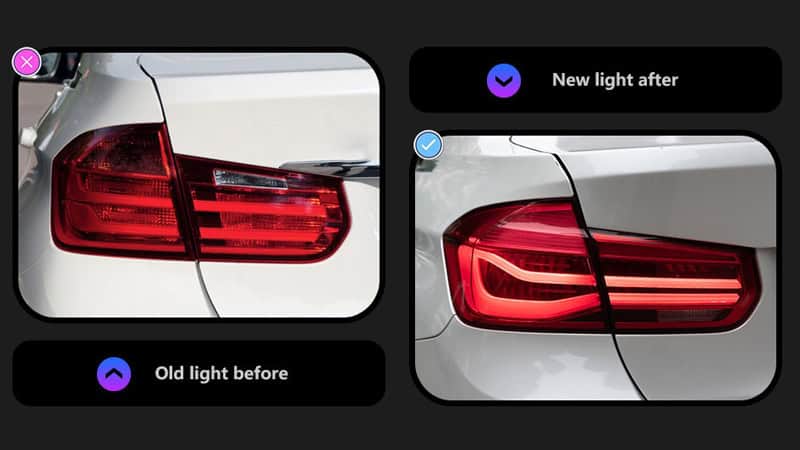
F30 Overview
The sixth-generation 3 Series sedan with a standard wheelbase became a global favourite. Across all production years of the F30, the taillights remained consistent.
F35 Overviews
The new wheelbase is mainly targeting the Chinese market for consumers. Although it looks similar to the F30, the trunk and rear quarter panel have slight differences.
Because of this, some tail lights designed for the F30 will not fit properly on an F35, even if the electrical connectors are equal. It is crucial to confirm the body type and the correct part number before ordering parts that do not complement each other.
What Does LCI Stand For?
Now, let’s discuss what LCI stands for:
What Is LCI?
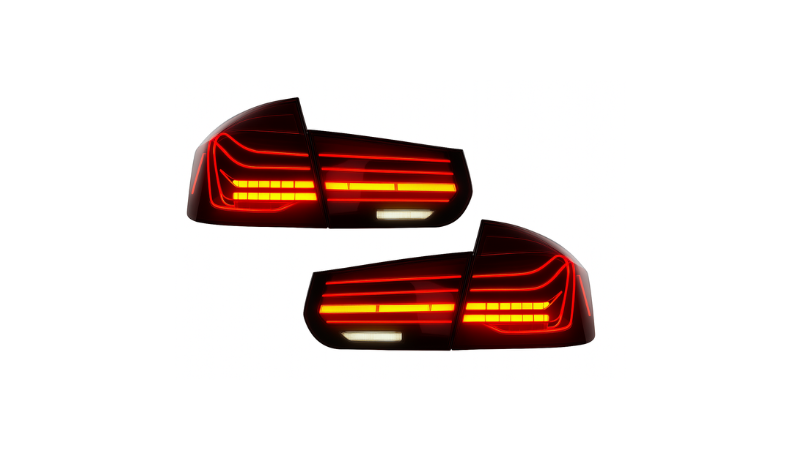
LCI stands for Life Cycle Impulse. It’s the nomenclature BMW uses for a mid-generation facelift. Not a full redesign, but aesthetic changes, technology updates, and electronic part updates.
Production Years
F30 and F35 are both Pre-LCI, which is 2012-2015. At first sight, both look quite similar, but the only difference is the shape and the electrical layout of the tail light assembly.
Different Options for Lighting Technologies
It’s good to get all the technologies involved clear to find a suitable upgrade in the taillights.
Fully-LED Lighting
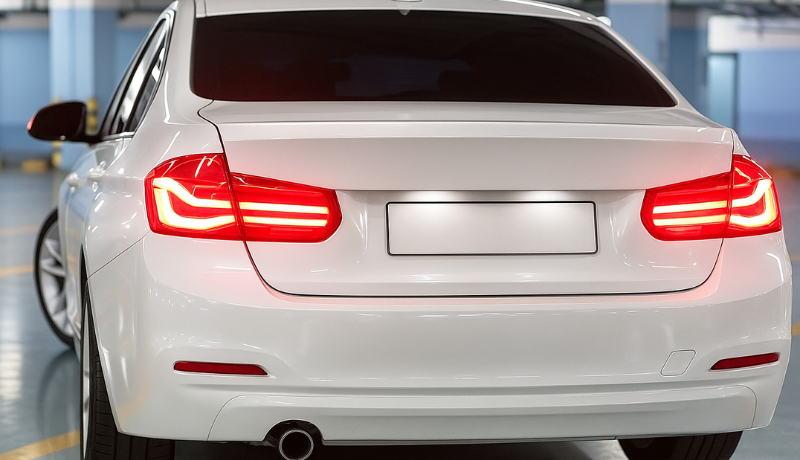
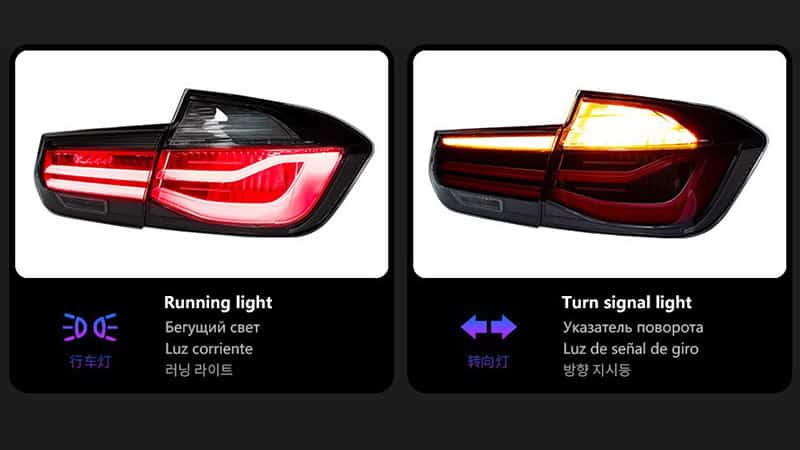
Completely LED assemblies apply LEDs for running lights, brake lights, turn signals, and reverse lights. They’re usually much brighter than ordinary tail lamps and OEM halogen bulbs and much faster to react. For so many owners, just the improved look at night is enough justification.
Sequential Turn Indicators
Sequential indicators light up in a moving sweep rather than standard blinking. They look quick to catch the eye and add a certain flair. Most of these sequential systems are from aftermarket brands, and some cars may need to be installed correctly for use.
Lens Styles Choices
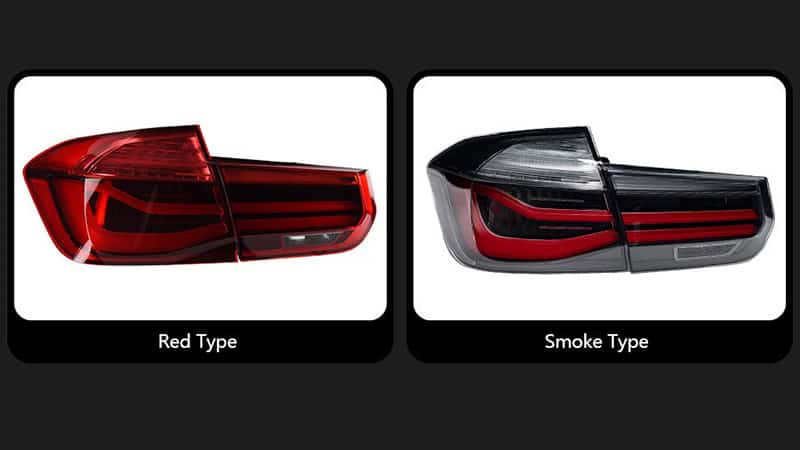
Well-known tail light upgrades are smoked and clear. Smoked lenses tend to darken the vehicle’s appearance and match very well with a black or grey vehicle. On the other hand, clear lenses are classy and bright on a white or silver car.
Fitment and Compatibility
Things to check before buying any upgrade to your taillight.
Confirm Your Body Type
Double-check whether your vehicle is an F30 or F35 because there are minor differences in the trunk design that affect how the light sits and your overall safety. There are too many returns of tail lights because buyers assume both use the same part.
Confirm Your LCI or Pre-LCI Status
The model year is the one that established the shapes and wiring designs. The 2016 refresh totally altered the layout to make older lights nonworking without modifications.
Confirm Your Original Lighting Setup
Some F30 and F35 models came with halogen taillights, while others were equipped with full LED units. If you want to upgrade from Halogen to LED, you might need some coding or other adapters for proper electrical conductivity to ensure a smooth delivery of power. Knowing exactly what you have cuts down on confusion while upgrading.
Wiring and Connectors Inspection
Even plug-and-play lights may behave differently due to internal differences in your car. Many cars show an out-of-warnings indication for the bulb until coding is completed, while most would work just as soon as plugged.
Know the Local Laws
Some areas require amber turn signals or amber reflector type. So make sure to check whether you need amber or white fog lights according to your needs, noting any exceptions based on local regulations. Having the wrong type puts you and your car at risk of troublesome checks from inspection or road checks.
Popular Tail Light Styles
Let us look at some of the most popular upgrade categories you can consider.
OEM Style LED Retrofits
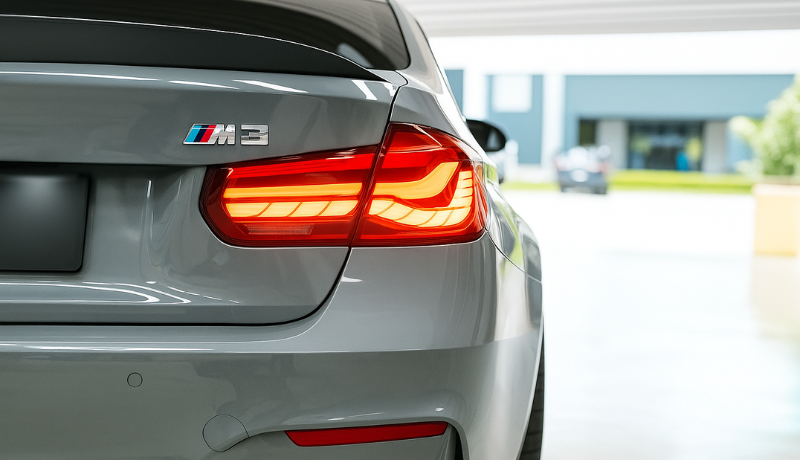
They give you the look of factory BMW lights with much brighter lighting output, with good voltage regulation. For someone wanting a very subtle upgrade, one that retains the original feel, fitment ability has usually been fair due to a very close following of the original design.
GTS and 3D Inspired Lights
These lights are very attention-grabbing and generally feature sequential indicators. They give your F30 or F35 a highly premium and aggressive look. This style is a favourite amongst a lot of people, as it gives the car a nice, fresh, and different touch.
Cheap LED Assemblies
Some budget-style brands have fully LED, really good-looking units. Bright LED bars with great animations are usually put in. Good quality in this type of assembly does vary, so a reputable brand with a reasonable return policy and quantity options is crucial.
How To Install New Tail Lights
Installing new LED taillights is easier than most people think, actually, regardless of the weight of the components.
Removing the Old Lights
The first step in the process, open the trunk, pop off the inner trim panel, and unscrew the hold bolts to release the tail lights. Then unplug the wiring connector. Last, plug out the light from the outside.
Installing The New Tail Lights
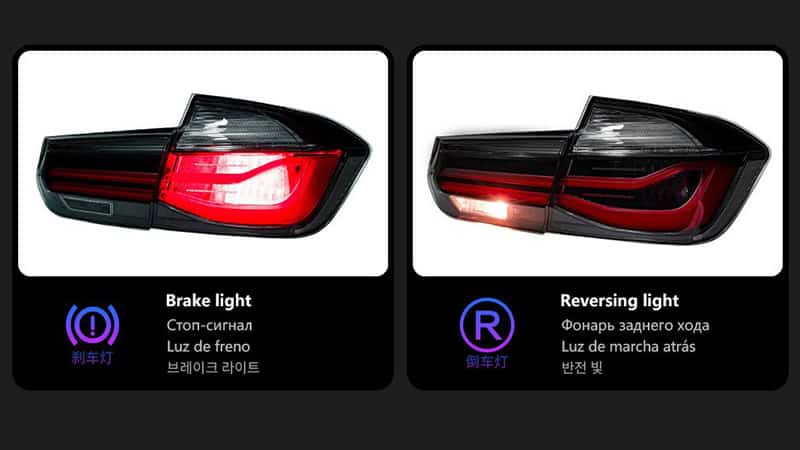
This is where the fun begins. Insert a new light in the same orientation, bolt it in, and connect. Before reinstalling the interior trim, check that all functions of the new taillights work: reverse lights, brake lights, and turn signals.
Coding Requirement
Some cars need coding after installation. So the actual coding will eliminate flickers and warning alerts, allowing the sequential indicator feature on the car. The actual code owners can do on simple phone applications, or they can choose to let the shop do it. You can also use conversion kits.
Troubleshooting Problems
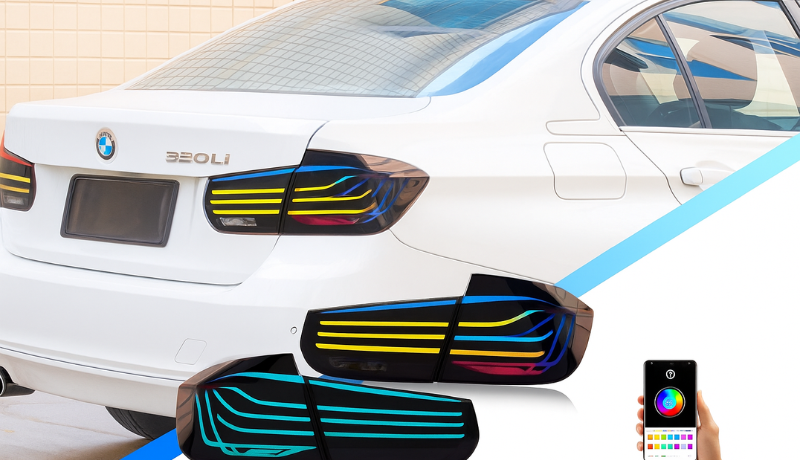
Although very rarely, when the very best of lights have their moments with small problems. Here is what may go wrong and how to handle it.
Condensation or Moisture
If you have fogging on the inside of your lens, that usually means there is a little loose seal going on. Remove the light, dry it out, and put in a bead of sealant. A little condensation in the winter is okay; standing water is not.
Fitment Issues
Fit gap on the light not sitting flush with the body panel is often an indication of the assembly being wrongly seated or that you purchased the wrong model version altogether; double-check before tightening bolts down.
Flickering or Warning Codes
Most often, flickering LEDs and warning codes synchronise with the car’s coding requirements. Some lights will also need a resistor module for a stabilised voltage.
Build Quality Issues
Cheap ones may be made of thin plastics or with weak seals. Cheap lights fade or lose connectors with less electromagnetic compatibility. It will be covered by a good warranty.
Essential Buying Guide
The top two main things to confirm before placing your order are to help finalise your choice.
- Confirm all details regarding your exact model, year, and original lighting setup match the lights you want to order.
- Verify the region-specific legal status of the lights.
Conclusion
F30/F35 rear lights are a relatively easy and fun task and would certainly add some life to your car’s appearance! Just know the model, your car LCI specification, and the original lighting style, as the remaining factors should be focused on while actually making a decision that is going to be best for you.
Light Up Your Drive with Premium BMW F30 F35 Taillights
Upgrade your BMW F30 F35 taillights with premium LED designs from CarlightVision. Get the perfect fit, modern style, and reliable performance today. Shop now and give your BMW the lighting upgrade it deserves.
FAQs
Q1: Can Pre-LCI be fitted on an LCI car?
Definitely not. Major dissimilarities in shapes and wiring were noted, so proper installation between the two cars did not occur. Retrofits do exist, but they would need extra adapters and a bit more work.
Q2: Is coding required for new light?
Some lights are plug-and-play, in which case they will be operational right after installation. Others will require coding in order to resolve certain warnings or gain features. Sequential indicators or halogen to LED conversion are the more common situations where coding is required.
Q3: Are Sequential Indicators Always Legal?
It’s a yes or no, depending on your area. In some countries, such indicators are allowed for any vehicle, while others are restricted by specific conditions of colour, brightness, or pattern. In most countries, LEDs are legal to use.
Q4: How Do I Know If I Have Halogen or LED?
Halogen taillights usually appear with visible bulbs behind the lens. LED lights shine as brightly as bars or panels when on.