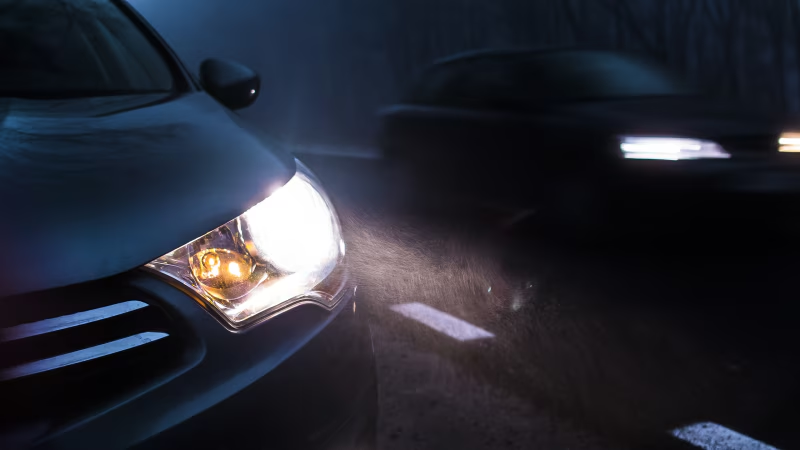
When you switch between your low beams and high beams, you definitely notice a visible difference in beam outputs. The high beam is brighter and travels far and wide, while your low beam sticks to the road in front and keeps it low. That’s because your two beams, specifically the bulbs, are built differently, and they function differently as well.
Your high beam comes from a 9005 bulb, and the low beam streams out of a 9006. Although they look similar at first glance, they have unique builds that prevent casual swapping between them. It means they are built uniquely to each other so that they only fit in their dedicated slots.
So, what are these differences? Why shouldn’t you just mount a 9005 on a 9006 slot? Let’s explore their distinct features and find out!
9005 vs 9006: Understanding Headlight Bulb Types
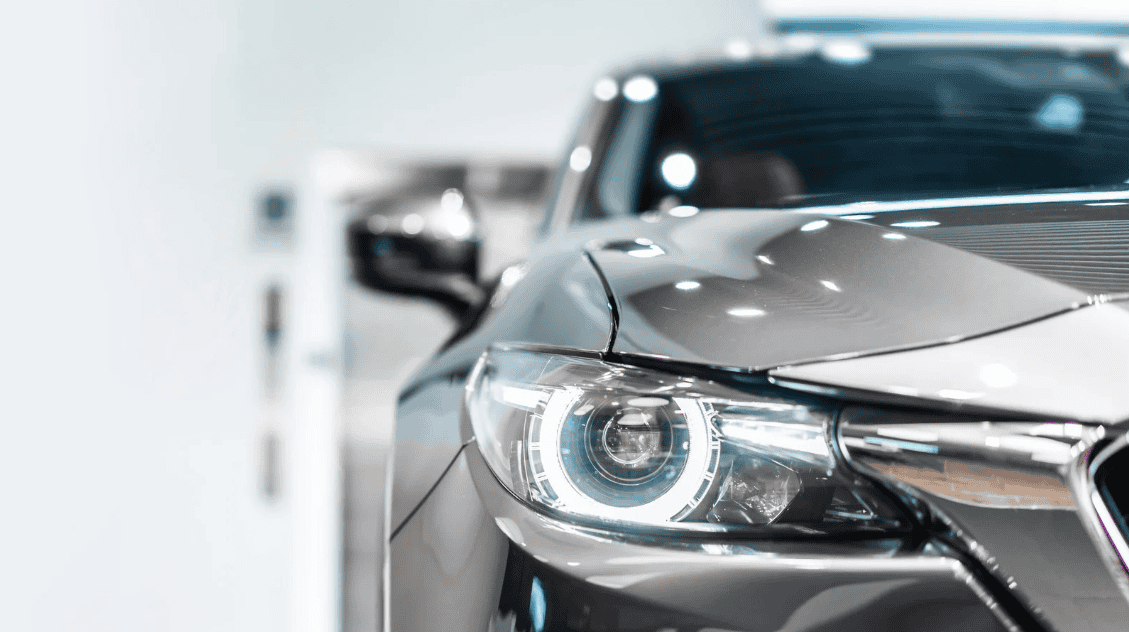
9005 (HB3) bulbs are engineered for high-beam headlights running at 65 watts, while 9006 (HB4) bulbs operate at 55 watts for low-beam applications. Before evaluating their individual designs, you need to understand the structural differences between standard halogens and modern LED conversions.
As an automotive lighting technician with about 20 years of retrofit experience, I see thousands of drivers purchase the wrong bulbs every year simply because the 9005 and 9006 bulbs look almost identical.
Before we go into the details, it’s essential to understand what the headlight bulb models are and how they function. Halogen bulbs, LED bulbs, HIDs, and Lasers are the most dominating technologies in the headlights market. However, we’ll only discuss the Halogen and LED bulbs for this comparison.
1. 9005 vs 9006 Technical Comparison Table
| Technical Dimension | 9005 (HB3) High Beam | 9006 (HB4) Low Beam | Engineering Insight |
|---|---|---|---|
| Primary Application | High Beam Only | Low Beam / Fog | Controls your beam distance vs. width. |
| Halogen Power & Output | 65 Watts / ~1,700 Lm | 55 Watts / ~1,000 Lm | 9005 draws more current and runs hotter. |
| LED Upgrade Potential | Up to 6,000+ Lumens | Up to 6,000+ Lumens | Both sizes achieve massive leaps with LED chips. |
| Base Indexing (Socket) | P20d Base | P22d (90° Angled) | Locking tabs are cut at different angles. |
| Internal Plug Pin Guides | Double Center Slots | Single Center Slot | Sockets physically block cross-plugging. |
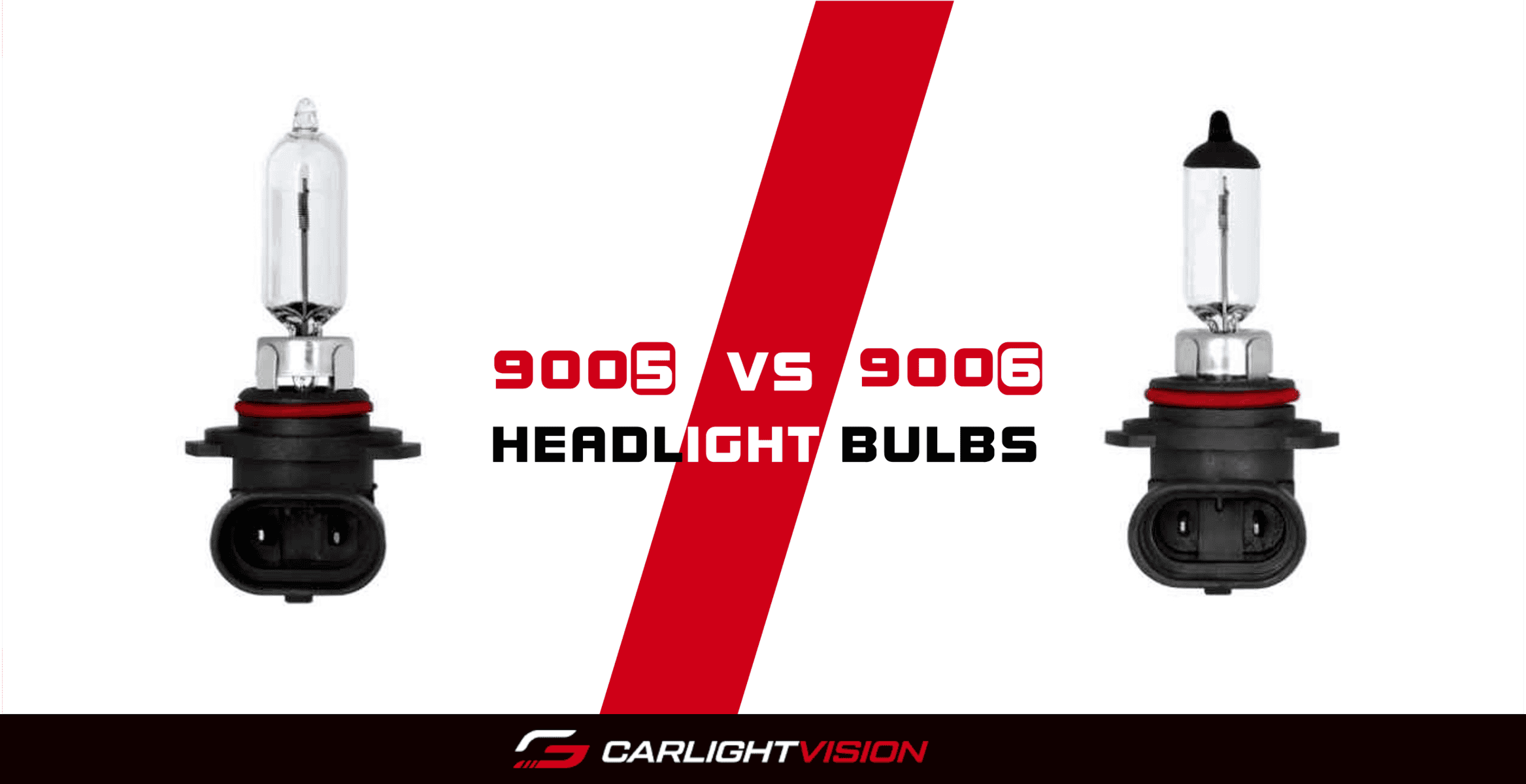
| Stray Light Control | None (Clear Glass) | Black/Grey Top Cap | 9006 uses a top mask to prevent glare. |
| DIY Interchangeability | No (Requires Trimming) | No (Not Recommended) | Modifying bulbs causes blinding beam scatter. |
2. What is a Halogen Headlight Bulb and How Does It Work?
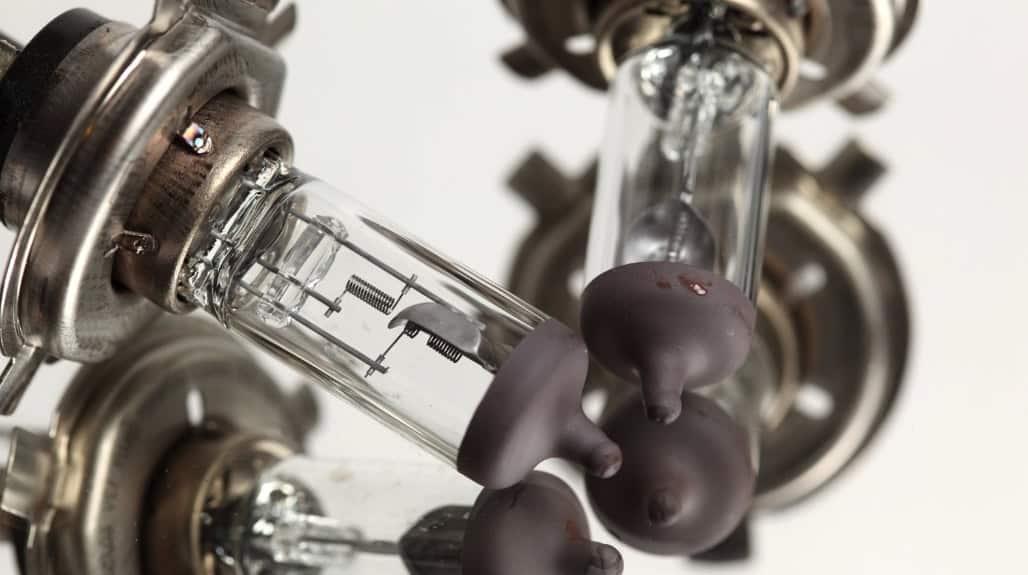
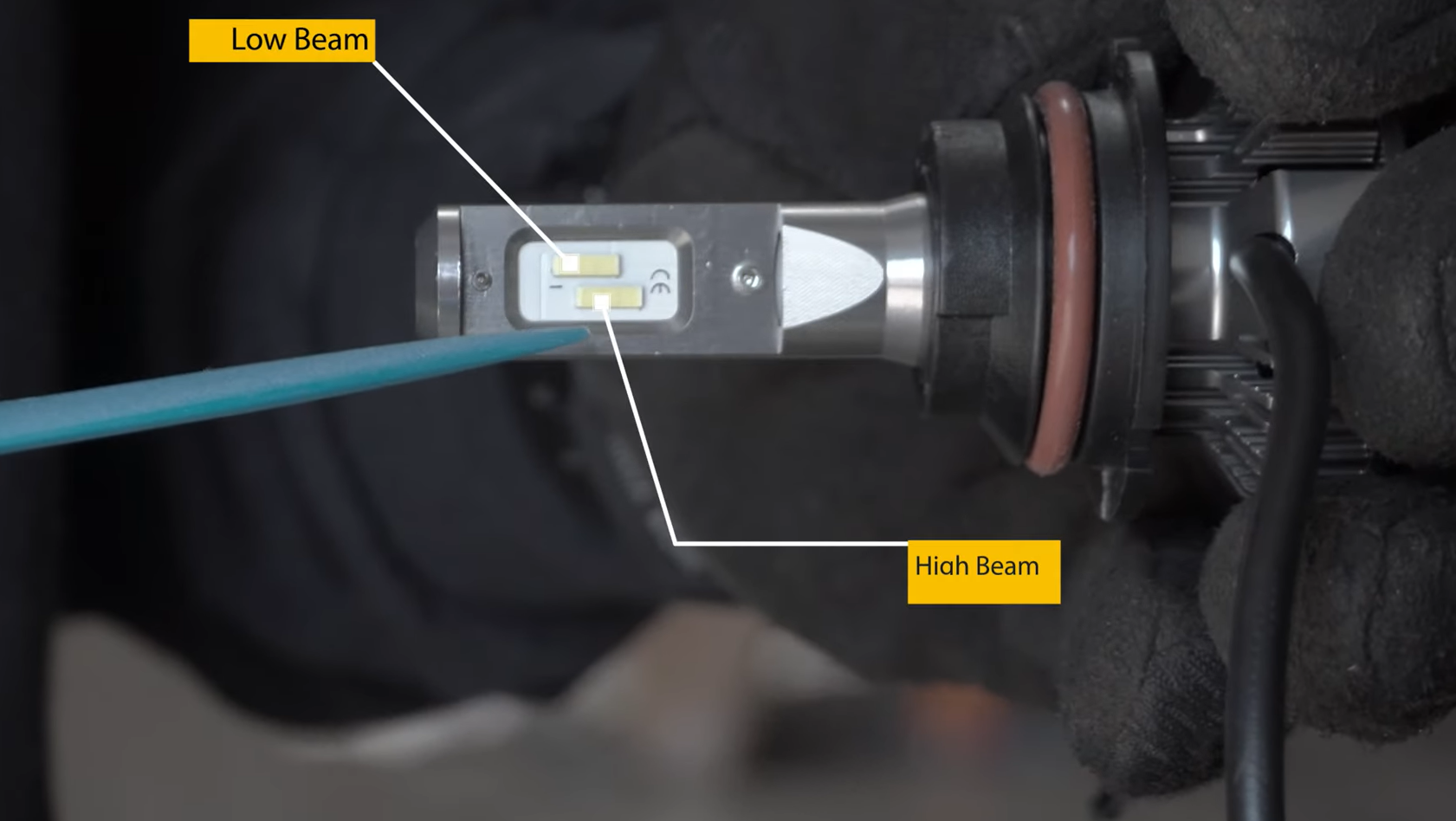
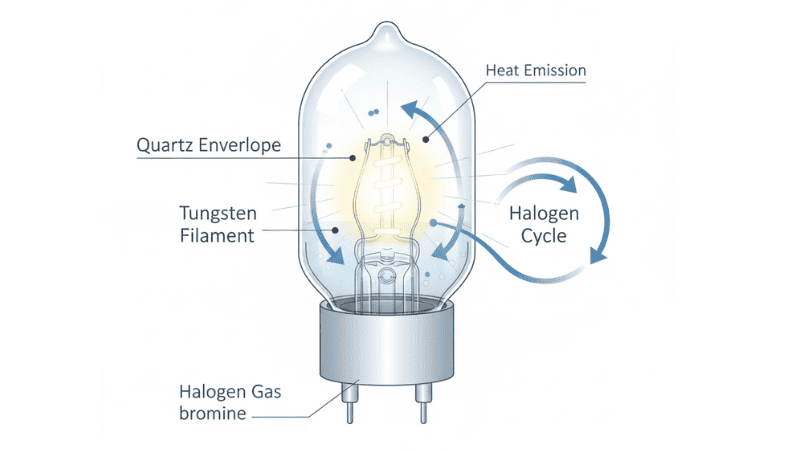
A halogen headlight bulb is a budget-friendly automotive light with a tungsten filament in halogen gas, producing yellowish-white light (~3000K) and lasting 450–1,000 hours. It’s easy for you to install, widely available for your vehicle, but it uses more power, generates heat, and needs frequent replacements compared to LEDs or HIDs.
Key Characteristics
- Colour Temperature: Approximately 3000K, producing a yellowish-white beam.
- Lifespan: Generates between 450 and 1,000 hours of light under standard driving conditions.
- Materials: Built with quartz glass containing trace amounts of iodine or bromine gas.
- Energy Draw: Converts standard vehicle voltage into light while dispersing thermal heat.
Advantages
- Low Purchase Cost: Budget-friendly to replace when your bulb burns out.
- Wide Availability: You can find replacements at any local auto parts store.
- Simple Installation: A direct plug-and-play process that requires no specialised tools.
Disadvantages
- High Power Consumption: Draws more vehicle electricity compared to newer technologies.
- Shorter Lifespan: Requires more frequent replacements than LED or HID upgrades.
- Heat Generation: Emits high thermal temperatures inside your headlight housing.
3. What is an LED Headlight Bulb and How Does It Work?
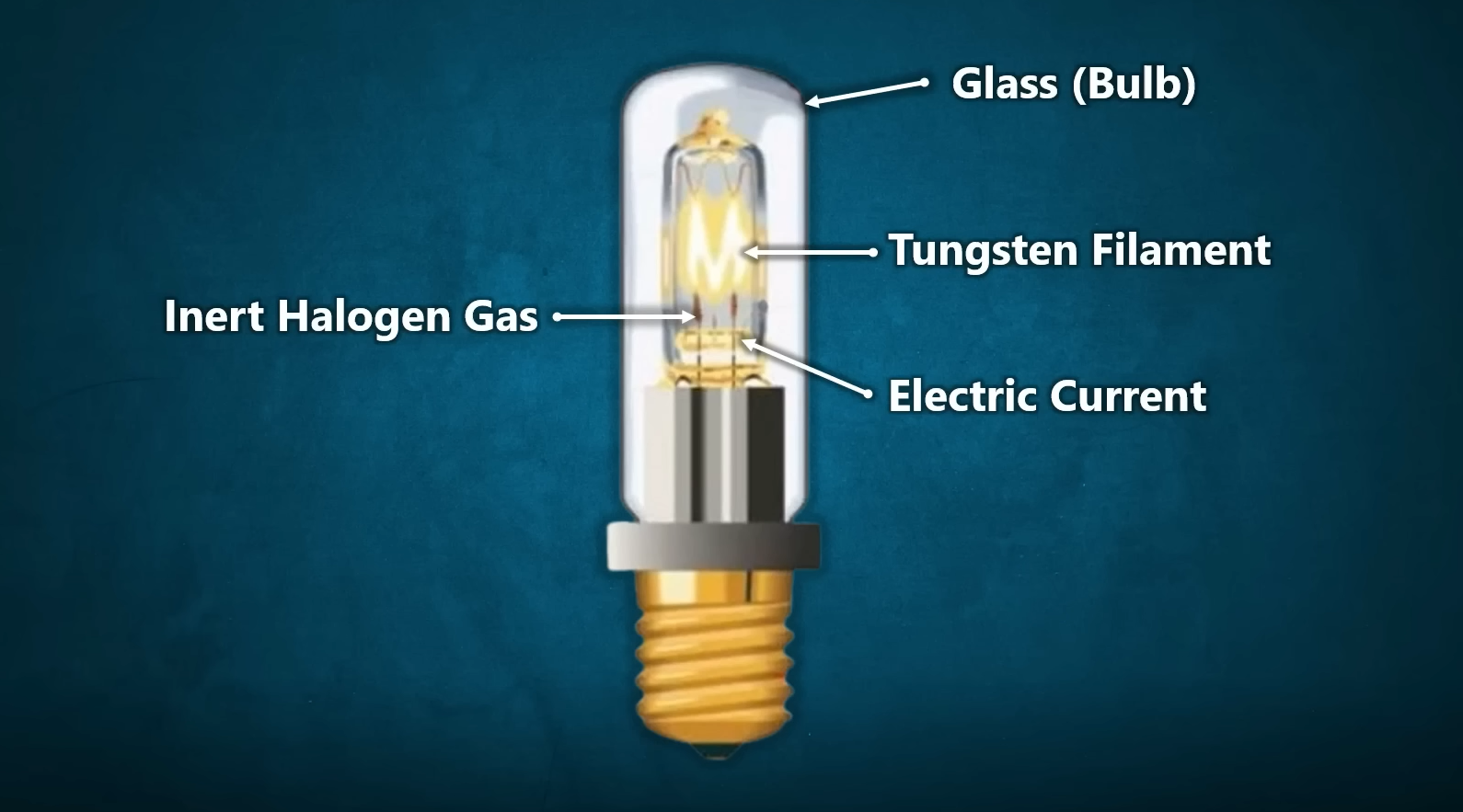
Your LED (Light Emitting Diode) headlight bulb is a solid-state lighting source that passes electric current through a semiconductor to release photons and create light.
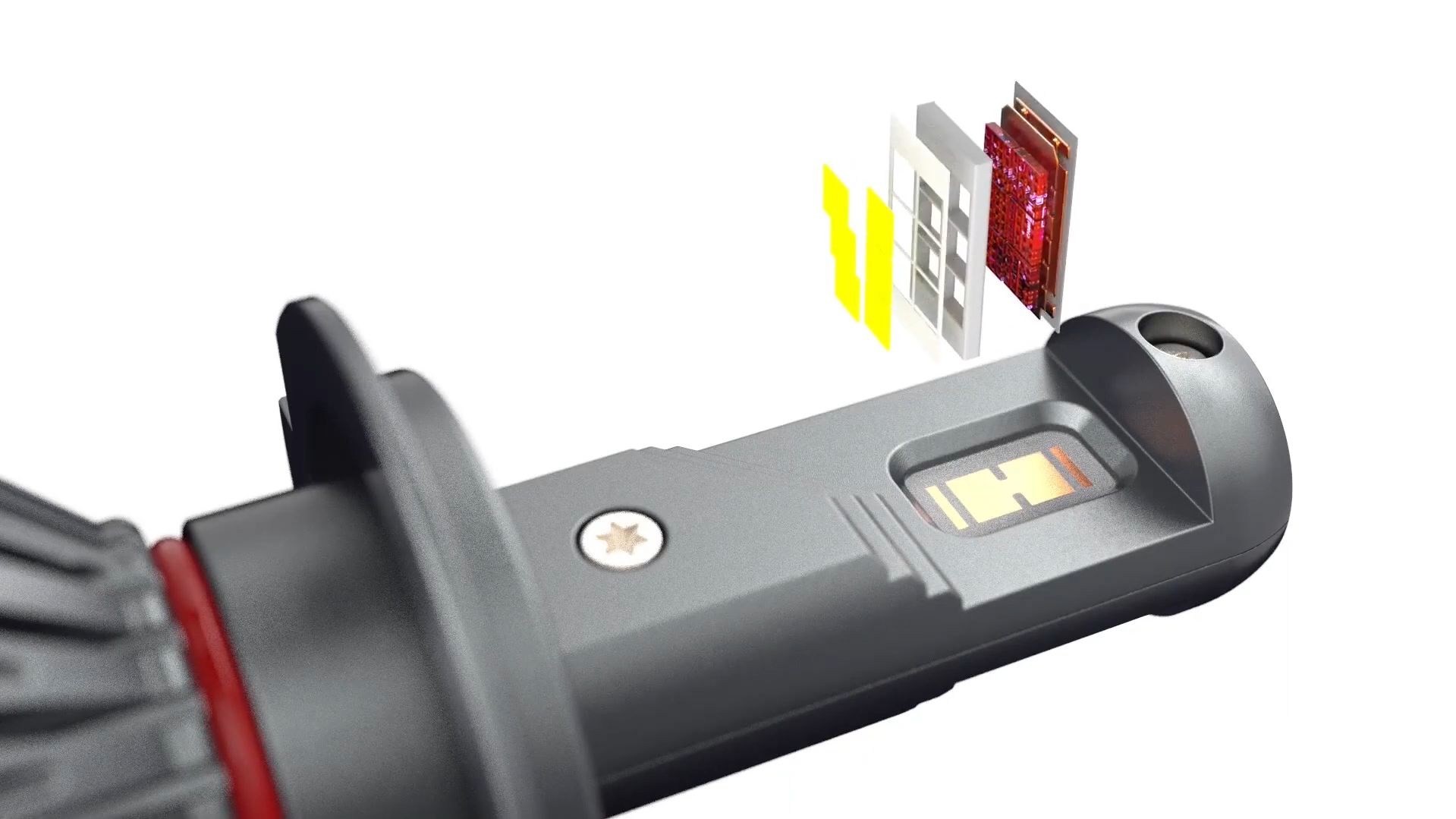
This process utilises efficient CSP (Chip Scale Package) LED chips and relies on an aluminium or copper heat sink to dissipate thermal energy. A built-in or external driver regulates your vehicle’s power supply, ensuring stable light output without burning out a physical filament.
LED (Light Emitting Diode) technology was first developed in the 1960s, but it wasn’t until the 2000s that LEDs became practical for automotive use. With advancements in efficiency and performance, LED headlight bulbs have rapidly become a favoured choice among drivers.
Key Characteristics
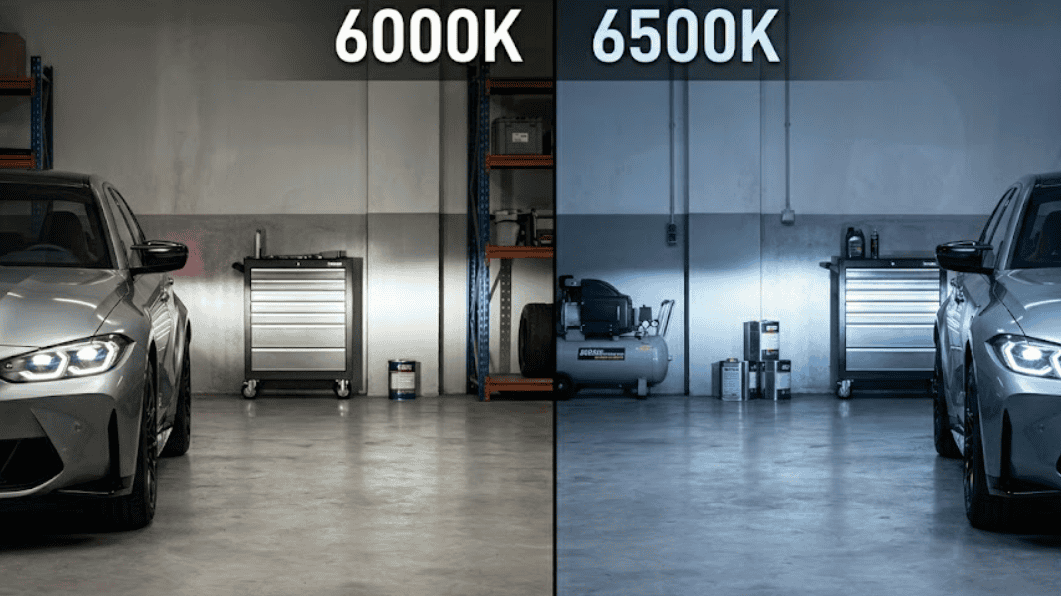
- Colour Temperature: 5000K to 6500K, projecting a crisp white beam that matches daylight.
- Lifespan: Delivers 30,000 to 50,000 operational hours under normal driving conditions.
- Beam Pattern: Engineered with a 360-degree light-emitting placement to match your factory housing reflections.
- Durability: Resistant to road vibrations and shocks due to the absence of delicate moving parts.
Advantages
- Extended Lifespan: Reduces your replacement frequency compared to factory halogens.
- Low Power Consumption: Draws less electrical wattage from your car’s battery and alternator.
- Enhanced Visibility: Increases your visual range on dark roads via high lumen output.
Disadvantages
- Higher Upfront Cost: Requires a larger initial investment than halogen bulbs do.
- CAN Bus Conflicts: May require an extra adapter to eliminate dashboard error codes or flickering.
- Complex Heat Management: Demands adequate rear clearance for the integrated cooling fan or heat sink.
4. Can You Modify a 9005 Bulb to Fit a 9006 Socket?
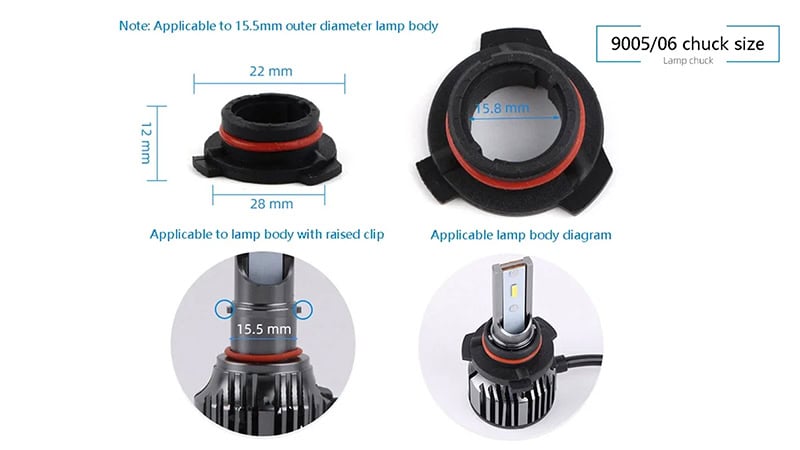
Many DIY enthusiasts try to file down the plastic locking tabs of a 9005 bulb to force it into a 9006 low beam socket because 9005 is natively brighter (65W vs 55W). From an engineer’s perspective, we highly advise against this.
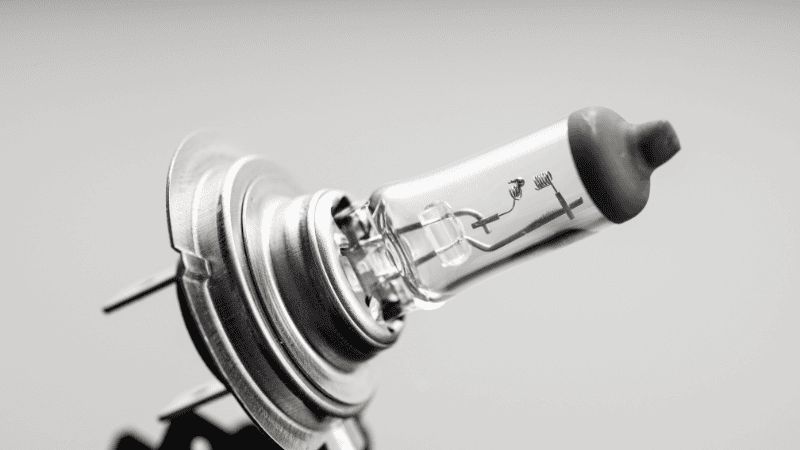
Glare Hazard: The 9006 bulb has a black painted tip (lumen limiter) to block stray light from blinding oncoming drivers. The 9005 has a clear tip. Putting a modified 9005 into a low-beam housing creates a dangerous glare and could get you a traffic ticket.
Thermal Risk: Standard 9006 wiring harnesses are rated for 55W. Forcing a 65W 9005 halogen bulb to run on it can overheat your factory wiring and melt the plastic housing.
The Solution: If you want 9005 brightness in your 9006 low beam, do not hack the bulb. Upgrade to a 9006 LED bulb, which outputs up to 6000 lumens safely at a lower wattage.
Is 9005 or 9006 a high or low beam?
1. Low Beams
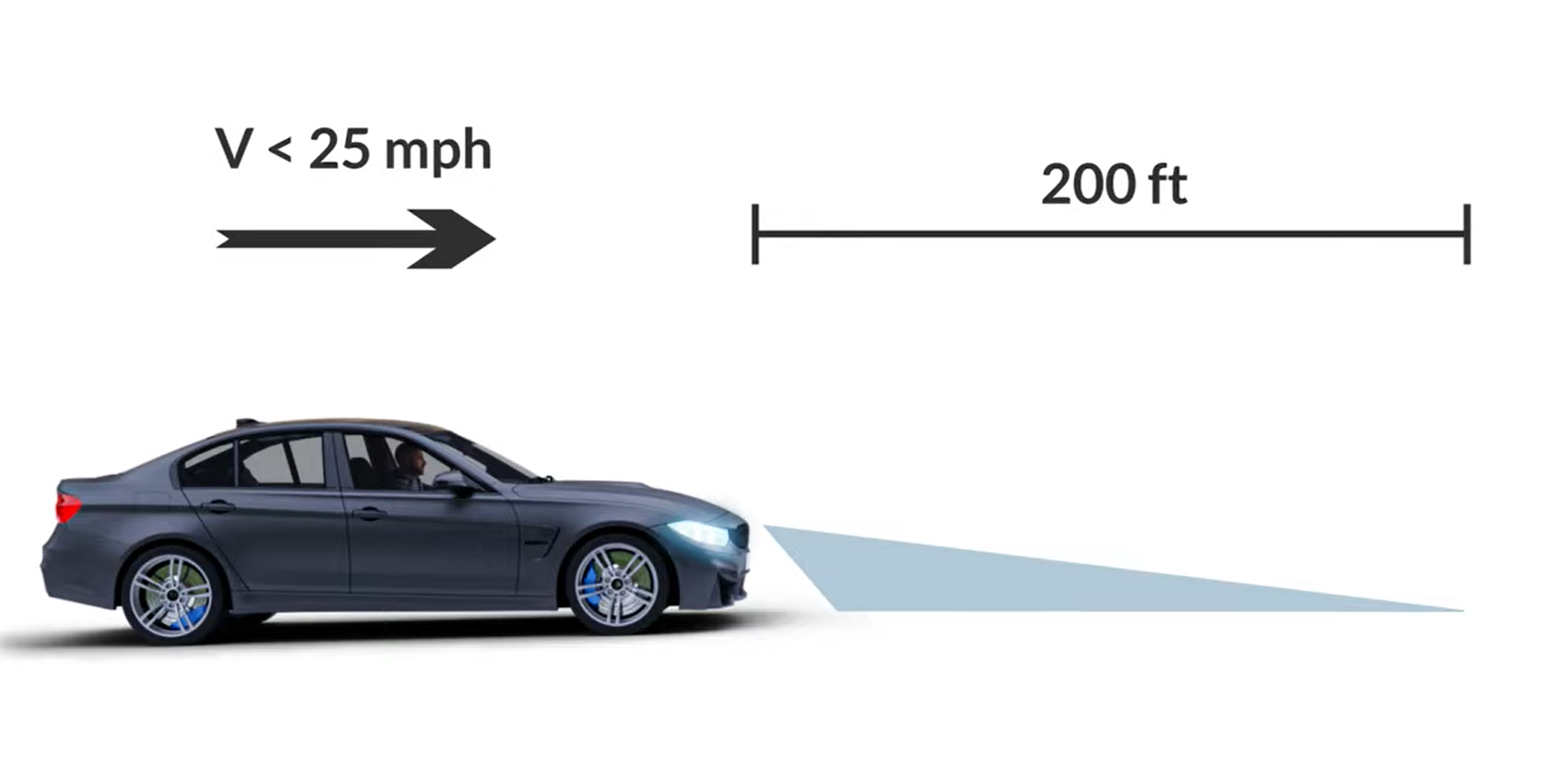
The 9006 bulb, also known as HB4, is widely used as both a low beam bulb and a fog light. These bulbs are engineered to produce a concentrated beam of light that bounces off the reflector and illuminates the road directly in front of the vehicle. This focused beam of 9006 bulbs makes sure that the driver can see the road clearly without causing glare for oncoming drivers.
Low beams are crucial for urban driving and well-lit roads, providing the necessary visibility without blinding oncoming traffic. Designed to focus light directly on the road ahead, they ensure safe driving while minimising glare.
2. High Beam
The 9005 bulb, also known as HB3, is commonly used in high beam headlights. These bulbs are designed to project a powerful, focused beam of light that covers a long distance, making them ideal for use in situations where maximum visibility is required.
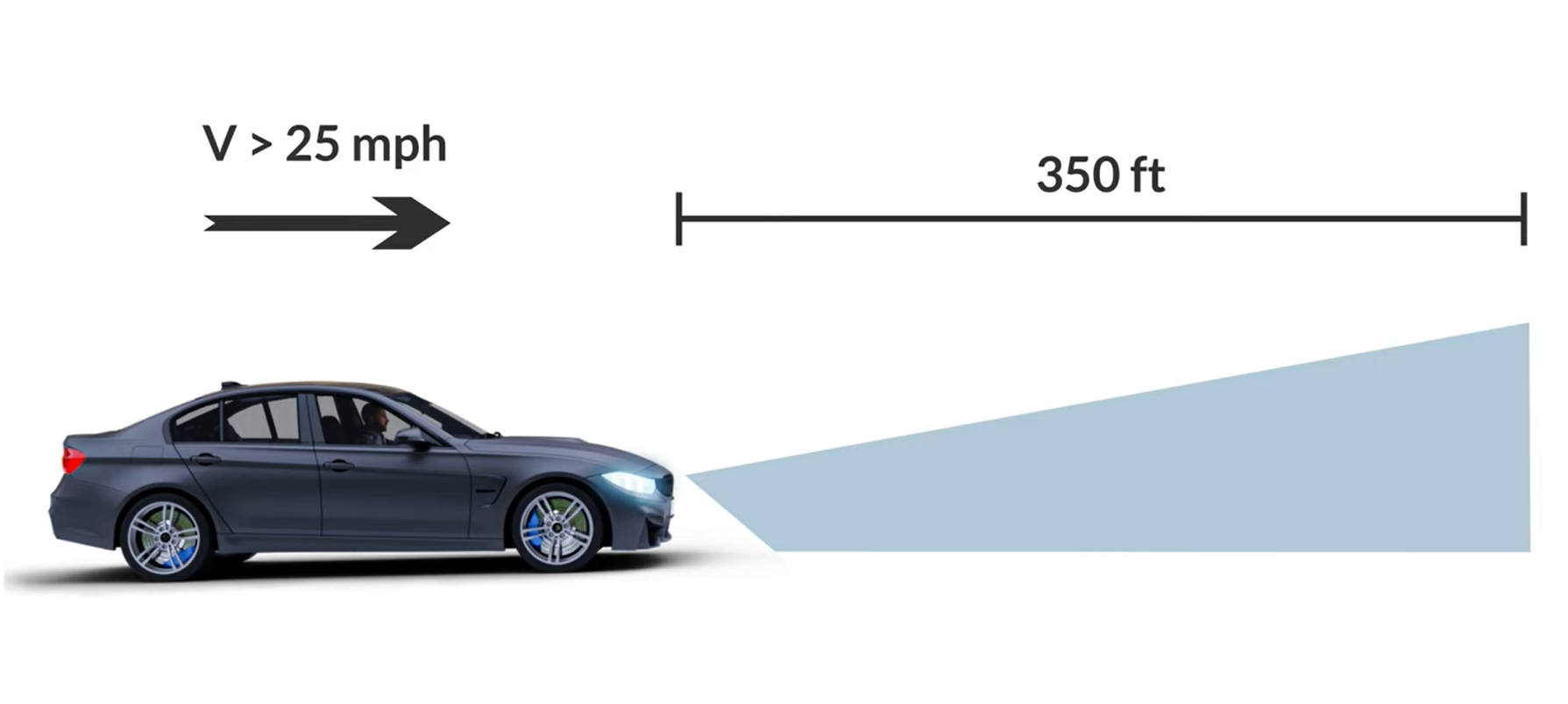
They provide a significantly brighter light that illuminates the road far ahead of the car. This increased visibility allows drivers to spot obstacles, road signs, and potential hazards from a greater distance for increased safety during nighttime or low-visibility conditions.
9005 vs 9006 Headlight Bulbs
This comparison is based on tried-and-tested automotive lighting knowledge, insights from professional headlight installers and engineers, and real-world experience working with thousands of vehicles.
Every point here reflects authentic insights and unique opinions from our experts, backed by years of hands-on experience, technical credentials, and verified lab tests, giving you trustworthy guidance for your car.
Brightness and Wattage
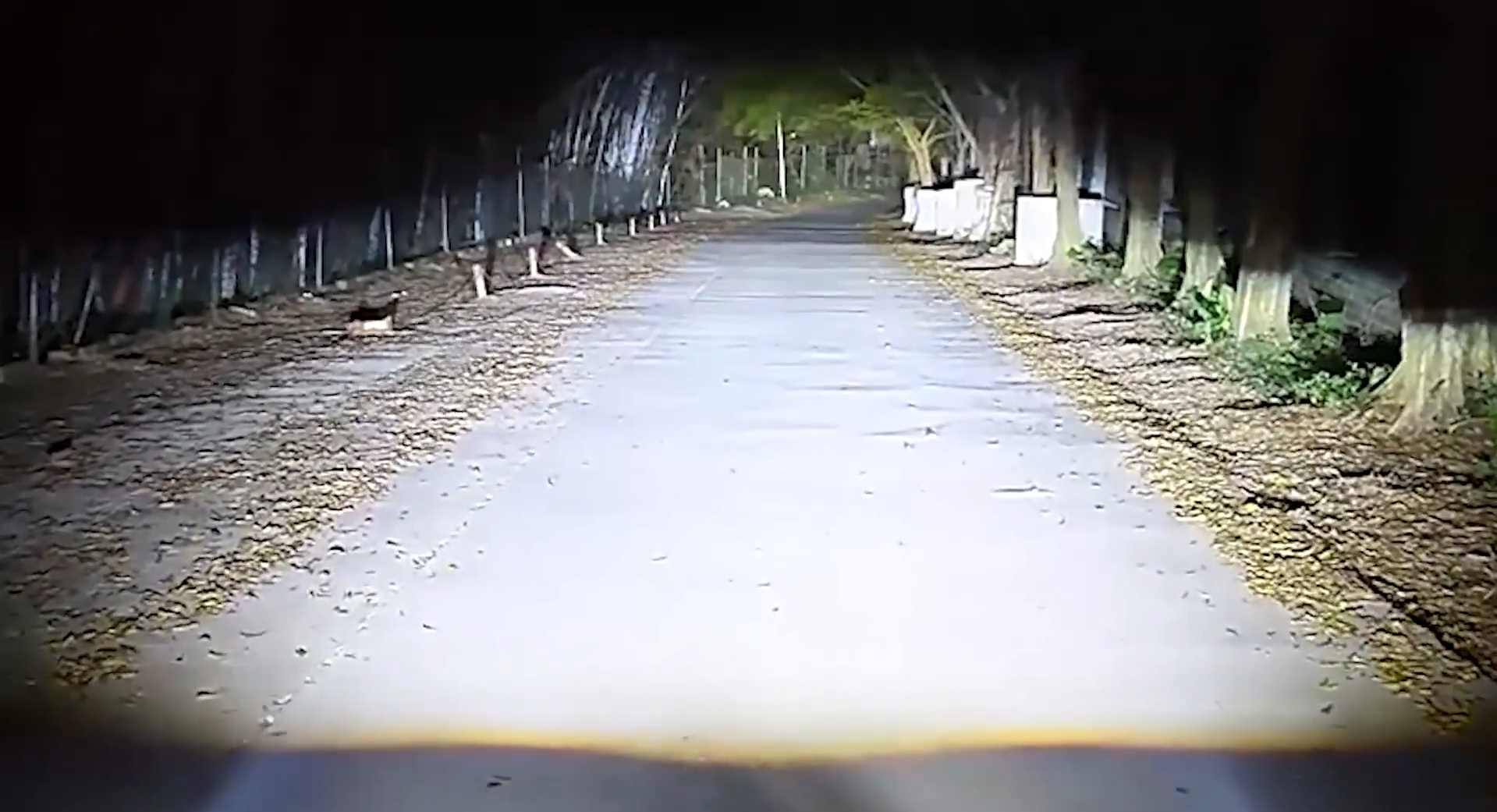
9005 bulbs are brighter and draw more power than 9006 bulbs, making them best for long-distance high-beam driving, while 9006 bulbs are dimmer, more energy-efficient, and suited for low-beam urban use. This advice is based on our tested lumen output data and standard automotive specifications.
- 9005: 1,700–2,000 lumens, 60–65W, high beams for unlit or rural roads.
- 9006: 1,000–1,500 lumens, 51–55W, low beams for city or well-lit roads.
- Expert Insight: Using 9005 in high-beam applications gives you a significant improvement in reaction time on dark roads compared to 9006.
Beam Type and Colour Temperature
9005 provides a focused, long-range high beam, while 9006 delivers a softer, downward low beam to reduce glare and protect oncoming drivers.
- 9005: Straight-ahead beam; 5,000–6,000K bright white for clear visibility at night.
- 9006: Downward beam; ~4,100K softer white to prevent glare and improve contrast in urban driving.
- Tried-and-Tested Advice: Align your 9005 correctly in your reflector or projector housing to maximise your road visibility and safety.
Lifespan and Applications
9006 bulbs last longer due to more frequent low-beam use, whereas 9005 is optimised for occasional high-beam scenarios where you need maximum reach.
- 9005: ~400 hours halogen; ideal for high beams, rural roads, and selective fog light use.
- 9006: ~1,000 hours halogen; best for low beams and fog lights in city or adverse weather.
- Unique Opinion: For your nighttime rural driving, 9005 LEDs provide a noticeable advantage over 9006 in beam distance and clarity.
Build, Base Type, and Compatibility
9005 and 9006 have different bases and designs; you cannot swap them without modifying your car. Installing the correct bulb ensures your lights perform safely and legally.
- 9005: P20d base for high beams; no glare-limiting cap.
- 9006: P22d 90° base for low beams; includes a glare-reducing cap.
- Professional Tip: Always check your vehicle’s manual or use a verified bulb finder to match the right base for your exact make and model.
How to Choose the Right Headlight Bulb
To choose the right headlight bulb for your car, you should check your vehicle’s manual, verify your bulb type with the manufacturer or trusted online tools, consider your driving conditions, and ensure compatibility with your connectors and sockets.
This approach guarantees that your new bulbs fit correctly, provide optimal visibility, and operate safely.
1. Check Your Vehicle Manual
- Your manual specifies the exact bulb types for low and high beams, helping you avoid errors.
- Following it ensures your bulbs fit and function safely in your car.
- Always confirm your vehicle’s year, make, and model to match the recommended bulb.
2. Use Manufacturer or Online Tools
- Most manufacturers provide online search tools where you can enter your car’s details to find the correct bulb.
- Trusted databases like Carlightvision can verify your bulb choice and ensure compatibility with your sockets.
- These tools reduce the risk of buying incompatible bulbs for your vehicle.
3. Consider Your Driving Conditions
- Urban driving: Low-beam bulbs like 9006 offer adequate visibility without glare, keeping your driving safe in well-lit areas.
- Rural or dark roads: High-beam bulbs like 9005 provide a focused, long-range beam to improve your visibility at night.
- If you drive in both conditions, use low beams in the city and switch to high beams on dark roads.
4. Check Connector and Socket Compatibility
- 9005 bulbs use a P20d base for high beams; 9006 bulbs use a P22d 90° base for low beams.
- You cannot replace a 9005 with a 9006 without modifying your sockets.
- Inspect your current bulbs and compare your bases and connectors to ensure proper fit.
5. Compare Bulb Type and Performance
- Halogen bulbs: Lower cost, shorter lifespan, dimmer output for your driving needs.
- LED bulbs: Brighter, longer-lasting, energy-efficient, and better for your night vision.
- Consider colour temperature and beam pattern to match your driving conditions and style.
6. Make an Informed Decision
- Prioritise your driving environment and safety when selecting bulbs.
- Choose bulbs that fit your vehicle, align correctly, and provide the optimal beam for your roads.
- Using certified parts and verified specifications ensures your headlights perform reliably and safely.
Where Can I Buy Carlightvision 9005 / 9005XS LED Headlight Bulbs Online?
To guarantee you receive genuine products equipped with our latest CSP chip tech and premium warranty protections, always source your bulbs directly through the official Carlightvision channel.
For Fleet & Wholesale Customers: Click our “Contact Us” form below to request custom bulk pricing, localised compliance certification documents, and fitment cross-reference support for your entire commercial fleet.
FAQ
Q1: 9005 headlight bulb fits what cars?
9005 bulbs fit many modern cars for your high beams, including Honda, Toyota, Ford, and Nissan. They have a P20d base, so always check your car’s manual or current bulb. You can also use Carlightvision to quickly find the correct bulb for your vehicle.
Q2: Brightest 9005 LED headlight bulb?
The brightest 9005 LEDs use CREE or Philips chips with active cooling or solid heat sinks. They deliver 5,000–6,000 effective lumens, giving you clear long-range visibility. Make sure your headlight housing can handle the size and wattage. Verified options are available on Carlightvision.
Q3: Are 9005 and 9006 interchangeable?
No, 9005 and 9006 are not interchangeable. 9005 is for your high beams, 9006 is for your low beams, and they have different bases and angles. Using the wrong bulb reduces your visibility and may blind other drivers. Check compatibility for your car at Carlightvision.
Q4: Is 9005 or 9006 a high or low beam?
9005 bulbs are high beams that light the road far ahead for your night driving. 9006 bulbs are low beams that provide close-range light for your city or well-lit driving. Confirm your bulb type on Carlightvision to make sure your lights are correctly installed.
Q5: What are the main differences between HB3 and 9005 LED headlight bulbs for cars?
There’s no functional difference; HB3 is the international name for 9005. Both have a single-filament design, a P20d base, and similar lumen output. Choosing the right HB3/9005 LED ensures your car gets the brightness and fit you need. Use Carlightvision to select bulbs that work for your vehicle.
Q6: Which HB3/9005 LED bulbs are best for brightness and longevity for everyday driving?
The best HB3/9005 LEDs for your daily driving use are premium CREE, Philips, or Osram chips with active cooling or solid heat sinks. They provide 5,000–6,000 effective lumens and can last up to 50,000 hours, giving you reliable, bright light every night. Check Carlightvision for compatible, high-quality bulbs for your car.