Have you ever noticed your turn signal flashing fast on the dashboard and wondered why your turn signal is blinking fast? It’s not just annoying, it’s a warning sign from your car’s electrical system.
This article explains why fast blinking happens, how it affects the safety of other drivers and oncoming traffic, and the steps B2B buyers, distributors, and workshops can take to fix it efficiently.
Why Is My Turn Signal Blinking Faster & What Does It Mean?
A fast-blinking turn signal usually means there is a problem in your vehicle’s electrical circuit, most commonly a burned-out bulb, low resistance, or an LED upgrade. This is your car’s way of warning you that your turn signal system needs attention.
A turn signal flashing fast usually indicates a problem within the circuit. Many vehicles are designed so that the flasher relay monitors the electrical load generated by the turn bulbs. If the load drops below a certain level, the system increases the blinking speed as a warning signal.
In many vehicles, a turn signal light blinking fast is a built-in alert that the system has detected lower resistance than expected. This typically happens when one of the turn signal bulbs is burned out. When a bulb fails, the circuit draws less power, causing the relay to speed up the blinking rate.
However, a fast blinking signal is not always caused by a failed bulb. Other contributing factors include socket corrosion, poor grounding, or a failing flasher relay. In newer, more advanced vehicles, the body control module (BCM) may detect electrical system faults and trigger hyperflash on one or both sides.
LED upgrades are another common cause. Since LED headlight bulbs consume less power, they can mimic the symptoms of a failed bulb, even when functioning correctly. This is why drivers often notice fast blinking immediately after installing LED bulbs.
Common Causes of Hyper Flash
Knowing the causes of hyperflash helps fleet managers and owners take the necessary actions to fix the issue of the turn signal flasher blinking fast. Some of the common causes of hyperflash include:
1. Burnt-out turn signal bulb
The most common cause of fast blinking is a burnt-out bulb. When a bulb fails, the circuit’s resistance decreases, and the flasher relay increases the blinking speed. This issue usually affects only one side of the vehicle.
For example, if the right signal is flashing fast, it means that either the front or rear bulb on the right side has failed. Replacing the faulty bulb with a new bulb fixes the issue immediately. For better results, use the correct wattage and the specified bulb type for that vehicle.
2. LED bulb upgrade
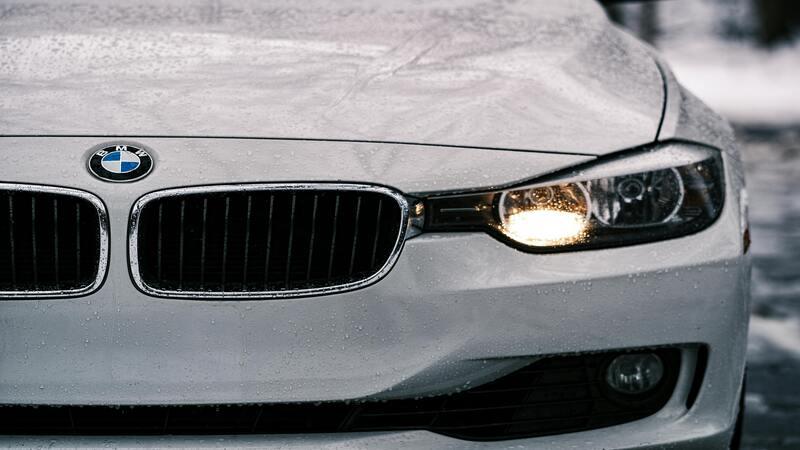
As mentioned earlier, LED headlights are now widely used due to their energy efficiency and longer lifespan. However, these bulbs consume less power, which can create compatibility issues with traditional flasher relays.
Since LEDs draw less current, the relay may misinterpret this as a system fault. As a result, the turn signal begins to blink rapidly even when the lights are on and functioning properly.
This issue is especially common in aftermarket conversions, where standard halogen bulbs are replaced with LED alternatives without adjusting the system.
3. Bad socket or ground
Another cause of fast blinking turn signals is a poor ground connection or a damaged socket. Corrosion, moisture, or heat damage may result in an improper connection between the bulb and the socket. A loose or failing ground wire can cause a voltage drop, leading to inconsistent performance.
In such cases, the signal may flicker, appear weak, or stop working entirely. Regular inspection and cleaning of sockets can prevent these issues from turning into serious faults.
4. Faulty Flasher Relay / BCM
In older vehicles, the flasher relay is the main component that controls the blinking speed. Over time, the relay can wear out, leading to irregular blinking patterns.
In newer and more advanced vehicles, the body control module manages the entire signaling system. A faulty module can cause both signals to blink rapidly. Low-quality aftermarket LED bulbs and unstable CAN bus drivers are also common causes of repeated hyper flashing, especially in modern vehicles with sensitive electronics.
How To Fix Turn Signal Blinking Fast?
A step-by-step approach that fleet managers and vehicle owners can take to fix a fast-blinking turn signal is given below:
Step 1: Replace the Failed Bulb
Start by checking all turn signal bulbs, including front, rear, and any connected turn lights. A burnt-out bulb is the most common cause of fast blinking. Remove the faulty bulb and install a new bulb that matches the vehicle’s specifications.
Always ensure proper fitment and secure installation. Once replaced, test the signals to confirm normal blinking speed.
Step 2: Clean the Socket
If replacing the bulb does not solve the problem, inspect the socket. Dirt, corrosion, or moisture buildup can interfere with the electrical connection. Use a suitable contact cleaner to thoroughly clean the socket. If the socket is melted or damaged, replace it to ensure long-term reliability.
Step 3: Fix LED Hyperflash
For vehicles experiencing fast blinking due to LED upgrades, several solutions are available:
- Install a load resistor to increase circuit resistance
- Use CANbus-compatible LED bulbs designed for direct replacement
- Replace the flasher relay with an LED-compatible version
An LED flasher relay offers the most efficient and long-term fix for LED hyperflash.
Step 4: Check Wiring and Ground
Next, inspect the wiring harness for any damage, loose connections, or wear. A bad ground connection can cause unstable voltage and rapid blinking. Ensure all connectors are secure and properly connected. Repair or replace damaged wires as needed to restore proper circuit function.
Step 5: Test Relay or Module
If the issue still exists, test the flasher relay or the body control module. In older vehicles, swapping the relay with a known working unit is a quick way to troubleshoot the problem. For modern vehicles, use a multimeter to check voltage and continuity.
If the module is faulty, replacement may be required. In such cases, professional assistance from a mechanic is recommended.
Why LED Turn Signals Blink Fast After Upgrading
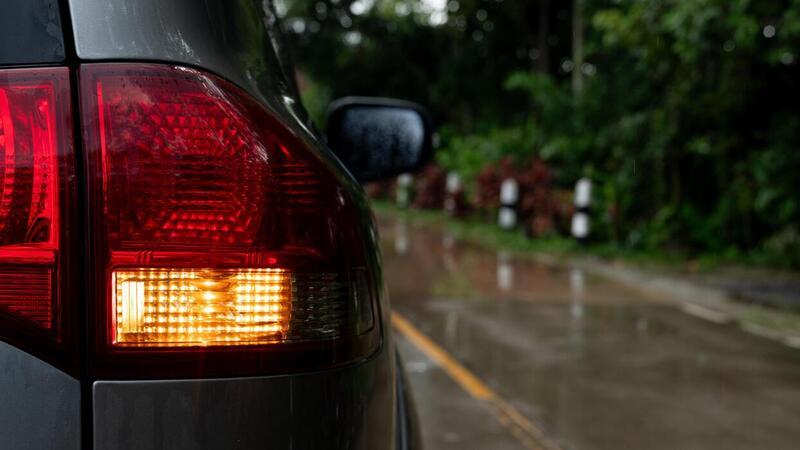
As mentioned earlier, LED turn signals often blink fast after installation because they consume much less power than traditional halogen bulbs. The flasher relay is designed to detect a specific electrical load, and when it diagnoses a load lower than expected, it analyses the situation as a fault.
This can lead to hyper flashing even when the LED bulbs are working correctly. The issue is commonly found in vehicles not originally designed to use LED bulbs.
There are several ways to address this problem:
- Load Resistors: Used to mimic the power draw of halogen bulbs
- CANbus LED bulbs: Built with internal resistance for better compatibility
- LED flasher modules: Replace the standard relay to ensure proper operation
- Custom signal boards: Used in specialized and high-end applications
It is important to note that plug-and-play resistors and CAN bus bulbs are popular aftermarket choices. However, for long-term performance and reliability, upgrading to an LED-compatible flasher relay is the best solution.
How to Prevent Future Hyper Flash Problems?
To avoid future hyperflash problems and to avoid fines caused by traffic violations, you need to take the following measures:
- Check bulbs regularly and replace them when needed. It is recommended to replace bulbs in pairs to ensure equal brightness and balanced resistance across the circuit.
- Use high-quality LED bulbs with stable drivers to avoid compatibility issues. Avoid cheap resistors, as they can fail or overheat over time.
- Ensure all sockets are clean, dry, and properly sealed to prevent corrosion and moisture damage.
- Inspect ground connections annually, as a stable ground ensures proper voltage flow and consistent signal operation.
Routine maintenance helps prevent issues and ensures that your turn signals work correctly when communicating with other drivers, especially while changing lanes or driving at night, thereby reducing the risk of accidents.
Final Verdict
When the turn signal flashes rapidly, it compromises the safety of other drivers and can lead to traffic fines. Fleet owners and managers should prevent and fix hyper-flashing by regularly inspecting bulbs and maintaining sockets and wiring.
It is also important that, whenever a component needs replacement, it is sourced from a trusted and reliable supplier to ensure long-term performance and benefits.
Carlight Vision: Your Trusted Partner for All Automotive Lighting Needs
At CarLightVision, we have more than a decade of experience in providing clients with top-quality automotive lighting solutions. No matter whether you need plug-and-play bulbs, D-series LED, CANbus lamps, High Lumen, or any other type, we have it all.
Contact us today to get a customized bulk quote for your unique requirements.
FAQ
1. Why is my turn signal flashing faster than normal?
A fast-blinking turn signal usually means one of your bulbs is burned out or your car detects a lower electrical load. Your vehicle speeds up the blinking to warn you that your turn signal system needs attention. Other possible causes include a faulty flasher relay, poor grounding, or corroded bulb sockets.
2. What causes a turn signal to flash faster?
A fast-blinking turn signal can be caused by several issues. You might have a burnt-out bulb, low circuit resistance, or a faulty flasher relay. If you recently installed LED bulbs that your car wasn’t designed for, they can also trigger faster flashing because they draw less power than standard bulbs.
3. Why are my indicators flashing fast, but the bulbs are okay?
Even if your bulbs are working correctly, your turn signals can still flash quickly. This is often due to LED bulbs, a poor ground connection, socket corrosion, or a malfunctioning relay. These problems cause your vehicle to misread the electrical load and trigger fast blinking as a warning.
4. Can LED bulbs cause my turn signals to flash faster?
Yes. LED bulbs use much less power than traditional halogen bulbs, which can make your car think a bulb has burned out. If you’ve recently upgraded to LEDs, you may need to install a load resistor or replace the flasher relay with one that’s compatible with LEDs to fix the fast blinking.
5. How do I check if a bulb is causing the hyperflash?
Start by inspecting all the turn signal bulbs on the side that’s flashing too quickly. Check for burned-out filaments, dim lights, or broken bulbs. Even if your bulbs look fine, also check your sockets and wiring for corrosion or loose connections, as these can also trigger fast blinking.
6. How do I fix a fast-blinking turn signal?
To fix your fast-blinking turn signal, replace any burnt-out bulbs, clean corroded sockets, and inspect your wiring for damage. If you’re using LED bulbs, install a load resistor or use a flasher relay designed for LEDs. Ensuring proper grounding and checking your relay usually restores your turn signals to normal operation.