Did you know that, when utilized correctly, rear fog lights can prevent accidents? In low-light conditions, such as when visibility is low due to fog, heavy rain, or snow, these bright red high beams will illuminate your vehicle.
However, a lot of drivers turn them on needlessly, which makes other drivers’ vision worse. To ensure your safety, this guide will show you how to use them correctly.
What are Rear Fog Lights? What Do Rear Fog Lights Do?
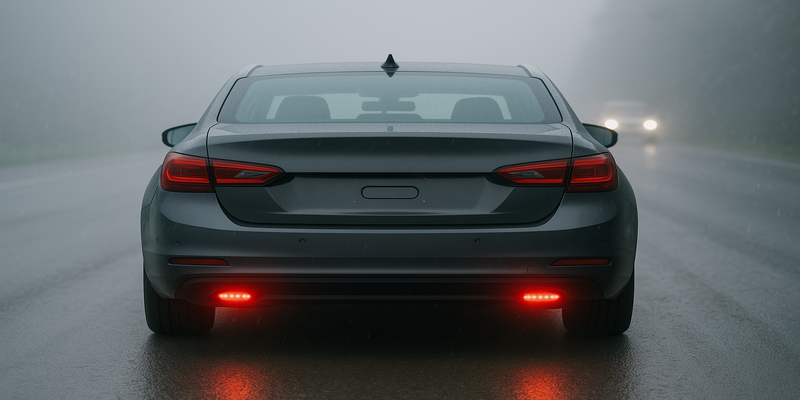
Rear fog lights make your car visible to drivers behind you in low visibility conditions such as fog, heavy rain, or snow. They are much brighter than standard taillights and are designed for emergency visibility.
Automobiles’ rear fog lights provide a crucial safety function. Their visibility aids other drivers in low-visibility weather conditions, including heavy rain, snow, or fog.
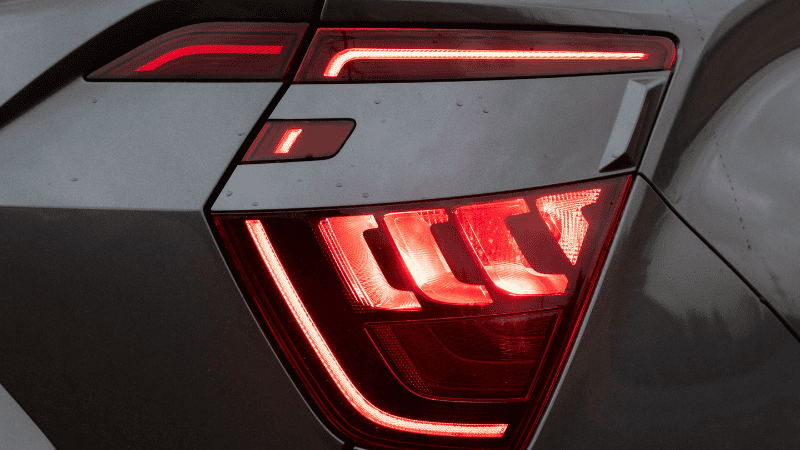
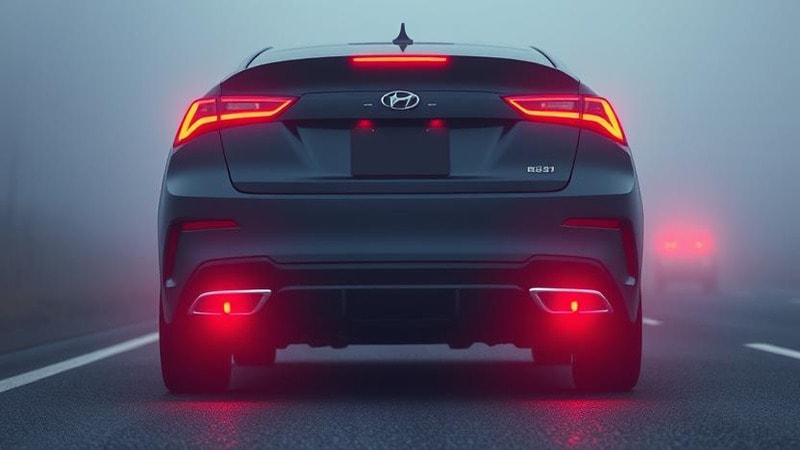
Using them correctly can prevent accidents. These lights are high-intensity, bright red lights, usually on the driver’s side. Some cars have them on both sides for extra visibility.
Using rear fog lights properly is key. Turn them on only in heavy fog, rain, or snow, not in clear conditions. Leaving them on unnecessarily can blind other drivers. Always check your car’s manual to see if you have them and how they work.
Rear Fog Light Symbol
The rear fog light symbol is a lamp icon pointing to the right, accompanied by a wavy vertical line crossed by several horizontal lines. This design represents light cutting through fog or mist, making it easy to distinguish from other lighting symbols on your dashboard.
You’ll typically find this symbol in two places: on your vehicle’s light control switch and illuminated on the dashboard display when the rear fog lights are activated. Unlike standard headlight indicators (usually green or blue), the rear fog light symbol is often amber or orange, helping you quickly recognize that this high-intensity safety light is in use.
It’s important not to confuse it with the front fog light symbol, which looks similar but points to the left and usually has diagonal lines instead. Remember this simple rule:
Rear fog light = points right
Front fog light = points left
Understanding this symbol is essential for safe driving. If you see it lit on your dashboard, it means your rear fog lights are on—and you should double-check whether visibility conditions actually require them.
Rear Fog Lights vs. Brake Lights vs. Taillights
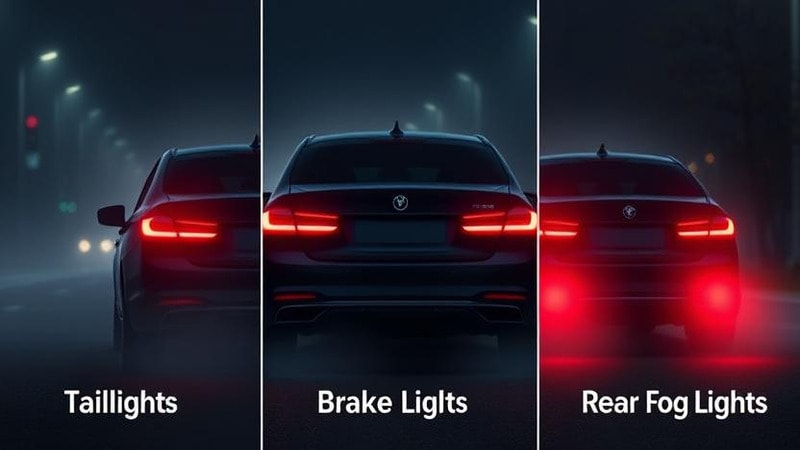
Rear fog lights are much brighter than standard taillights and brake lights. While taillights provide basic visibility at night, fog lights cut through thick weather. Their intense red glow helps drivers behind you see your car from farther away in fog or heavy rain.
Unlike brake lights, rear fog lights stay on constantly when activated. Brake lights only light up when you press the brake pedal. Fog lights keep shining steadily until you turn them off. This constant glow is what makes them so useful in poor visibility.
Taillights are always on when your headlights are active. They’re designed for normal nighttime driving. Rear fog lights, however, should only be used in bad weather. Using them unnecessarily can actually reduce safety by dazzling other drivers.
Sometimes fog lights and daytime running lights (DRL) are confused with each other. DRLs are placed higher on the vehicle, while fog lights are situated on the lower side.
The key difference is purpose: taillights mark your car’s position, brake lights signal stopping, and fog lights shout “Here I am!” in dangerous conditions. Knowing when to use each one makes you a safer, more considerate driver.
Front vs Rear Fog Lights: What’s the Difference?
Fog lights are designed to improve safety in low-visibility conditions, but front fog lights and rear fog lights serve different roles. Understanding how they work helps you use them correctly and avoid common mistakes.
Front Fog Lights: Help You See the Road
Front fog lights are mounted low on your front bumper, below the headlights. They produce a wide, low beam that stays close to the road, reducing glare from fog, rain, or snow. This helps you see the road surface more clearly without light reflecting back into your eyes.
You should use your front fog lights when:
- You are driving in fog, mist, or heavy rain
- Your visibility is reduced, but you still need better road lighting
- Your high beams are causing glare in poor weather
When to Turn Fog Lights ON and OFF

Thick fog, heavy rain, or snow are the kinds of harsh weather that call for the use of rear fog lights. In these conditions, normal taillights aren’t bright enough to be seen clearly. Their intense glow cuts through poor visibility, helping prevent accidents.
They should never be used for normal nighttime driving. When turned on unnecessarily, they can dazzle or distract drivers behind you. This creates glare, making it harder for others to judge distance or speed safely.
Crucial Activation Rule: The 50-Meter Standard
The general rule in many regions (like the UK’s Highway Code Rule 226) is to activate your rear fog lights only when you cannot see clearly for more than 50 meters (165 ft).
When to Turn Rear Fog Lights On
- Visibility under 50m (165 ft): When fog, snow, or rain makes it hard to see beyond this distance.
- Heavy fog or blizzards: If the weather is so bad that normal taillights aren’t noticeable.
- Torrential rain: When downpours make it hard for drivers behind you to spot your car.
When to Turn Rear Fog Lights Off
- Visibility improves: Switch them off once you can see clearly again.
- Clear weather or light mist: They’re unnecessary and will only glare.
- Traffic behind you: Avoid dazzling drivers in normal conditions.
How to Check if Your Car Has Rear Fog Lights
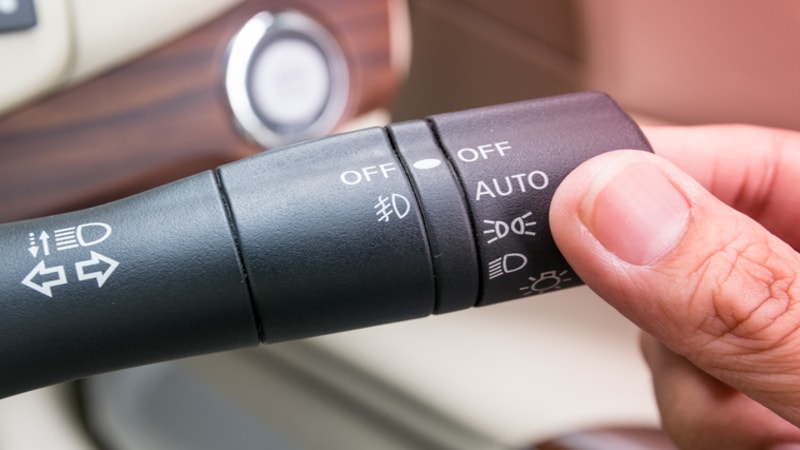
First, look for a dedicated fog light switch on your dashboard or lighting control panel, often marked with a fog light symbol. If you’re unsure, consult your owner’s manual for details on your car’s lighting features. Some vehicles may require activating them through infotainment settings rather than a physical fog light button.
How to Choose the Right Rear Fog Lights
- Type: Pick between LED lights (bright, efficient), Halogen (cheaper, common), or Xenon (powerful, pricier).
- Brightness: Check lumen rating; higher lumens mean better visibility in fog or snow.
- Size & Fit: Ensure it matches your car’s housing (check OEM specs).
- Durability: Look for waterproof (IP67+) and shockproof designs.
- Power Draw: LED saves battery; Halogen/Xenon may need wiring upgrades.
- Legal Compliance: Verify if it meets DOT/ECE regulations for your region.
- Beam Pattern: Opt for wide, non-glaring beams to avoid blinding others.
- Ease of Installation: Plug-and-play vs. professional wiring needed.
How to Safely Use Rear Fog Lights

Rear fog lights make your vehicle more noticeable to drivers behind you, reducing collision risks. However, misuse can create hazards instead of preventing them.
Using fog lights unnecessarily can blind or distract other drivers. The Highway Code (Rule 226) specifies the usage of fog lights. Never activate them in clear conditions; they’re for extreme situations only.
Common Rear Fog Light Misconceptions: The Dangers of Misuse

Rear fog lights are one of the most misunderstood safety features on vehicles, especially in the U.S., where they’re less common. Many drivers accidentally misuse them, creating confusion and even hazards on the road. Here’s what most people get wrong:
- Mistaken for brake lights: Their bright red glow can trick drivers behind you into braking unnecessarily in clear weather.
- Used as parking lights: Unlike dim parking lights, rear fog lights are far too intense for stationary use and can blind others.
- Left on in good conditions: Forgetting to turn them off when visibility improves reduces their effectiveness and annoys other drivers.
- Ignored in bad weather: Some drivers don’t use them in heavy fog or snow, missing out on a key safety feature.
- Legal confusion: Regulations vary, are required in Europe, and are often optional (or restricted) in the U.S.
Conclusion
Rear foglights are powerful safety tools, but only when used correctly. By understanding when to turn them on (heavy fog, downpours, or snowstorms) and when to turn them off (clear weather or light rain), you protect both yourself and fellow drivers.
The key is balance, having the awareness to use them when genuinely needed and the discipline to switch them off when they’re no longer necessary. With this knowledge, you can help make roads safer for everyone during challenging weather conditions.
Upgrade Your Fleet with Premium Rear Fog Lights – Wholesale Prices!
Invest in Carlightvision’s high-quality rear fog lights for your car right now to ensure maximum safety! Carlightvision has been at the forefront of producing rear fog lights with performance that surpasses international safety requirements since 2008.
Contact us now to talk about your lighting requirements for top-notch performance when it counts most.
FAQs
Q1: How do I know if my rear fog lights are on?
A dashboard warning light (usually amber or red), similar to a headlight switch, will illuminate when they are activated.
Q2: What is the position of rear fog lamps?
Rear fog lights are often mounted on the driver’s (left) side of the vehicle. This allows other drivers to see where your car is in the lane, particularly in severe weather such as fog or heavy rain. Being on the left makes it easier for automobiles behind you to estimate your location on the road.
Some cars have a single rear fog light, while others have dual rear fog lights.
Q3: Can I install rear fog lights on any car?
While it is possible, check your local laws first; some areas restrict aftermarket fog lights. Professional installation ensures proper wiring and positioning.
Q4: Why do some cars have one rear fog light while others have two?
Many vehicles use just one (left-side) light to avoid confusion with brake lights. Luxury models often include two for symmetrical visibility.
Q5: Why does my car only have ONE rear fog light (and is that legal)?
Many European-designed vehicles use only one rear fog light (positioned on the driver’s side) to prevent drivers behind from confusing it with the two bright red brake lights. This single-light design is perfectly legal and is a design choice intended to reduce driver confusion.