Tail lights are the crucial part of any automobile design. In the past few years, tail light upgrades made it onto the list of the most-styled yet low-cost modification trends. This guide will guide you on how to update the feel and look of your ride through intelligent but affordable upgrades.
Why Tail Light Upgrades Are Increasingly Popular
Today, the car styling is all about lighting. Why? Because a tail light upgrade means an instant transformation. It makes cars look new, edgy, and far more expensive than they really are, especially with premium plug-and-play LED upgrades.
When you look at it, it is a matter of style and practicality, and you can get amazing results without having to repaint or rebuild anything. The recent LED and smoked designs are exploding the market with their popularity and durability.
Stock Tail Lights: What You’re Starting With
Most vehicles come from the factory with traditional bulbs with the same basic design: red housing, halogen bulb, and simple blinkers. Functional? Yes. Exciting? Not really. The outdated halogen bulbs are dim and take longer to react than today’s LEDs.
Typical drawbacks of factory parts include weak brightness, no flowing turn signals, and plain red housings. So if your car is still running on halogens, that is exactly where cheap appearance upgrades come into play.
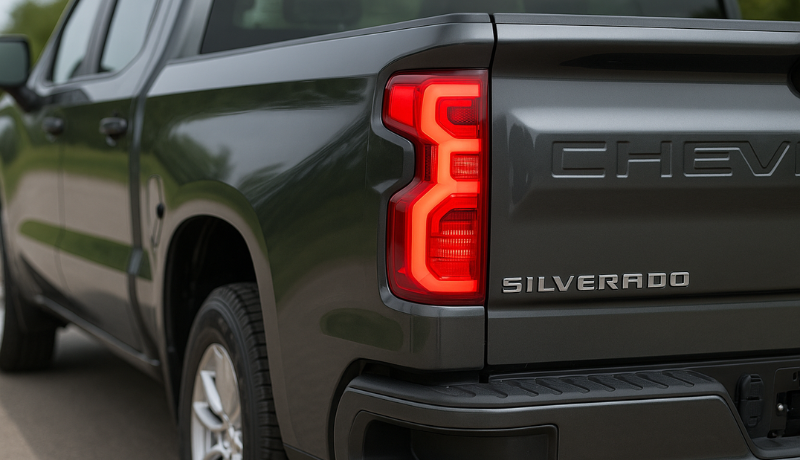
Low-Cost Tail Light Appearance Upgrades
The tinted film on an existing lens easily changes the whole vibe. You can have a light smoked appearance or a tint feature to give an edgy, stealth look by increasing the optical density of the lens.
It’s cheap, accessible, and can be applied in less than an hour. Always be careful while tinting your taillights. If it gets too dark, then it will not only be unsafe, but it may also become a genuine issue when it comes to legal regulation in some regions.
If you are looking for something much safer in the long run, light-tinting sprays or coatings will achieve the same “smoked” look but will be way more durable.
Blacked films balance between price and aesthetics. This is why thousands of overseas users start with it, because it costs little but instantly makes a difference.
Affordable Functional Upgrades
Ever seen an Audi or Lexus brand with that sweeping turn-signal animation? That type of effect is called a sequential or flowing turn signal, one of the coolest lighting upgrades. And there is no need to swap the whole assembly.
It will give your indicators a smooth ripple effect rather than the old blink way of working. There aren’t any crazy wiring harnesses to disassemble.
Mostly, they plug straight into the factory wiring for your car and connect to the taillight. One more thing: even if your car is running on halogen, the following animation still works pretty well.
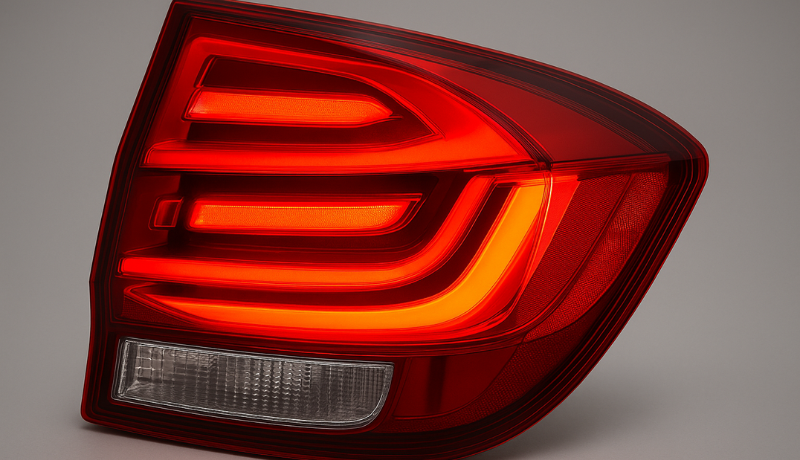
LED Bulb Upgrades for Halogen Housings
With the help of premium LED tail light bulbs, your car gets more light without changing your whole assembly. They are installed in your existing housing, offer better visibility, and illuminate faster under braking and signaling. It surely casts an unmistakable effect-and much more in terms of safety.
The challenge is selecting quality ones. Cheap LEDs can cause overheating and flickering, especially when your car uses a CANBUS electrical system that monitors bulb resistance. It’s the sign of an upgrade. Always look for CANBUS-compatible bulbs or ones with built-in resistors.
This way, you won’t get “bulb out” warnings or flickering. After upgrading to LEDs, you’ll wonder how anyone was used to driving with dull halogens.
Full Tail Light Assembly Upgrade
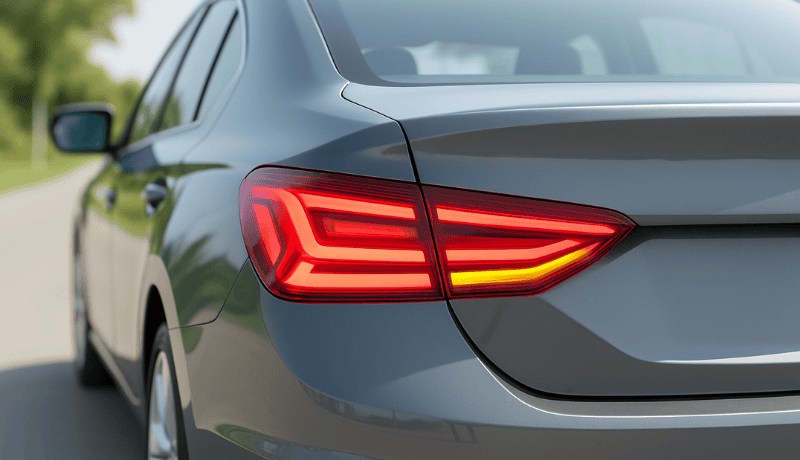
An LED tail light upgrade will change the way your car looks from every angle. Think of these modern housings, usually with a clear look into the lenses, light bar pattern, and integrated flowing turn signals.
The difference is literally night and day. Moreover, premium plug-and-play LED assemblies run better, consume less energy, and have greater longevity.
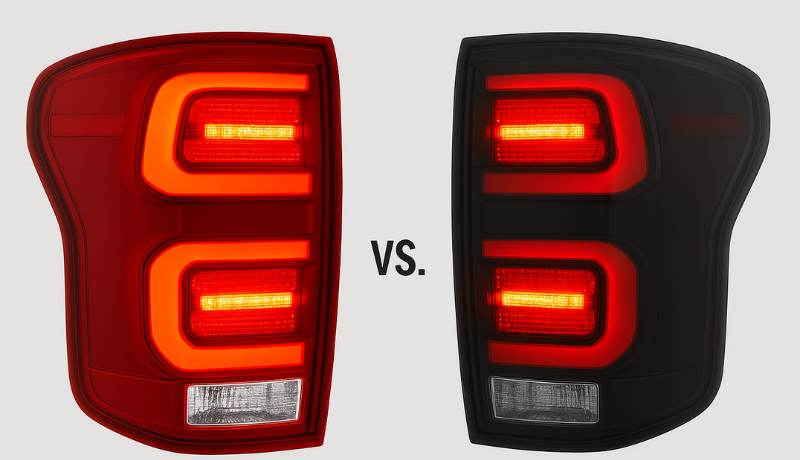
Red vs Blackened Appearance Assemblies
Did you know that a majority of factory taillights come in a bright red housing because it is cheap, safe to use, and easy to mass-produce? However, when it comes to car appearance mods, blackened housings take the front spot.
They add aggressiveness on the road, especially for darker cars or cars with contrasting highlights. On or off, they are visually pleasing and create a sporty look.
Usually, blackened assemblies cost more than the standard red ones. But even so, the result is spectacularly different! There is certainly a demand for them since the look is sharper and more modern, and for most car owners, that little extra is well worth it.
Choosing the Right Upgrade for Your Car
For a plug-and-play LED tail light mod to be successful, compatibility and transparency are the keywords. Just because two lights look almost the same online does not mean they will fit every car.
Model, year, and trim are to be verified all over again. Slight changes in light shape, wiring harness, and even bolt patterns exist between various trims or facelifts.
In the case of a CANBUS system installation, assemblies and bulbs should be chosen according to the appropriate model. So, flickering or warning messages can be avoided. The majority of premium aftermarket assemblies come equipped with a built-in decoder; thus, resistors are not required.
Now decide what you want. Are you just going to change the look with a film or tint? Are you looking to add functionality like sequential signals and LEDs? Some take it step by step: film first, then bulbs, and then explore the options for a complete assembly; others just jump straight to a new set of LED housings.
Last, check your local lighting laws; some areas have restrictions on light tinting or require a specific color for turn signals. You can achieve a custom, sleek look while still being street legal.
Installation Guide: What Car Owners Need to Know
Replacing tail lights sounds tricky, but it’s really easy. First of all, gather basic tools, spare some patience, and, ideally, find a clean and dry workspace.
Always disconnect your car battery first to prevent any cases of short circuit. After this, remove the trunk trim or rear panels that provide access to the bolts holding the taillight. Gently slide out the housing; never force it out, and unplug the connector.
If you are applying blackened film, make sure you clean the lens very well with alcohol beforehand. Work slowly with the squeegee or with a cloth-wrapped card to avoid trapping air in there. Use heat to allow the film to stretch nicely.
After assembling the LED assemblies, you should test them all. Test brake lights, tail lights, running lights, turn signals, and reverse lights. Connectivity issues, such as a loose connector or an unseated gasket, could potentially cause flickering or moisture down the line.
What are the two major mistakes made by beginners? Forget about the test before sealing everything up. Not checking for the inside waterproof. Taking just a little longer for testing saves one hour of agony all the way.
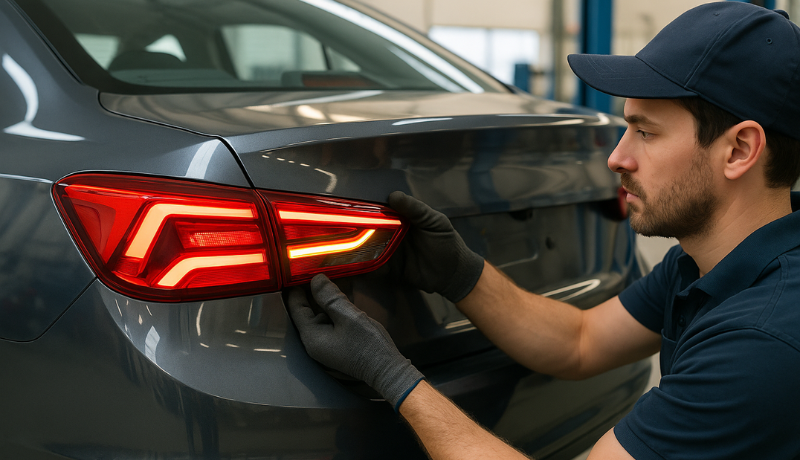
How To Avoid the Most Common Mistakes
Flickering, moisture, and dim output are three paramount issues that come up with tail light replacement.
Flickering LEDs mean your system does not recognize the new load. If this is the case, you may require either a canbus decoder or a resistor set.
Again, moisture problems are due to seals being broken or the housing being warped by over-torquing bolts. Confirm that the rubber gaskets are in good condition and seated properly.
Then check again for tint level if the output of your new lights seems dim. Some films may look wonderful in pictures, but they do destroy light output in the real world.
Conclusion
Tail light upgrades are the easiest, most cost-effective way to make a whole new look for your car. A slight alteration, such as smoked film, flowing turn signal modules, and blackened LED assemblies, would transform an automobile from “stock” to “stylish” in less than a day.
Make Your Car Stand Out with Carlightvision’s Tail Lights Assembly
At Carlightvision, we sell tail light assemblies combining modern aesthetics, plug-and-play fitting, and long-lasting LED performance. Explore Carlightvision’s engineered range today and give your car the bold, confident rear it deserves. Contact us now and get your customised quote and pricing today!!
FAQs
Q1: Can I use smoked film and still pass safety inspection?
Yes, if light enough to actually see the brake lights and turn signals. Usually, in countries, dark tints may cause a failure in inspection.
Q2: Do sequential turn signals work in all cars?
No, the wiring configuration has to match. This is why Carlightvision designs assemblies specific to models instead of generic kits.
Q3: Do LED assemblies require coding?
Most plug-and-play models do not require coding, but high-end vehicles may require it depending on their electrical systems.
Q4: How long do LED lights last?
Good LEDs outlast halogen bulbs by several years and save money, just ensure that proper heat management is incorporated into your assemblies.