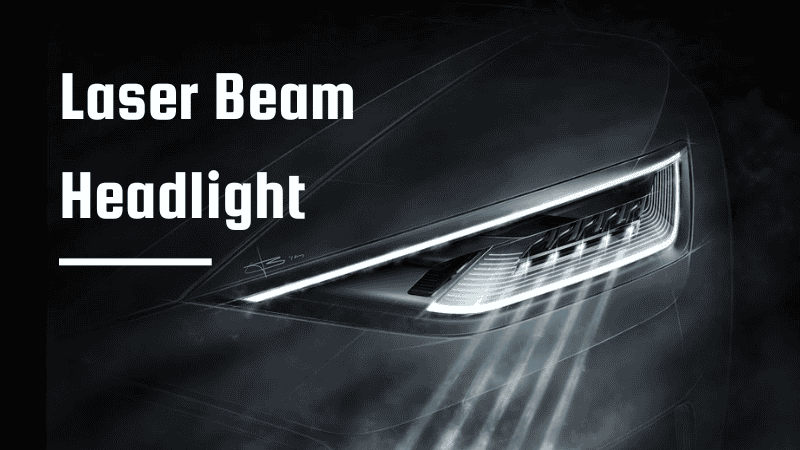
Car laser headlights are the next big thing in car lighting. They shine brighter and reach farther than regular LED or halogen lights, making night driving safer and easier.
In this guide, you’ll find out how laser headlights work, why they are better than traditional lights, and which ones are worth buying.
We’ll also cover installation tips, vehicle compatibility, and what to check before upgrading your headlights. By the end, you’ll know everything you need to make the right choice.
What Are Laser Beam Headlights, and How Does It Work?
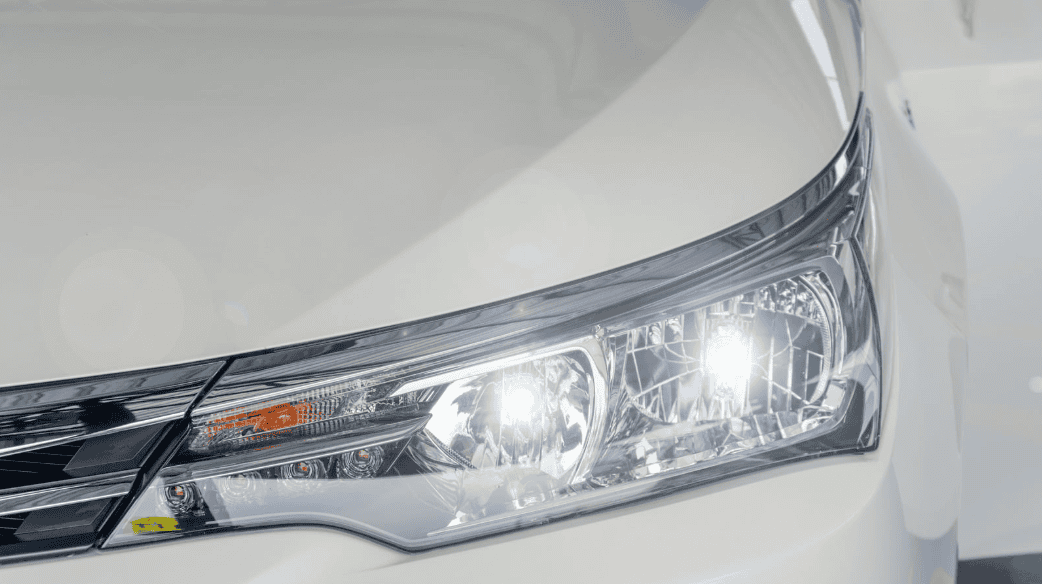
Laser beam headlights are a type of car lighting that can completely change the way you see the road at night. Unlike regular halogen or LED headlights, these lasers shine much brighter and can reach much farther, sometimes up to 600 meters, so you can spot obstacles earlier and drive more safely on highways.
Here’s the simple version of how they work. A tiny laser diode sends out a beam that hits a special phosphor material, turning it into a powerful white light. This light is then projected in a very precise pattern, so it lights up the road ahead without blinding other drivers.
Why does this matter to you? With laser headlights, you get clearer visibility, can react faster, and feel more confident driving at night. They also use less energy than traditional lights, last longer, and make your car look really high-tech and premium.
Quick facts you should know about laser headlights:
- Brighter & farther: Lets you see more of the road.
- Energy-efficient: Gives you more light while using less power.
- Precision beam: Reduces glare for other drivers.
- Long lifespan: Can last up to 20 years in some cars.
The first production car with laser headlights was the BMW i8. Later, models like the BMW 7 Series and Audi R8 also used this technology.
In most vehicles, laser lighting works together with LED headlights. The LED lights handle your normal driving lights, while the laser system helps extend your high-beam distance.
The Best Features of a Laser Beam Headlight
If you want headlights that make your night driving safer, easier, and more enjoyable, laser beam headlights are one of the best upgrades you can choose. They not only shine brighter and farther than regular lights, but they also save energy, last longer, and give your car a modern look. Here’s what makes them stand out from your perspective as a driver.
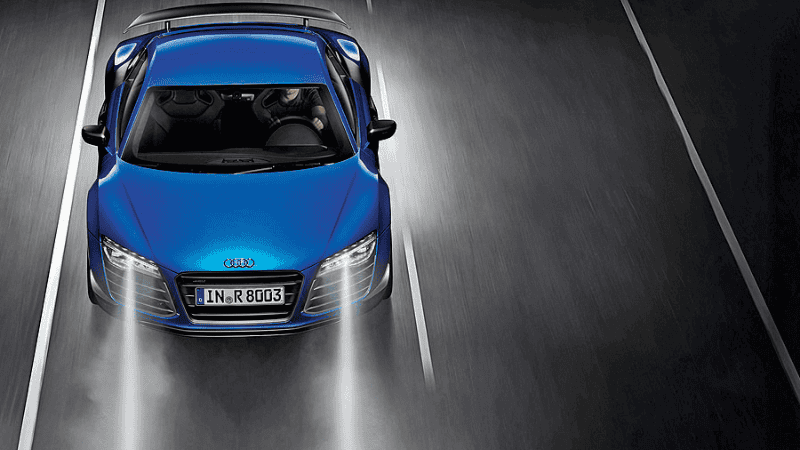
Here is a summary of the top features of a laser headlight.
Longer Visibility
With laser headlights, you can see up to 600 meters ahead. This means you can spot obstacles, road signs, or other cars much earlier and react faster, keeping you safer on dark roads.
Better Energy Efficiency
These lights give off a strong, clear beam while using less power from your car. That means they are easier on your battery and more environmentally friendly.
Compact Headlight Design
Laser diodes are tiny, so car makers can design slimmer, sleeker headlights. For you, this means your car looks sharper and more high-tech.
Adaptive Lighting
Many laser headlights adjust automatically. The brightness can change based on your speed, surrounding traffic, and road conditions, giving you the right light exactly when you need it.
Long Service Life
Laser diodes are built to last for years. You will spend less time worrying about replacing your headlights and more time enjoying your drives.
The Technology Behind Laser Beam Headlights
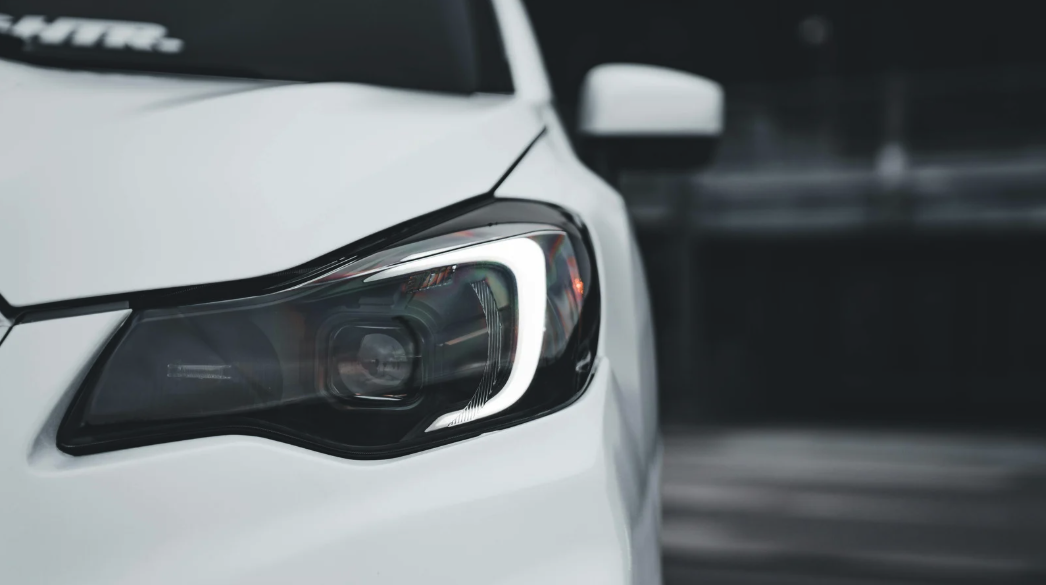
You may be wondering how laser headlights work. The laser light-emitting diode emits a unique blue light. This light passes through the headlight’s fluorescent unit only to change into a bright white light, which seems safe and comfortable to the eye.
Here is a detailed overview of how the best laser-powered headlights work:
- In each light, three blue lasers are smartly positioned at the assembly fire’s rear on a mirror set located closer to the front.
- These lasers have diodes that work on the principle of stimulated emission.
- The mirrors focus all the generated laser energy into a specific lens with yellow phosphorus.
- Yellow phosphor coating interacts with a blue laser to generate an intense, vibrant white light.
- The light produced shines backward on a given reflector.
- As a result, the bouncer reflects an even more diffused, vibrant white light forward that shines from the front of the headlight.
- This helps generate a powerful light beam from a light source that can easily be gazed upon.
Headlights featuring the diode technology can easily reach more than twice as far as LED headlights. Additionally, they can illuminate six times further than traditional incandescent headlights. The laser pointers or beams have a high lighting density, making them suitable for even small spaces.
Do Laser Headlights Consume More Power?
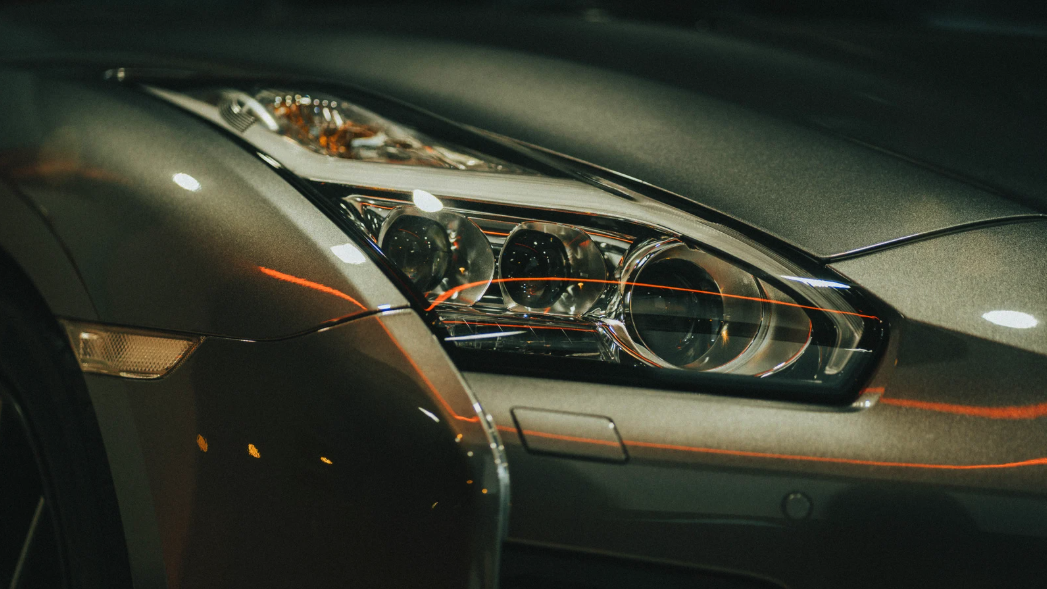
Now, you may wonder if a powerful laser would mean a hefty bill. Well, according to BMW, that’s not true.
While laser adaptive headlights are nearly 1,000 times brighter than LED headlights, they use only half the power. That means if you drive an electric or hybrid vehicle, you can meet its energy needs. This is true even with high beams on.
Similarly, laser headlights produce a bright light even in small units. This allows car manufacturers to elevate small headlight construction and utilize the remaining space to incorporate other pleasing features.
Are Laser Adaptive Headlights Safe?
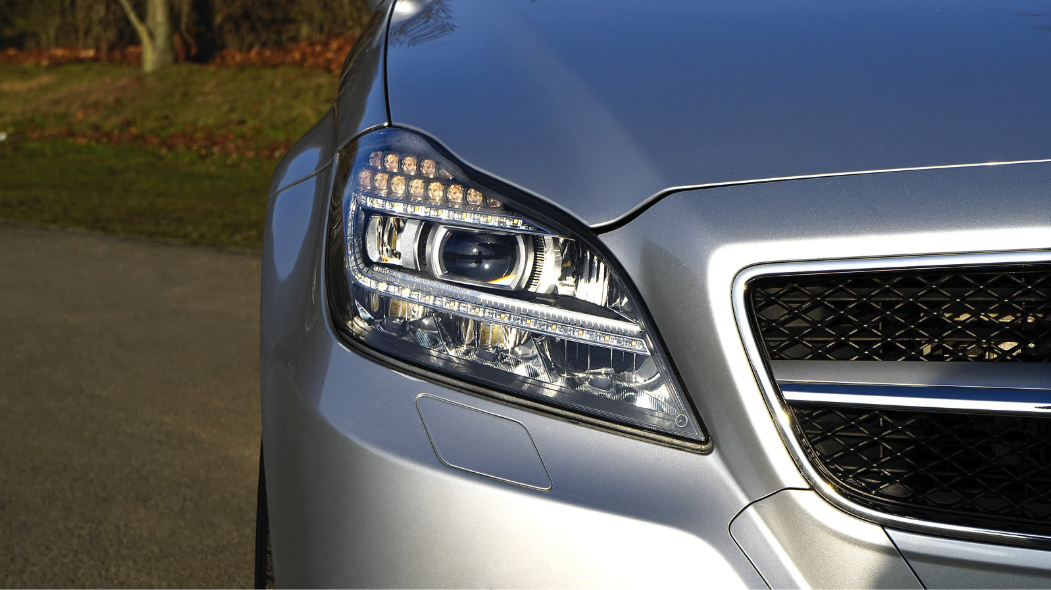
We all know how dangerous looking directly into a laser light beam is. The beam can act like a knife, slicing your retina within a few seconds.
However, BMW believes otherwise. In its statement on laser headlight safety, BMW states that the intensity of the light from laser headlights doesn’t pose any risk to animals or humans.
That’s because the light emitted through the headlights is first converted into a suitable form, which is considered safe for the oncoming traffic on the road.
BMW has even experimented with its engineers to prove their point. But they also mention that if any possible damage is about to occur, the power to its laser headlights is automatically cut.
Pros and Cons of Laser Beam Headlights
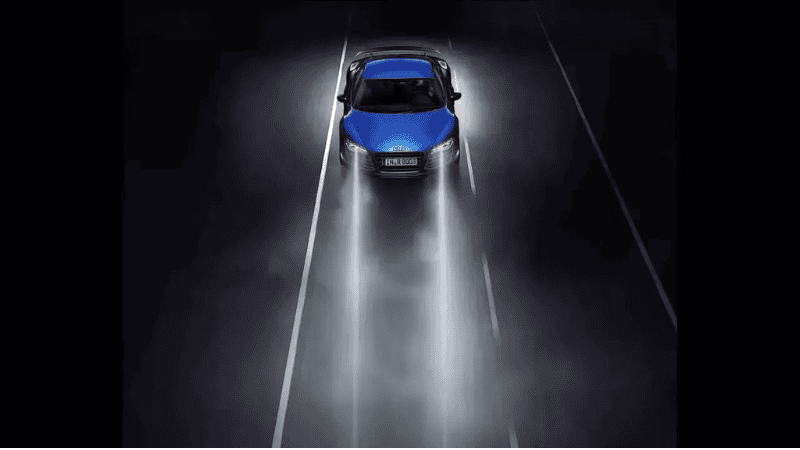
The above information may convince you to purchase and bring laser headlights right now to your car manufacturing unit. However, before you rush, take a look at both sides of the coin.
1. Pros of Laser Beam Headlights
- Enhanced Visibility: Laser headlights generate a clear, bright, and intense white light for greater visibility even at night. This is the ultimate laser power.
- Energy-Efficient: Laser headlights are energy-efficient, which means that they consume less power to generate maximum output.
- Minimum Replacement and Maintenance: These vehicle headlights feature diodes, so they enjoy a longer lifespan. As a result, you don’t have to spend money on frequent replacement and maintenance.
- Compact Design and Size: The compact size and design of laser headlights allow car manufacturers like you to make your vehicle sleeker than ever. You also get enough space to experiment with additional features.
- Long-range Headlights: Since the laser is currently the only source of artificial light that doesn’t diverge, these headlights excel at offering small divergence and long range.
- Additional Features: Most headlights come with additional safety features that make them helpful for multiple use cases.
2. Cons of Laser Beam Headlights
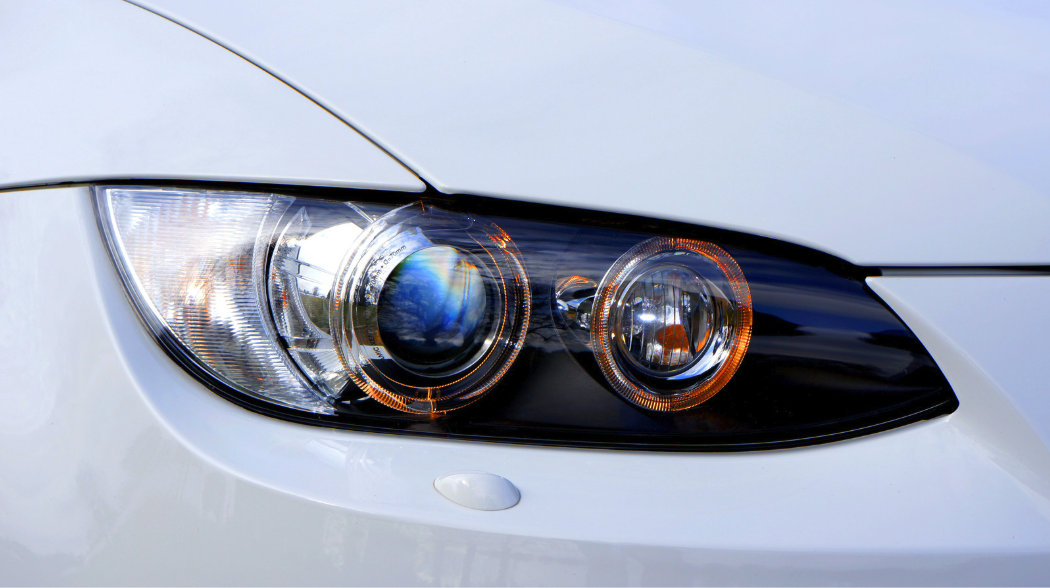
- High cost: These headlights are much more expensive than traditional ones. Adding them to your car design may increase the overall cost of manufacturing a vehicle.
- Complicated Technology: While you may not have felt it when reading above, know that laser headlight technology is quite complex. The procedure requires top-class engineering and a control system to reduce any repairs.
- Regulation Limitations: Since this headlight technology is comparatively new, it isn’t well understood. Certain regions may restrict the use of these headlights due to the presence of lasers.
- Impact on Environment: Although these headlights are considered much more energy efficient than LED ones, manufacturing them may require the use of rare materials. This may raise questions about their environmental footprint.
Laser vs LED Headlight: Which is Better?
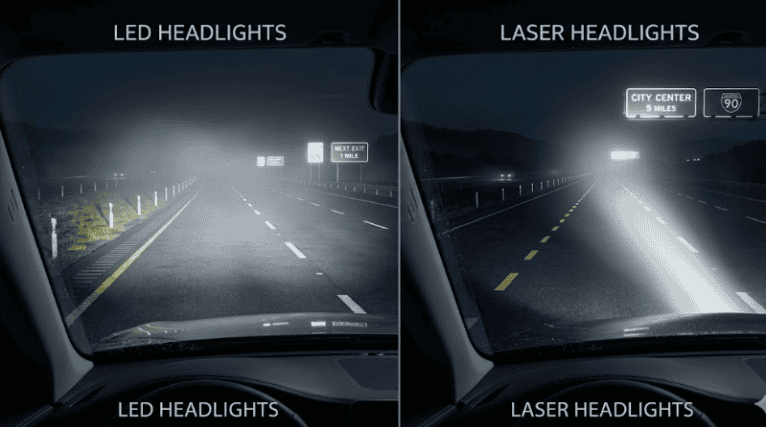
Laser headlights are practically a dream of any car manufacturer. That is because, compared to LED headlights, they excel at most levels. Here is a comparison of laser and LED headlights to help you choose between the two.
| Properties | LED Headlights | Laser Headlights |
|---|---|---|
| Brightness | High. | Up to 1000x brighter. |
| Beam Range | Up to 300 meters. | Up to 600+ meters. |
| Size | Small. | 1/10th the size of LED. |
| Energy Efficiency | High. | Even higher. |
| Heat Dissipation | Needs good cooling. | Low heat generation. |
| Cost | High (but common). | Extremely high. |
| Availability | Widespread. | Rare (on top-tier luxury cars only). |
| Primary Use | All-around driving. | High beams for ultra-long distance. |
Practical Applications and Use Cases
The appreciable benefits of laser headlights have made them popular among many big car brands. For instance, the Limited Edition Audi R8 LMX has laser headlights, adding more drama to its already amazing existence.
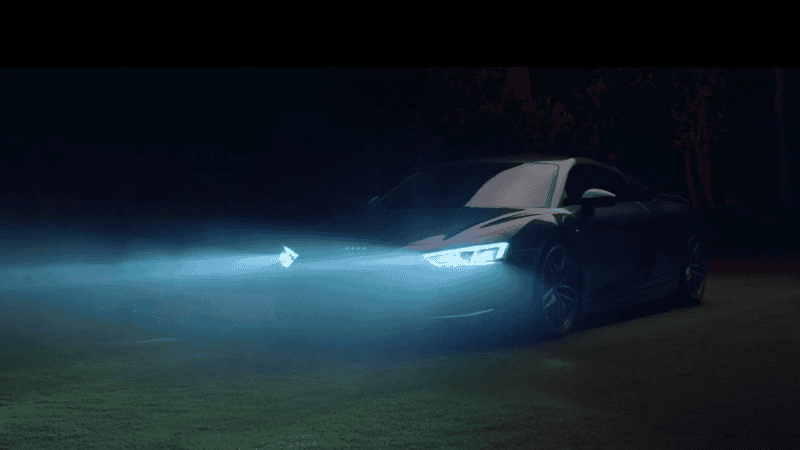
The car uses four high-powered laser diodes, which generate almost twice the range of a normal LED headlight. This results in an oval-shaped bright light that shines tall.
Similarly, BMW’s X7, i8 Coupe, and Roadster are a few of the car models that use laser headlights. The BMW laser headlights are considered highly powerful and efficient. Moreover, they are small but have compelling benefits, such as focused light beam production and several safety features.
As laser headlights get more polished and improved with time, more and more car manufacturers plan to make the headlights a part of their models. That’s because they can’t hide from the fact that these headlights perform better than traditional ones under extreme conditions.
Whether you are driving on a highway or crossing through a foggy road, laser headlights offer you top visibility, saving you from any accident.
Cost Analysis of Laser Beam Headlights
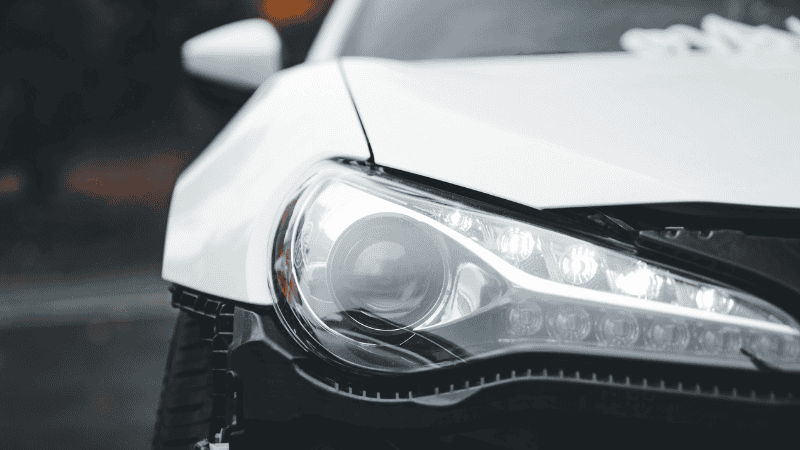
Laser beam headlights are expensive, and most of the time, you will only find them on luxury cars. You can’t just buy them as aftermarket bulbs for most vehicles.
If your car has laser headlights, replacing or repairing one assembly can cost between $2,000 and $9,000, depending on your car model and the technology used. The high cost comes from advanced parts like laser diodes, cooling systems, and smart sensors.
Because of this, many drivers still go for LED headlights. They are much cheaper, easier to replace, and still provide very bright and reliable light.
For manufacturers or distributors, laser diodes themselves can cost anywhere from $200 to over $1,200 per unit. Prices may drop over time as the technology becomes more common, but for now, installing laser headlights is a big investment.
The good news is that once you have them, laser headlights give you brighter light, longer range, and better visibility at night, which can make the high price worth it.
Why can’t you buy a laser bulb for Your Car?
You can’t buy a standalone laser headlight bulb for your car because laser technology only exists as a complete headlight assembly. Unlike LED or halogen bulbs, it’s not a simple plug-and-play upgrade.
There are two main reasons for this.
First, laser headlights are technically complex. They use a system called Laser Activated Remote Phosphor (LARP) and need specialized cooling. You simply cannot fit all of that into a small bulb like H11 or 9005.
Second, regulations limit how strong laser beams can be on public roads. For example, in the U.S., beam intensity rules prevent the full power of laser lights from being used, which is why manufacturers like BMW and Audi only offer them in specific models or regions.
If you want the look and brightness of laser headlights without the high cost or legal issues, your best option is high-lumen LED conversion kits. They are safe, street-legal, and work with almost any vehicle on the road today.
Conclusion
Laser headlights are not just your average xenon or halogen lights that brighten dark roads. Their power efficiency, excellent safety features, and enhanced visibility make them superior to traditional options.
However, we can’t deny that their high price is one of the biggest hurdles to their rapid globalization. While larger brands such as BMW and Audi are adopting these headlights for their new models, some smaller companies remain reluctant to adopt them for their upcoming cars.
That said, the performance of the laser headlights will soon outweigh their cost one day. And from then on, you will see these headlights flaunting their magic everywhere.
Get an LED Headlight from CarlightVision
While laser technology represents the future of luxury, its extreme cost and regulatory limits make it out of reach for most drivers. If you are looking for the same crisp white light, 300% more brightness than halogen, and easy DIY installation, a professional LED upgrade is your best choice.
Ready to illuminate your drive? Explore CarlightVision’s High-Performance LED Collection—the industry’s most cost-effective alternative to expensive laser systems. We offer the perfect balance of laser-like intensity with the reliability of premium LED engineering.
Contact us now to get a safe and smooth ride on the road!
Frequently Asked Questions (FAQ)
Q1: How Expensive Are Laser Headlights?
Laser headlights are very expensive. Replacing or repairing one headlight assembly can cost anywhere from $2,000 to $9,000, depending on your car model and technology. The high cost comes from advanced parts like laser diodes, cooling systems, and adaptive sensors. Many drivers still choose high-quality LED headlights as a more affordable and practical alternative.
Q2: Are Laser Headlights Illegal?
Not everywhere. Laser headlights are fully approved in Europe and parts of Asia. In the U.S., they are heavily restricted by NHTSA regulations. To stay street-legal, always check if your headlight assembly has “DOT” or “ECE” certification.
Q3: Are Laser Headlights the Brightest?
Yes, laser headlights are among the brightest car lights available today. They can shine much farther than standard LED or halogen headlights, giving you better visibility at night.
Q4: Are Laser Headlights Dangerous to the Human Eye?
No, they are safe. The light from a laser headlight isn’t a raw laser. It first reflects off mirrors and passes through a yellow phosphor lens, turning it into bright white light that won’t harm your eyes. Safety sensors also shut off the laser if the headlight is damaged.
Q5: How Long Do Laser Headlights Last Compared to LEDs?
Laser diodes are very durable, often rated for 30,000 to 50,000 hours. Their lifespan is similar to high-quality LEDs, but because the system is complex, if one internal part fails, you usually need to replace the whole assembly.