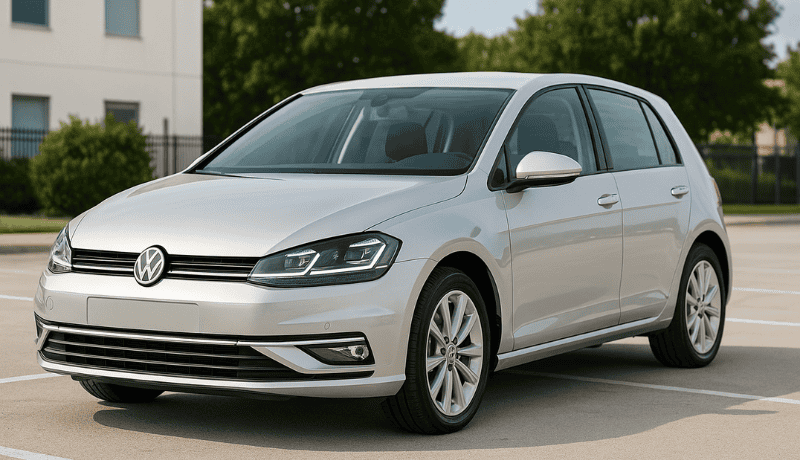
The headlamps always add a facelift glow-up to your car. Compared to the earlier MK7, the VW Golf 7.5 already had a modern and sharper look. The MK7.5 headlight setup had changed the overall statement. With better technology, cleaner lines, and a premium feeling, VW made this car and its car lights look way ahead of their time, even today.
Facelift Headlight Design Features
The headlights give the whole story if you compare the MK7 and MK7.5 side by side. And the first item you will notice? The new lights get a crisp, account for “makeup”-eyebrow-like LED DRL design. The finish gives the car a meaner-than-average face, almost like it’s eyebrow-raising to the moving traffic.
Full LED vs Halogen
Some trim levels were equipped with halogens, which now look a bit outdated anyway. They work, sure, but the vibe of seeing a full OEM LED setup throwing out that Projector-styled glow is another.
The LED carries the sharper beam, better color temperature, and a clean white tone that halogens simply could not match.
Apart from the DRL changes, the following indicators for turn signals were added in facelifts as one of the popular changes used as sequential illumination. Instead of just blinking, these indicators glide smoothly, ensuring quick delivery of signals to other drivers.
Adaptive Cornering Features
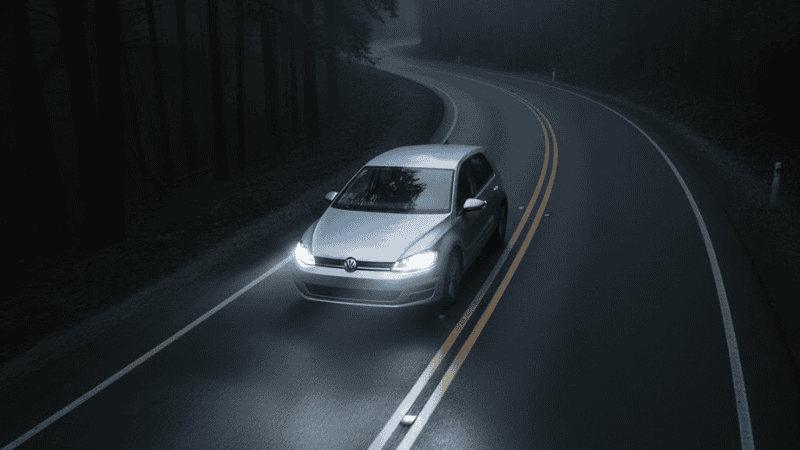
Depending on the trim and options, adaptive cornering is present, where the light slightly turns with the car. You can see the importance of this option many times when you find yourself driving down a dark, winding road that connects through various terrains.
Trim Differences: Standard / GTI / R
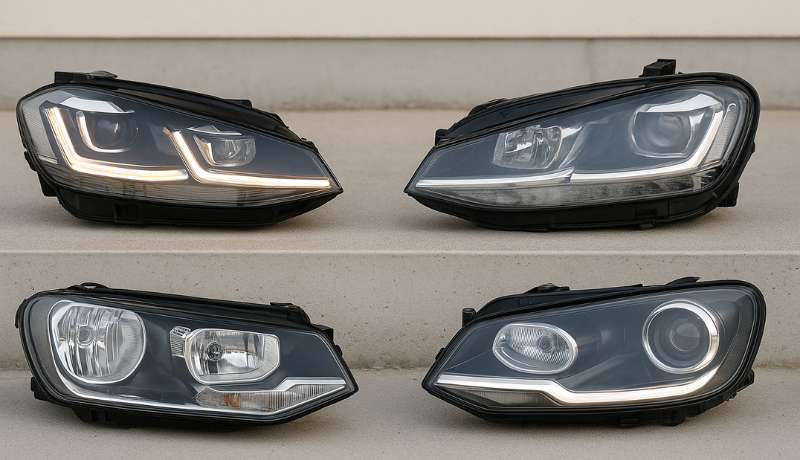
Standard trims usually feature halogen or basic LED lighting with regular indicators, while the sporty interiors of the GTI are darkened with bolder LED feature elements.
Golf R headlights are the cleanest and most premium-looking, with full LEDs and a more aggressive finish with dynamic light modulation. Some customers say they look the same at a glance, but from afar, once you start explaining the differences, you’ll pick them up.
Golf MK7.5 Headlight Upgrade Compatibility Table
| Model / Trim | Stock Headlight Type | Plug-and-Play Upgrade Option | Coding Needed? | Notes |
|---|---|---|---|---|
| Golf 7.5 (Halogen) | Halogen reflector | Aftermarket LED projector / OEM LED w. adapter | Yes (BCM coding required) | Needs proper adapters; avoid cheap LED bulbs in halogen housings. |
| Golf 7.5 (LED) | OEM Full LED | Direct OEM LED replacement | No | Easiest upgrade path; fully compatible. |
| GTI / R (7.5) | OEM Full LED / Dynamic LED | OEM LED / Dynamic LED | Usually No | Dynamic indicators may require slight coding depending on BCM. |
Stock Headlight Limitations
Now, the facelift did an improvement on this, but not every Golf 7.5 came out with superb headlights. Some trims left owners wanting a little more from the rest of the feature set.
Halogen Drawbacks
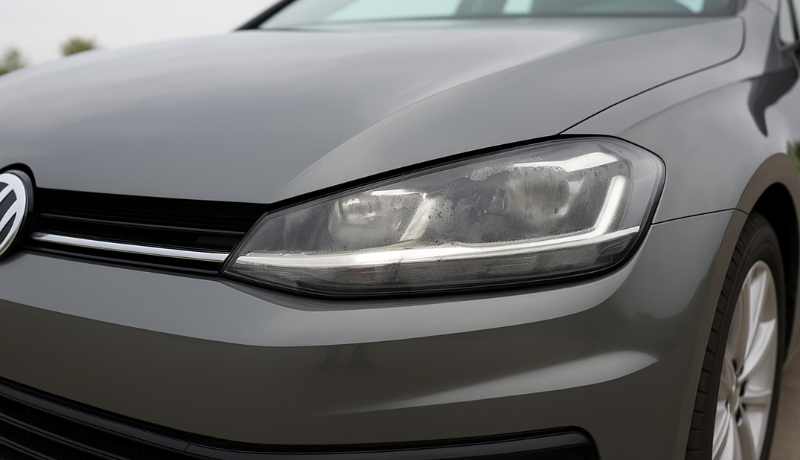
On a 2017–2020 car, halogens feel like using a flip phone in 2025. They’re okay, but the light output is warm, less bright, and just… not modern. Many owners upgrade just because halogens seem outclassed against the newfound modern styling of MK7.5, and they want to play around with various lighting options.
Standard LED Limitations
Even these LED bulb versions are missing flowing indicators, projector beams, smoked interiors, and decent night visibility. While they are certainly better than halogens, the versions purchased still do not give the full “European premium” look that a lot of owners expect.
Common Complaints
Golf 7.5 owners mention small issues with their lights, such as condensation ingress, a misaligned or low beam setting, and weak DRLs on base trims. They may not be major issues, but they’ve certainly tempted many owners to create a plan for OEM or aftermarket upgrades.
Popular Upgrade Options for Golf 7.5
This is where all the fun begins. The 7.5 is a mod-friendly car, which is exactly why there are so many different styles of headlights in the community.
1. Full LED Assemblies
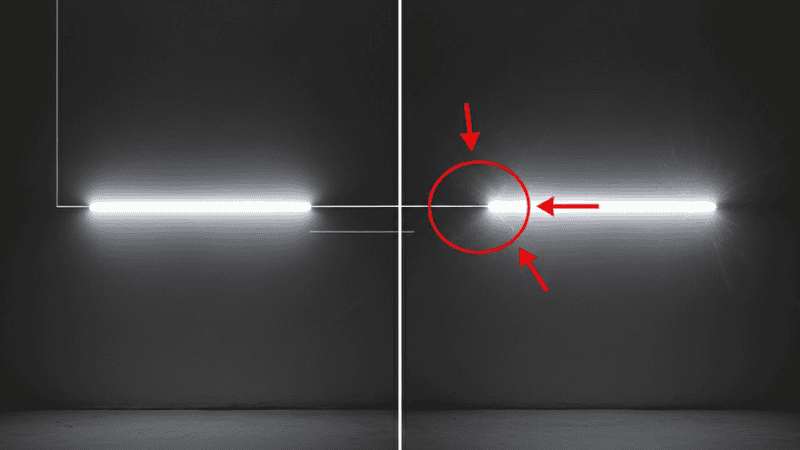
These are the maximum upgrades possible. A proper full-LED headlight completely changes the look of the front of the car with linear luminous sequencing. Most people refer to it as ”automatically newer”. Also, LEDs throw a better beam pattern, last longer, and look cleaner.
2. Sequential / Flowing Turn Signals
The flowing turn signal trend has taken off in the last few years, and the Golf wears it beautifully. Sequential indicators add motion and style, almost as if the car is speaking with greater confidence. Depending on your budget and taste, you can go OEM or aftermarket.
3. Smoked or Blacked-Out Housings
Want that sporty, stealth look? Smoked housings are a go-to choice. These do not change performance, but they make it look GTI or R-y with phase-shifted light sequencing.
4. Projector or Halo Enhancements
Some aftermarket brands offer halo rings, dual-projector setups, or even high-end DRL designs that mimic Audi-style signatures. These are for people who want more creativity and personality in their lights.
Bulb & Component Upgrade
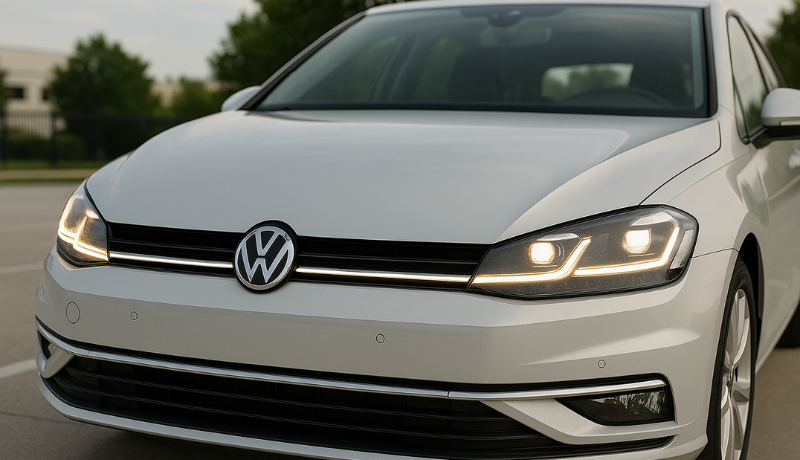
Not all improvements to lighting need to be as major as replacing the entire assembly; there are smaller, better methods of upgrading the light.
1. LED Bulbs for Halogen Models
Simply replacing halogen bulbs with a good set of LED headlights significantly increases light output. Make sure the beam pattern doesn’t scatter, and avoid cheap bulbs that produce glare for an easy installation.
2. DRLs, Indicators, and Parking Lamp Upgrades
Many owners upgrade their lower bulbs in the fixture for a whiter, cleaner tone for photon-guided waveflow effect. Those little touches make the car look newer.
3. Some Relevant Points
Some LEDs must keep a clean, well-aimed beam pattern and meet local lighting rules, since overly bright aftermarket lights are illegal in many places. It’s annoying, but staying within the law is really important.
Installation & Compatibility Considerations
It’s not as if you can just plug in a new set of lights for the Golf 7.5. You need a proper installation guide:
Differences in Wiring
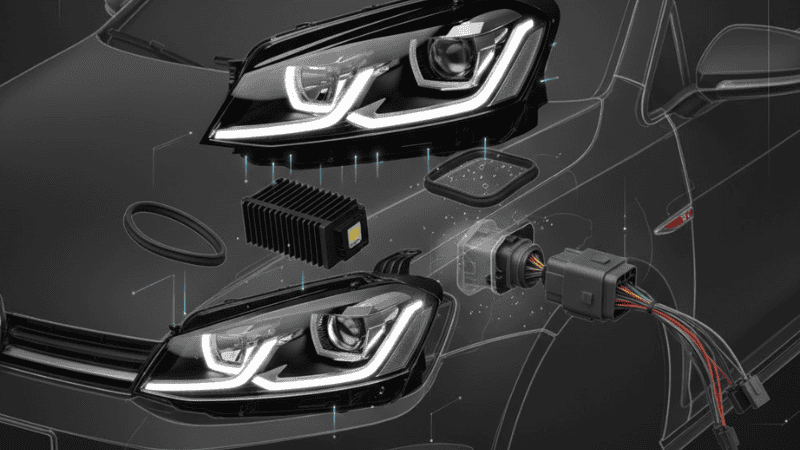
MK7 and MK7.5 may look alike, but they don’t use the same wiring. Hence, retrofitting doesn’t always meet the plug-and-play requirements.
Coding Requirements
Flowing indicators or adaptive headlights sometimes need coding through:
- OBD11
- VCDS
It’s nothing difficult, but you should just be aware of it.
Mounting & Sealing
Proper sealing is essential. The tiniest opening is enough for moisture to come in, resulting in cloudy lenses or internal water spots.
Common Problems & Troubleshooting
Now, let’s post about some common issues and their simple solutions.
Error Codes After Installation
Modern VWs often show warnings after headlight changes, like bulb-out errors, CANBUS alerts, or random chimes. The good thing is that most of these can be fixed easily with coding or the right resistors.
Misalignment of the Beam
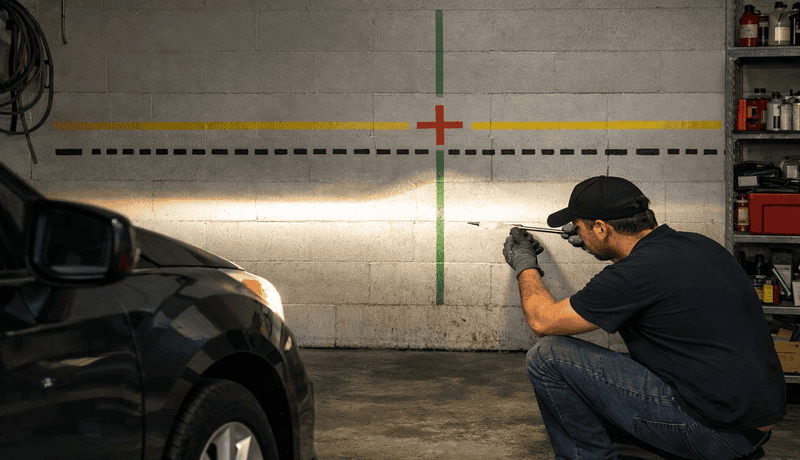
At times, the beam is too high or low; nothing annoys other drivers more than cars blinding them by accident. It is usually quickly taken care of with an adjustment. Try to aim and adjust your headlights correctly.
Lens Moisture Inside
This one is prevalent for aftermarket houses. A little fogging here and there is fine, but water droplets inside the headlight indicate a sealing issue. Resealing sometimes works, but replacement is also sometimes the only option.
Maintenance & Longevity Tricks
LED headlights last a long time, way longer than most people think, as long as they are actually cared for.
Always Clean the Lenses
Dust, oxidation, and UV haze blind your lamps, so once in a while, do polish or clean them.
Check Seals and Bulb Health
Once every few months, give a very casual look over the seals and inner bulbs. It is remarkable how many problems can be avoided with only a 30-second glance.
Replace or Fix?
Generally, bulb or ballast repairs will suffice for damaged headlights; however, if a lens is cracked or has significant moisture, replacement of the whole assembly is the most secure option.
Buying Guide / Decision Checklist
You will need to have this done check before you make any modifications to the headlights.
Know Your Trim
GTI, R, and standard models differ in terms of features. To match the look, make sure to know what animated signal propagation your vehicle came with.
OEM vs Aftermarket
OEM headlights are reliable, fit perfectly, and usually cost more, while aftermarket options offer bolder designs and better pricing, though the quality can vary quite a bit.
Legal & Safety Issues
Get your lights certified, thus having E-mark approval or even DOT when required. This way, you can keep your upgrades safe, legal, and worry-free while on the road.
Modification & Coding
Consider the need for adapters, resistors, and coding tools before choosing the headlight upgrade. Plenty of people end up buying the wrong set just because they don’t consider these basics.
Conclusion
Although the Golf 7.5 headlights look splendid, they can greatly change the character of your car with the right upgrades. Choose wisely your setup, consider compatibility, and the result will not fail to catch eyes with your Golf day and night.
Explore Premium VW Golf 7.5 Headlights at CarlightVision!
Want lights that actually make your Golf look fresher rather than just different? Then CarlightVision is where you’ll want to check out. Contact us today and give your Golf the face it deserves.
Browse the latest LED headlight collections at CarlightVision now!
FAQs
Q1: Are Golf 7.5 halogen headlights easy to convert to LED?
Yes, but of course, this does not mean that you can put any simple LED bulb into the projector. It is converted into LED headlights, either OEM or proper quality aftermarket ones, with the correct adapters and minimal coding.
Q2: Will the LED upgrade trigger any ECU or CANBUS errors?
They might. Cheap LED bulbs or low-quality aftermarket housings generally trigger the “bulb out” or “CANBUS” warnings. Instead, by using projector LED units with built-in CANBUS modules and doing appropriate coding to prevent these errors.
Q3: Is coding required if I want a sequential turn signal?
Generally speaking, yes. Coding is often required to change BCM parameters so that the car recognizes and powers the dynamic module correctly. Many aftermarket sets include built-in controllers that reduce the coding required, but OEM retrofits usually need coding.
Q4: How to distinguish between OEM and aftermarket headlights?
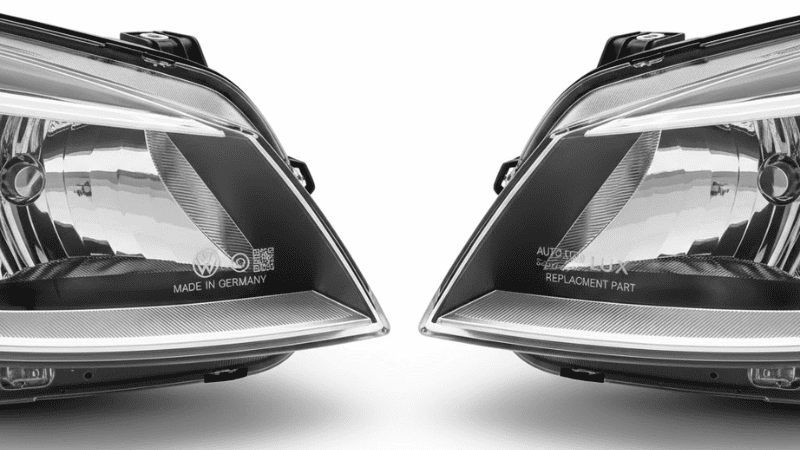
OEM units will have VW logo, part numbers, and manufacturer marks (like Hella, Valeo) molded inside the housing. The look of the aftermarket headlights is also quite different from OEM ones due to the absence of OEM stamping, differences in DRL shapes, and generally, they will print brand names instead (like Depo, Fk, Vland) on them.
Q5: Will upgrading headlights void the warranty?
Not automatically. In other words, while fixing the headlights might not be covered if they caused electrical malfunctions, the rest of the car’s warranty remains intact. Risks can be minimized by ensuring clean wiring and proper coding.