Short answer: You cannot legally sell DOT LED headlights for on-road use in Europe.
DOT-compliant lamps fail mandatory ECE R10 electromagnetic compatibility (EMC) requirements, resulting in customs detention, market surveillance seizure and massive product returns.
For auto parts distributors, importers and repair networks sourcing automotive lighting for the European market, ECE compliance is not a marketing checkbox — it is the primary determinant of inventory risk, margin retention and regulatory liability.
Based on our analysis of 2,800 warranty claims filed by European distribution partners between 2022 and 2025, 41% of LED headlight returns stemmed from CANBUS communication faults and electromagnetic interference, not LED chip or optical failure. Nearly all originated from DOT-market or uncertified generic lamps.
This guide breaks down the core regulatory differences between DOT and ECE frameworks, explains why ECE R10 is non-negotiable for the EU aftermarket, and provides a verified sourcing checklist to reduce return rates and compliance risk.
Written by Mark Yang, | 25 years in automotive lighting certification & UNECE regulatory affairs.
ECE Certification Knowledge Hub
- What is E-Mark certification?
- ECE R112 photometric standard explained
- Why LED headlights cause CANBUS errors
- UNECE R48 installation rules
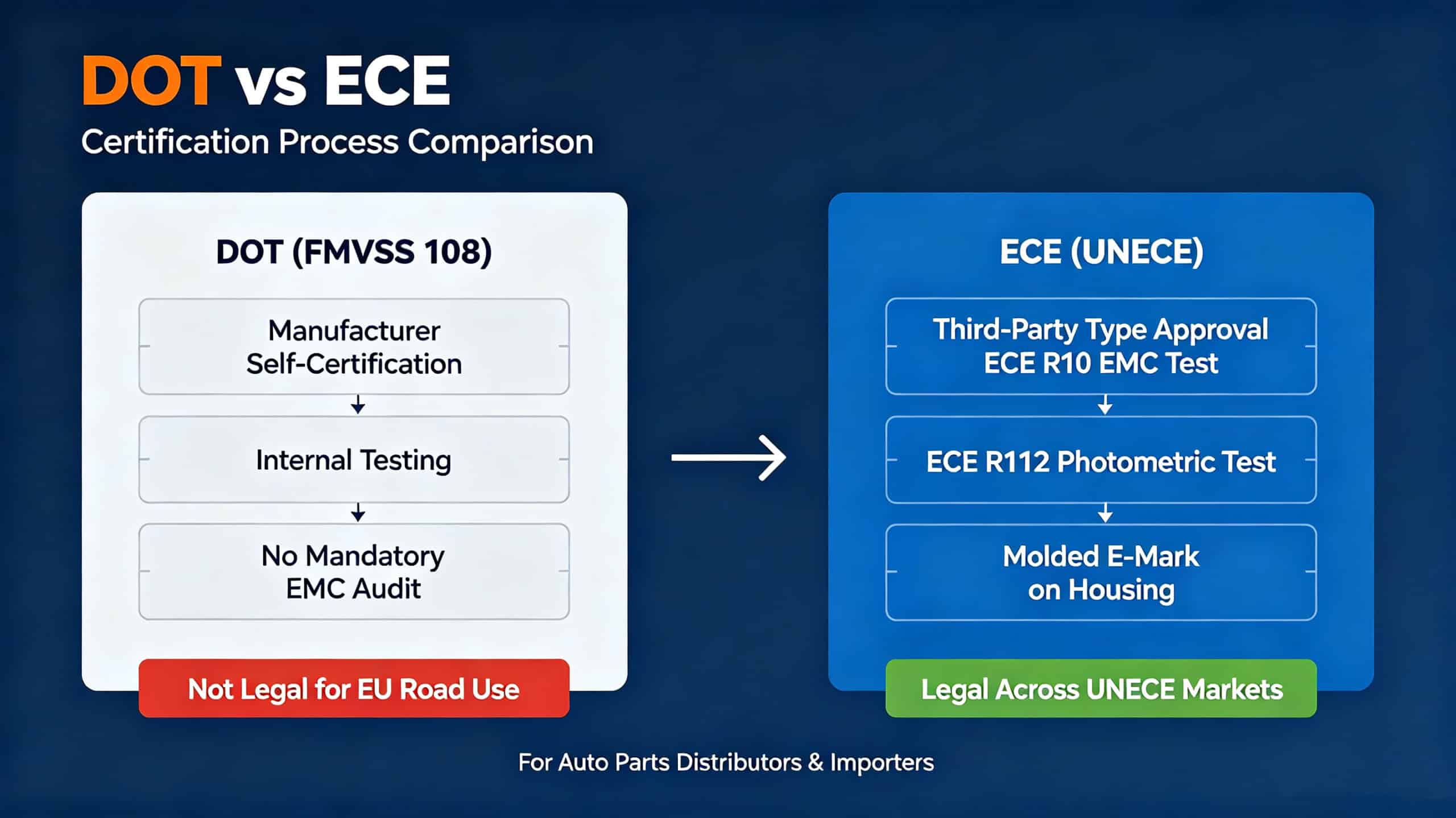
DOT vs ECE: Why They Are Not Interchangeable
DOT and ECE are the two dominant global automotive lighting frameworks, but they are built on completely different philosophies — especially when it comes to electronic compatibility.
DOT (FMVSS 108) – Self-Certified, Light on EMC
The U.S. DOT standard under FMVSS 108 focuses almost entirely on photometric output and glare caps. It operates on a self-certification model, with no mandatory third-party EMC testing for aftermarket LED drivers.
- High risk of CANBUS faults on European vehicle platforms
- No independent EMC lab audit required
- Allows higher electromagnetic noise from LED circuits
- Not recognized by any UNECE member state for road use
ECE – Third-Party Tested, EMC Mandatory
UNECE ECE regulations require formal type approval by accredited labs. For any LED headlamp with an electronic driver, ECE R10 EMC testing is non-negotiable for legal sale and road use.
- Mandatory third-party emission & immunity testing
- Strict limits on electrical noise to protect vehicle systems
- Valid across 54+ UNECE countries via mutual recognition
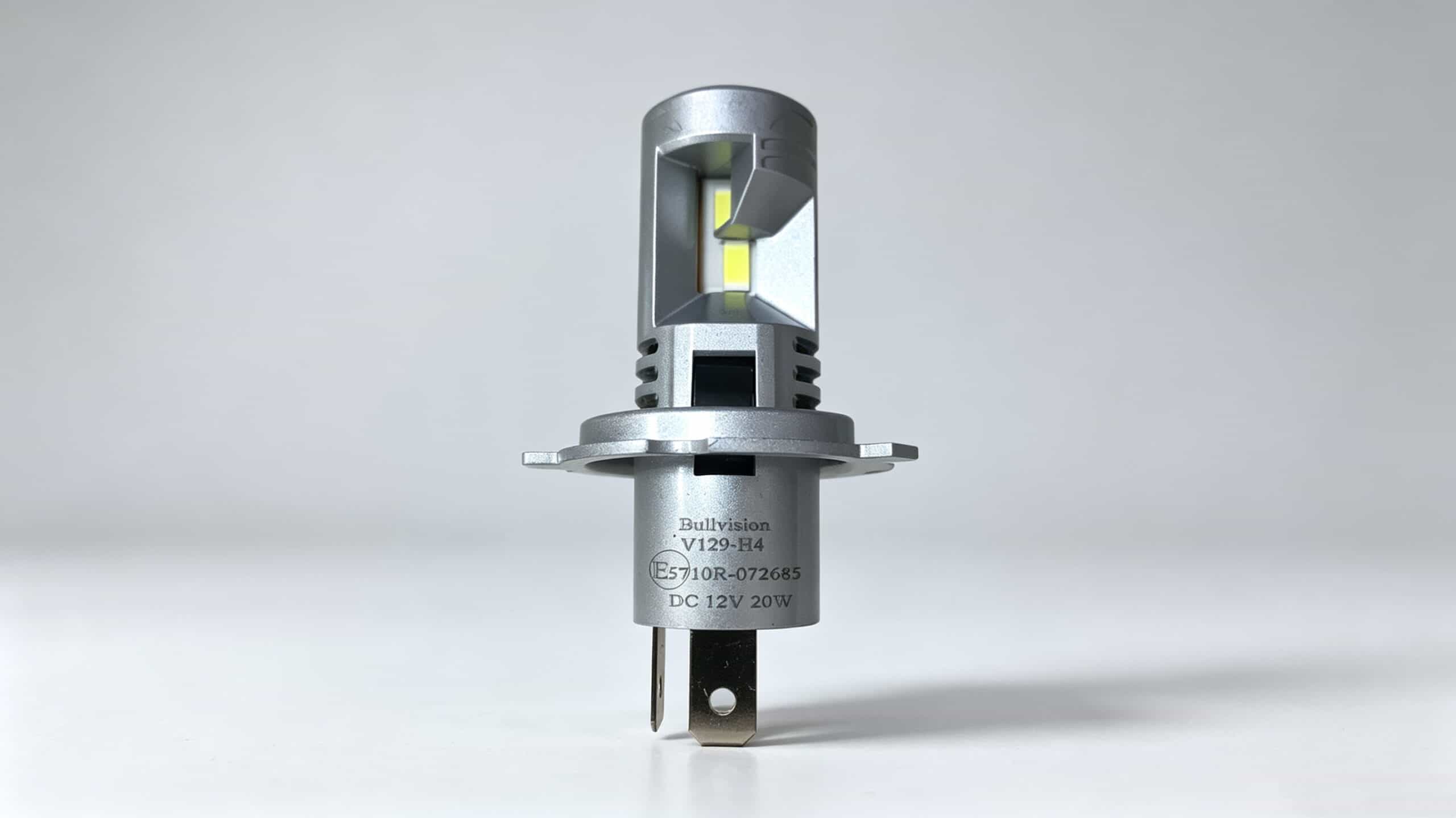
- Permanently molded E-Mark marking required on housing
Side-by-Side Comparison
| Aspect | DOT (USA/Canada) | ECE(Europe/International) |
| Certification model | Manufacturer self-certification | Mandatory third-party type approval |
| EMC (R10) required | No | Yes,mandatory for LED assemblies |
| Primary failure risk | Glare/brightness | Electronic interference/CANBUS |
| EU road legality | Not accepted | Fully legal with R10 approval |
| Customs clearance risk | High-may be detained | Low with full documentation |
| Approval marking | No official molded mark | Molded E mark wit regulation numbers |
Key takeaway for wholesalers: Importing DOT LED headlights for European road use will result in market surveillance seizure, mass returns and liability. You cannot “convert” a DOT lamp to ECE specification.
ECE R10: The EMC Standard That Defines Wholesale Risk
ECE Regulation No. 10 is the UNECE standard for electromagnetic compatibility in vehicle electronic sub-assemblies. For LED headlights with built-in drivers and decoders, it is the baseline certification
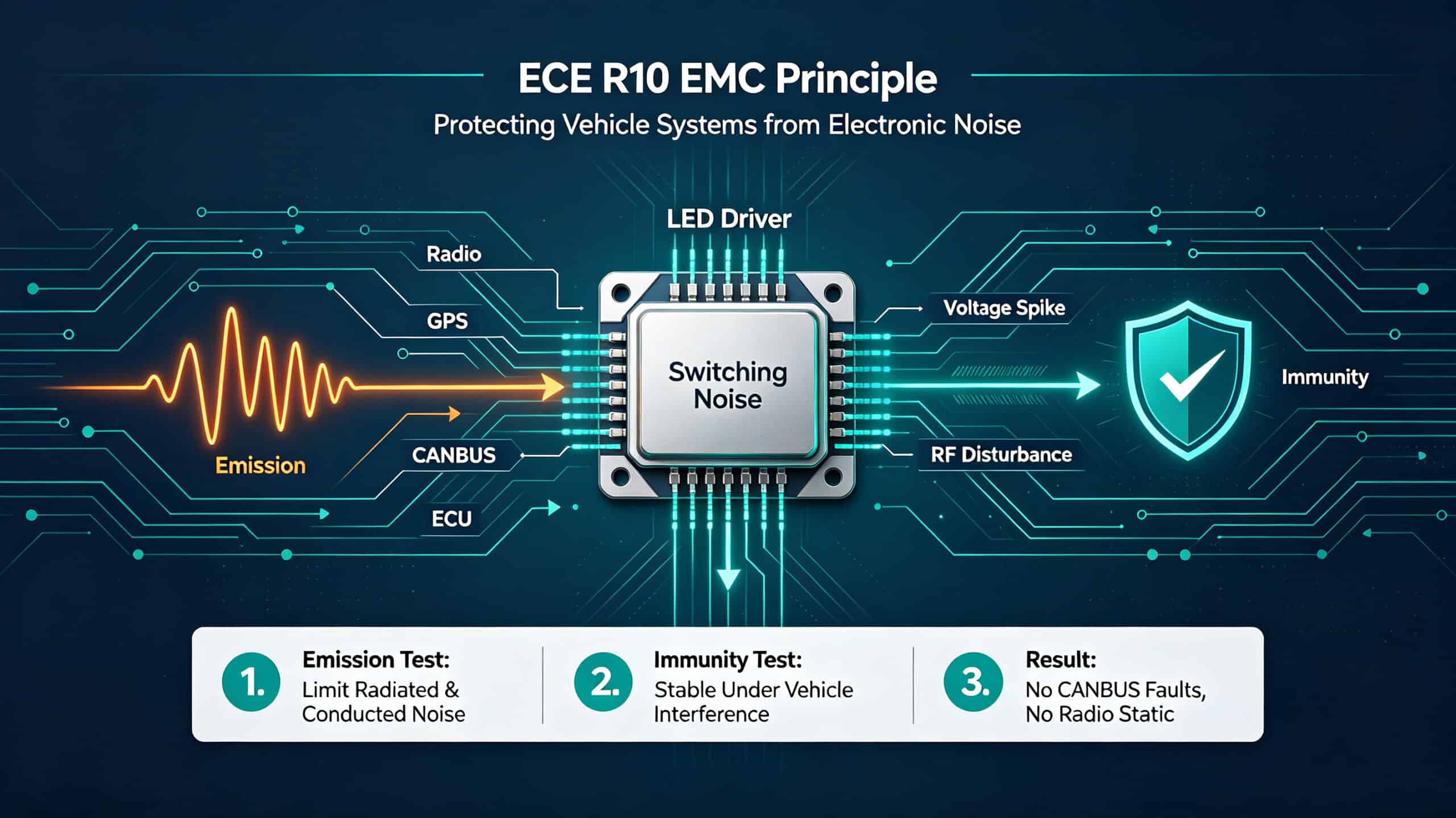
Two Core Tests of ECE R10
1. Emission Test
Limits the amount of electromagnetic noise radiated and conducted by the LED driver. Excess noise interferes with car radios, GPS, Bluetooth, CANBUS data buses and ECU communication.
2. Immunity Test
Verifies the headlight resists external interference from the vehicle’s electrical environment. Poor immunity causes flickering, random shutdowns and phantom fault codes.
Generic aftermarket lamps typically use unshielded buck drivers, single-sided PCBs and basic resistor-based decoders. These designs cannot pass formal EMC laboratory testing, even when supplied with printed E-Mark stickers. The downstream costs for distributors are substantial:
- Persistent dashboard bulb warning codes that cannot be cleared
- Radio static and GPS drift reported by end customers
- Headlight flickering and intermittent operational failure
- Market authority spot checks and mandatory product recalls
- Elevated return rates eroding margin and dealer trust
Case Study: German Aftermarket Distributor
A regional German distributor supplying 120+ repair workshops switched from uncertified generic LED bulb kits to our ECE R10 certified full headlamp assemblies in Q1 2024.
- Before: 18% product return rate; 72% of returns attributed to CANBUS errors and radio interference
- After: 2% product return rate; nearly all returns related to mechanical fitment
- Outcome: 32% higher net margin on the lighting category within 6 months
The largest financial improvement came from reduced technician call-outs and warranty labor claims charged back by garage clients.
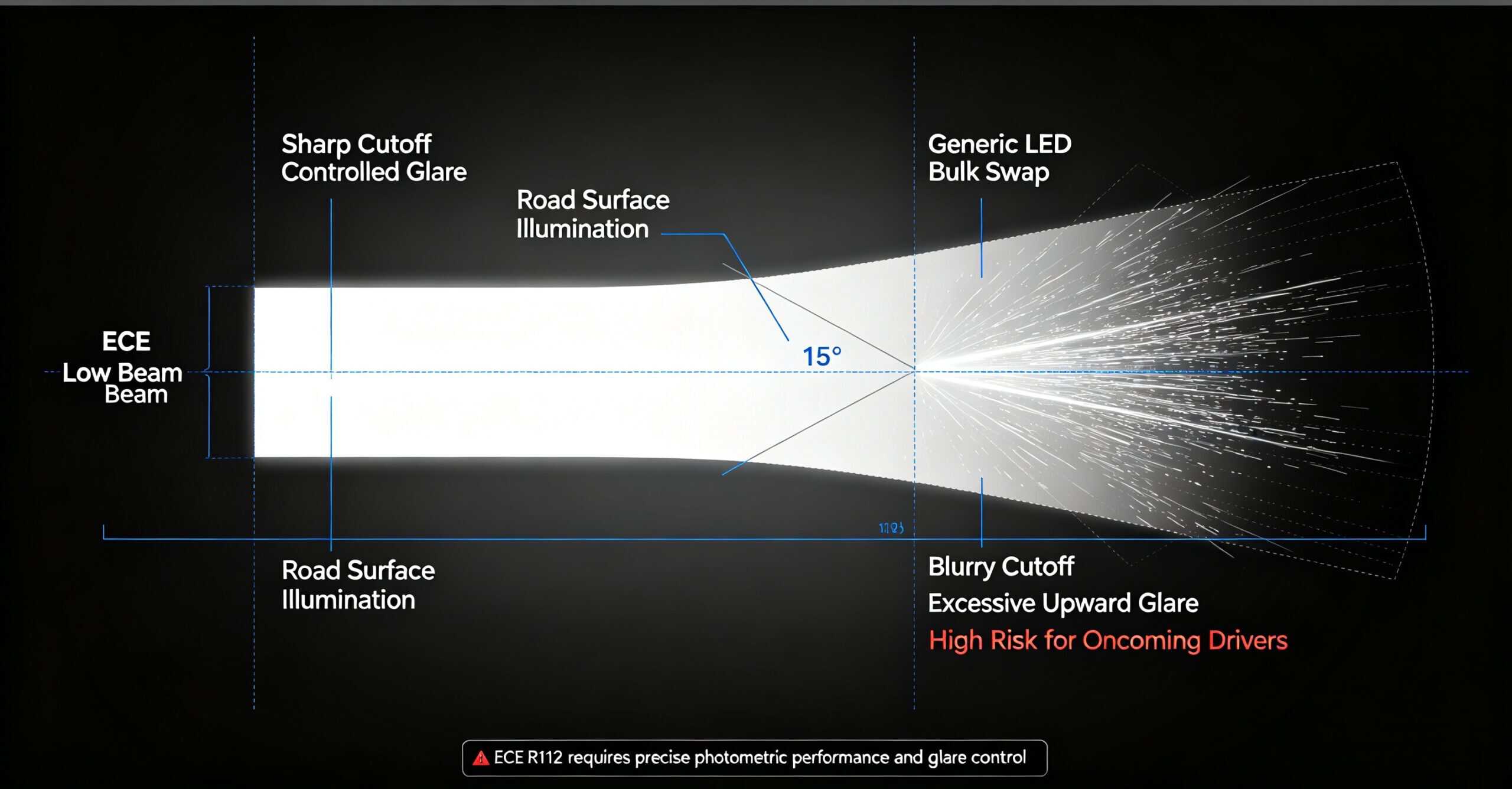
Full Road Legality: R10 + R112 Dual Approval
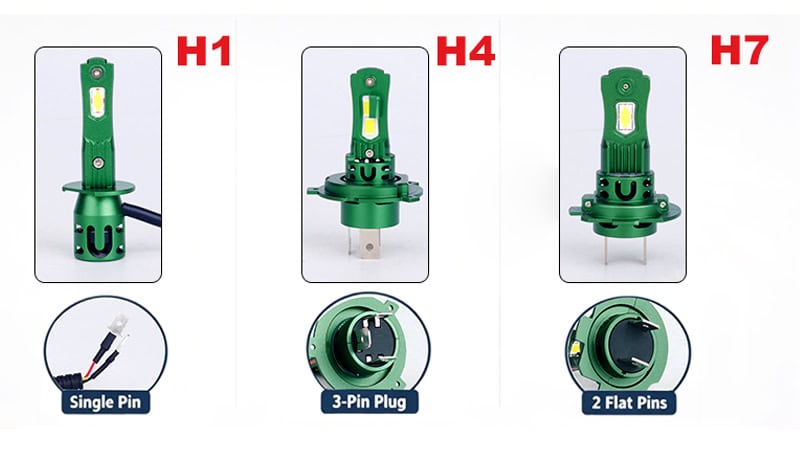
Why does H4 have dual beam?
ECE R10 alone does not make a headlight road legal. Full on-road compliance requires two separate and equally mandatory type approvals:
- ECE R10 – Electromagnetic compatibility (electronics)
- ECE R112– Photometric beam pattern (optics)
Download our free ECE Road Legal Checklist for Wholesalers. Verify every requirement before you place your next container order. R048r13e_0.pdf
Supplier Sourcing Checklist: Verify R10 Before Bulk Order
Use this checklist to screen suppliers and avoid costly compliance mistakes:
- ✅ Official ECE R10 type approval certificate from an accredited Technical Service
- ✅ Full EMC emission and immunity test reports, not just photometric data
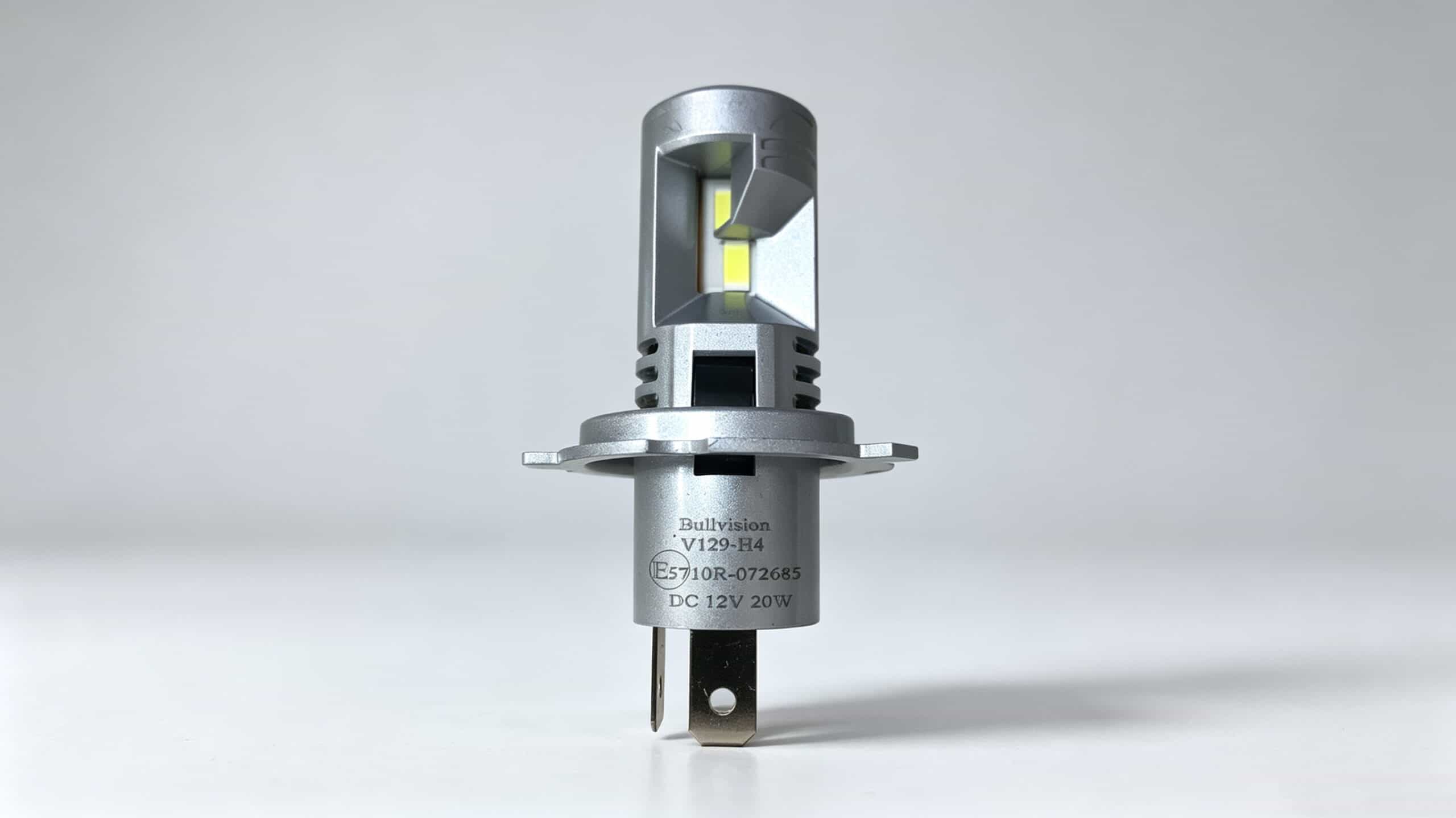
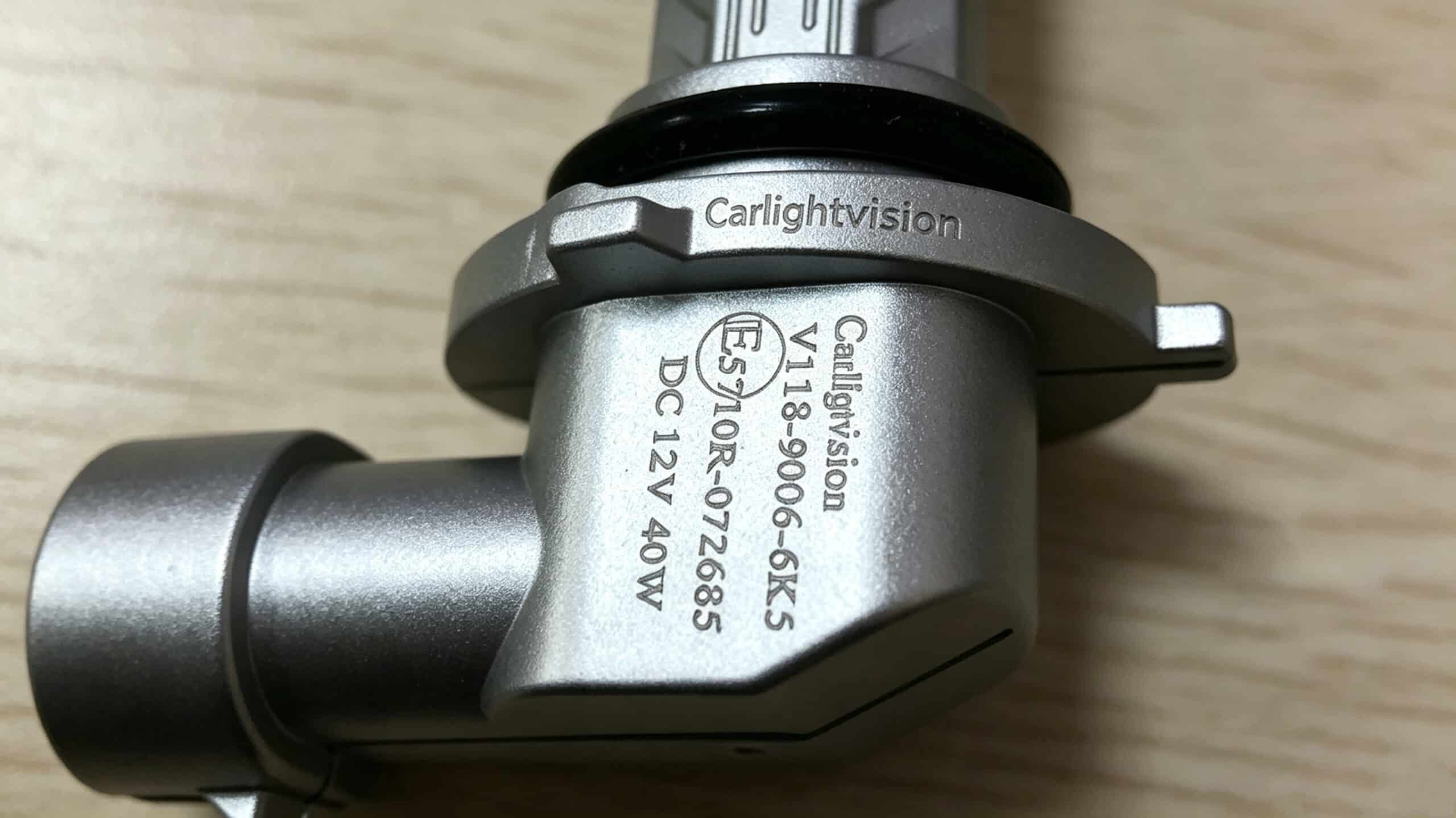
- ✅ Molded E-Mark + R10 code on the lamp housing, not a sticker
- ✅ Vehicle-specific CANBUS compatibility list
- ✅ Built-in filtered LED driver design
- ✅ Factory technical support for EMC-related issues
Be especially careful of suppliers who offer “ECE-approved bulbs” or “E-Mark stickers”. how to identify fake E-mark product.
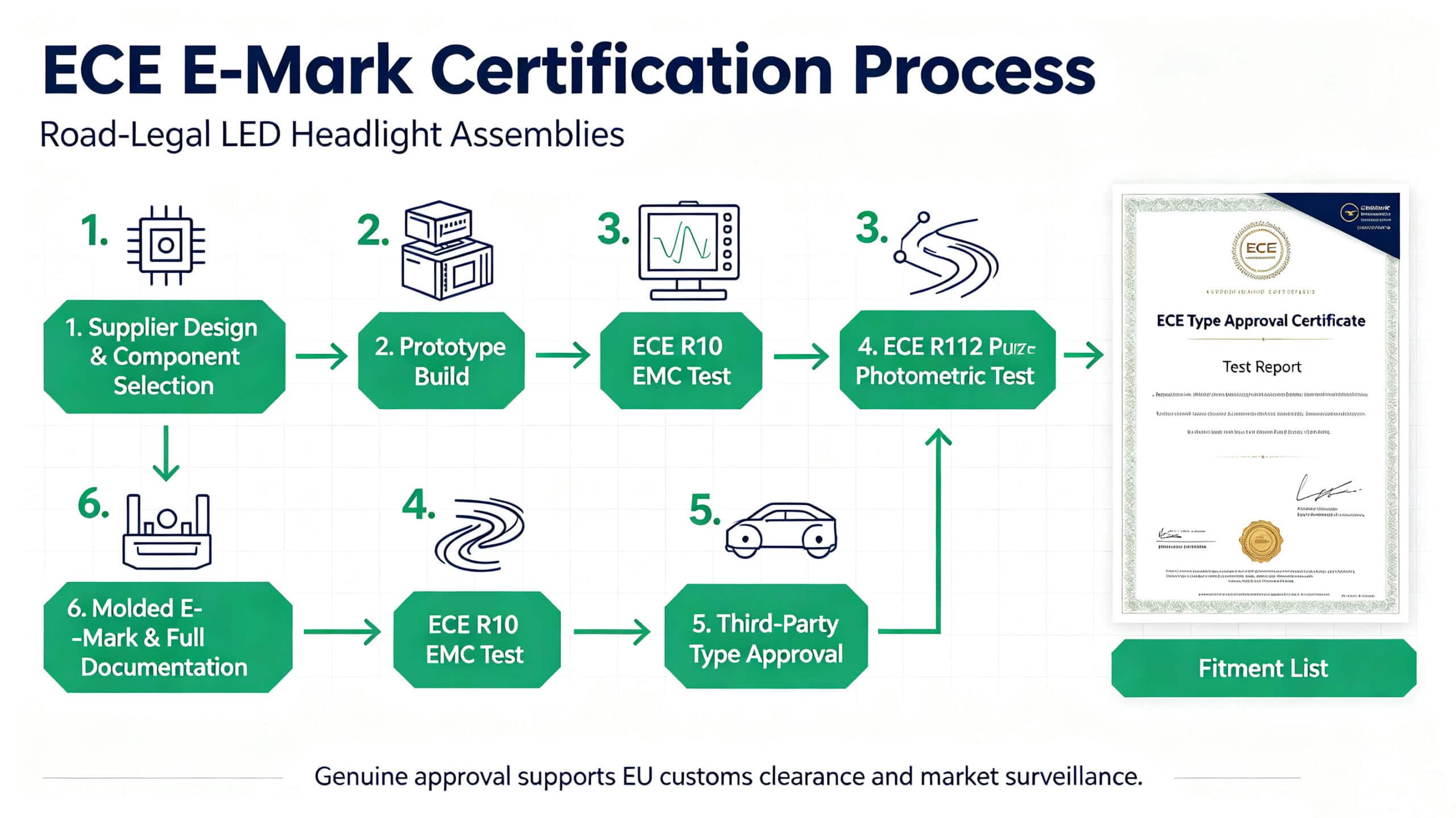
Our ECE R10 Certified LED Headlight Assemblies for Wholesale
We manufacture and supply E57 E-Mark, ECE R10 + R112 dual-certified direct-replacement LED headlamp assemblies for the European aftermarket. Designed as drop-in halogen replacements, they are fully road legal and optimized for minimal returns. View full product range →
standards consistently. US DOT standards are more lenient, which is why many American-market cars use other bulb types like 9005/HB3 and 9006/HB4 instead.
Why Distributors Partner With Us
- Genuine ECE R10 EMC design: Shielded driver with multi-stage filtering eliminates radio interference and CANBUS error codes
- R112 precision optics: Sharp cutoff beam passes photometric inspection consistently
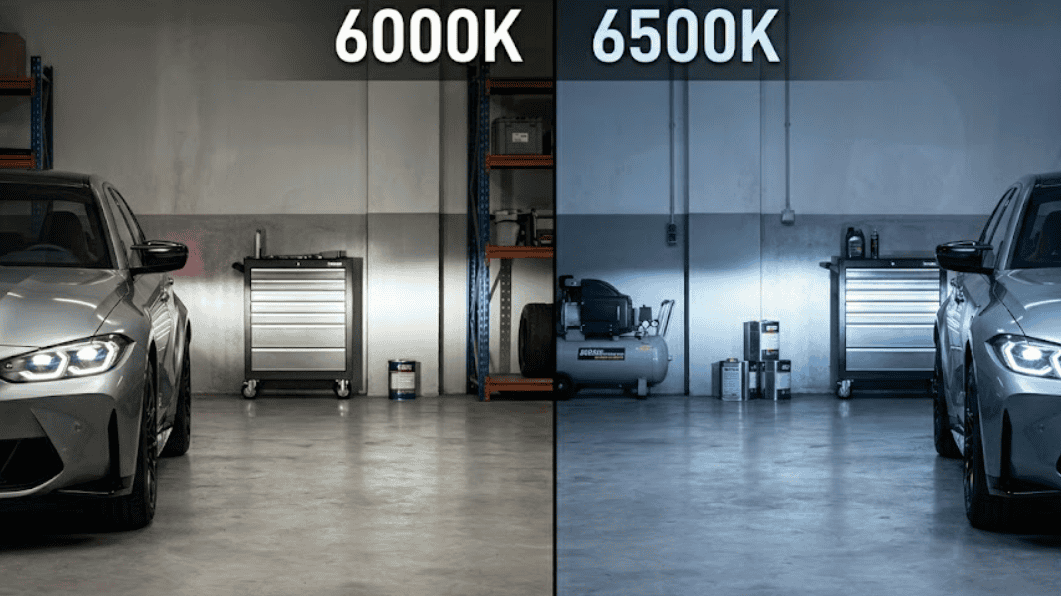
- 5500K compliant white light: Within ECE color specification, no illegal blue tint
- 50,000+ hour lifespan: Stable thermal design reduces warranty claims
- Plug & play fitment: Direct bolt-in replacement for original halogen lamps
Full Documentation Package With Every Order
Every wholesale shipment includes complete regulatory documentation to support customs clearance and customer verification:
- Official ECE R10 + R112 type approval certificates
- Full EMC test reports
- Vehicle fitment catalog
- Installation and beam aiming guide
Wholesale Terms & Services
- Sample orders available for quality and certification verification
- Negotiable MOQ for trial orders and full container loads
- Neutral white box packaging or custom private label options
- Dedicated technical support for sales and service teams
- OEM / ODM customization capabilities
Upgrade Your Vehicle’s Lighting Today
At Car Light Vision, we offer reliable fog lights and brighter headlight upgrades designed for better safety, brightness, and easy installation. Whether you’re upgrading a single vehicle or need bulk LED solutions, our experts can help you choose the right fit.
Contact us today for personalised recommendations, pricing, and wholesale lighting solutions.
FAQs
Q1: What is ECE R10 for automotive LED headlights?
ECE R10 is the UNECE electromagnetic compatibility (EMC) regulation. It ensures electronic LED headlamp assemblies do not emit excessive electrical noise and can resist external vehicle interference, preventing CANBUS warnings, radio disturbance and ECU malfunctions.
Q2: What is the difference between ECE R10 and ECE R112?
ECE R10 covers EMC / electromagnetic compatibility. ECE R112 controls photometric beam pattern, cutoff and light output. Fully road legal LED headlamps for EU need BOTH R10 and R112 approvals.
Q3: Can I get samples of your ECE R10 + R112 certified LED headlight assemblies?
Yes. We support sample orders for quality and certification verification. Sample cost and freight can be discussed with our B2B sales team.
Q4: Will you provide full ECE R10 certification documents for customs clearance?
Yes. We supply original ECE R10 + R112 type approval certificates, EMC test reports and fitment list for every wholesale shipment to support EU customs and market surveillance.
Q5:What risks do non-R10 compliant LED headlights bring for wholesalers?
Non-R10 LED headlights cause dashboard CANBUS warning lights, radio/navigation interference, ECU glitch, product recalls, customs detention, high return rates and liability claims for distributors and garages.
Q6:Does ECE R10 certification replace ECE R112?
No. They are separate mandatory regulations. R10 handles EMC electronics, R112 controls beam optics. A headlamp without R112 cannot pass photometric inspection even if it holds R10 approval.
Q7:What is ECE R10 certification?
ECE R10 is the UNECE electromagnetic compatibility (EMC) regulation for automotive components. It limits electrical noise from LED drivers and ensures resistance to interference, protecting vehicle CANBUS, ECU, radio and navigation systems.e resold for on-road use across EU/EEA markets.
Q8:What causes CANBUS errors with LED headlights?
CANBUS errors are mostly caused by non-compliant LED drivers that emit electromagnetic noise or draw incorrect current. 41% of LED headlight warranty claims in Europe stem from EMC/CANBUS issues, not bulb failure.
Q9:Is CE mark the same as ECE R10?
No. CE is a general EU product conformity mark. ECE R10 is a specific automotive EMC type approval requiring independent lab testing. CE marking does not make a headlight road legal in Europe.load resistor.
Final Thoughts
For European auto parts wholesalers, the DOT vs ECE question ultimately comes down to risk management. DOT headlights may be cheaper upfront, but the hidden costs of returns, complaints and compliance action almost always outweigh the savings.
ECE R10 is not a marketing checkbox — it is the regulatory foundation that determines whether your LED lighting inventory is sellable, profitable and legally compliant.
Our R10-certified headlight assemblies are engineered specifically for the European market, with proven low return rates and full documentation support. Contact our B2B team to discuss your requirements.
Written by
Mark Yang
25 years in automotive lighting