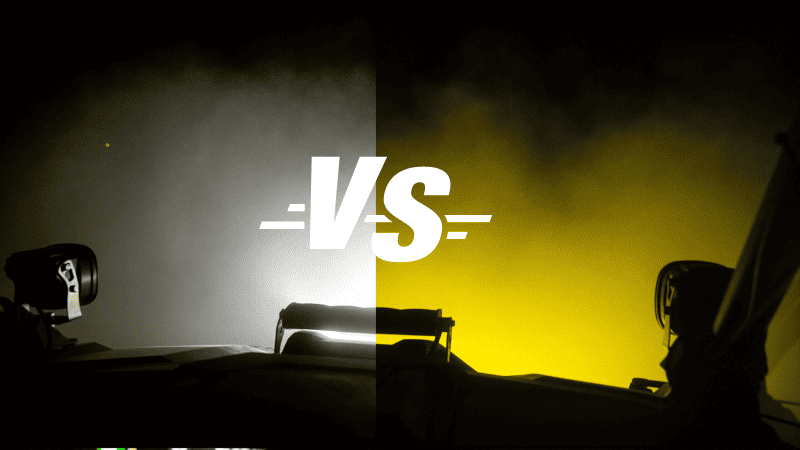
Which is better for you, yellow or white fog lights? Use yellow (3000K) for fog, snow, and heavy rain. It reduces glare by up to 40% for your eyes. Use white (5000-6500K) for clear nights and city driving. White appears brighter for your nighttime visibility.
This guide answers your questions:
- when to use each color
- the best color for fog
- Is it legal to have yellow fog lights?
- why drivers like yellow fog lights
You will also find fitment for your Honda Accord, Honda Pilot, Ford Escape, Focus ST, and truck.
What are Fog Lights?
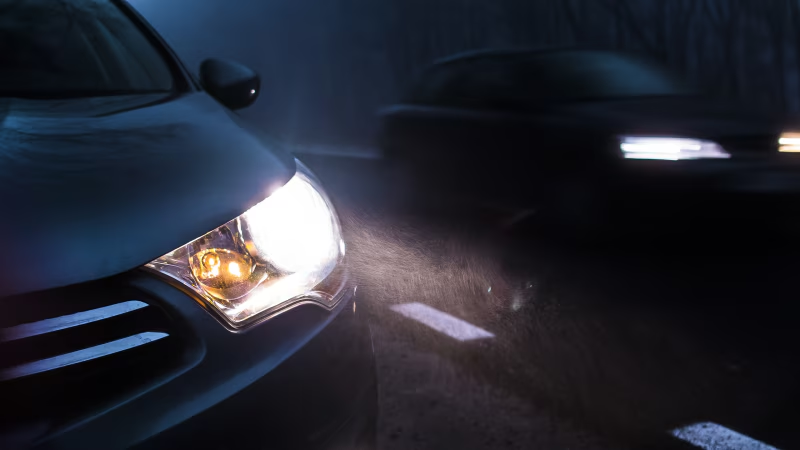
Fog lights are specialized lights designed for use in poor visibility conditions, such as fog, rain, or snow. Unlike regular headlights, fog lights have a low beam pattern.
They are mounted near your front bumper to reduce glare and illuminate the road directly ahead. This helps you see lane lines and the road surface more clearly.
How to Measure Fog Lights’ Visibility?
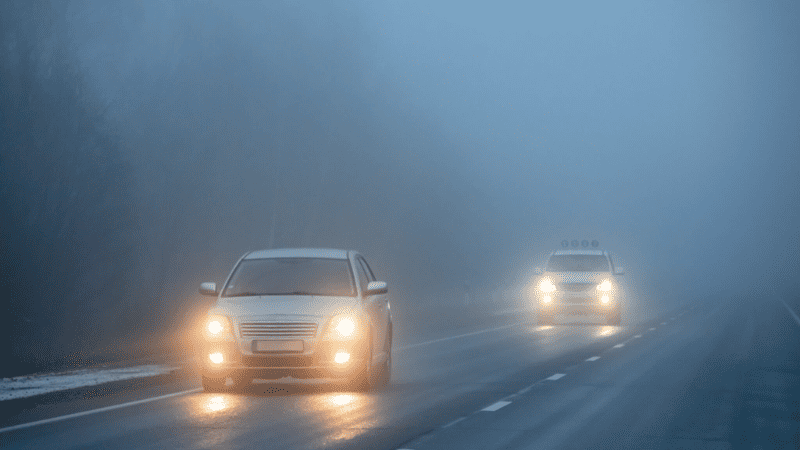
Although meteorologists use a “viscometer” to measure visibility in miles (where 10 miles means good visibility), we will take the less technical approach.
Both white and yellow fog lights (or amber fog lights) are assessed using what is referred to as the Visibility Index (VI). This index is designed to quantify the ease with which drivers can see under various conditions without any visual aid.
This index is structured on a scale that goes from 1 to 10. On this scale, a rating of 1 means abysmal visibility, the type you might experience in severe weather conditions like heavy storms. On the other hand, a rating of 10 represents ideal conditions for driving—clear and sunny skies with virtually unlimited visibility.
Yellow vs White Fog Lights: Side-by-Side Comparison
| Feature | Yellow Fog Lights (3000K) | White Fog Lights (5000-6500K) |
|---|---|---|
| Best for your driving | Fog, snow, heavy rain, dust | Clear nights, urban driving |
| Wavelength | ~585nm (longer) | 400-700nm (shorter) |
| Backscatter (glare to you) | 40% less | High |
| Eye strain for you (2+ hours) | Low | Moderate to High |
| Legal in US/EU for your car | Yes (selective yellow) | Yes |
| Perceived brightness to your eyes | Good | Excellent |
| Recommended bulb types for your vehicle | H11, 9005, 9006, H10 | H11, 9005, 9006, H10 |
Pros and Cons of Yellow Fog Lights
Why do you and other drivers like yellow fog lights? Because they penetrate fog better, cause less glare, reduce your eye fatigue, and improve contrast on wet roads for you.
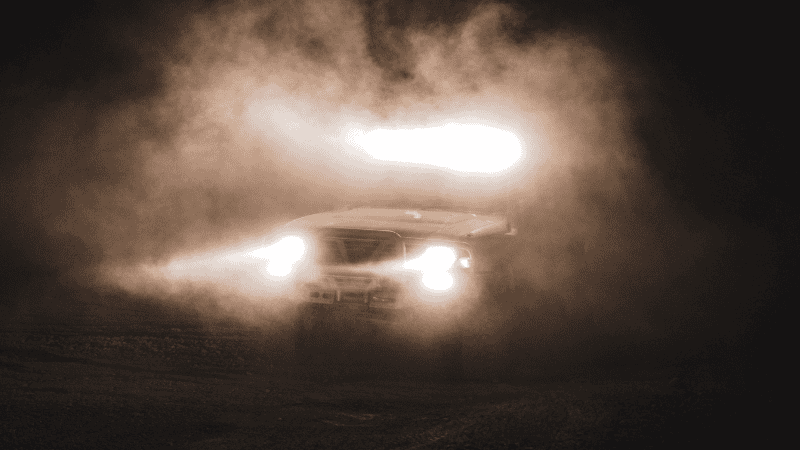
1. Pros of Yellow Fog Lights
- Better fog penetration – The longer wavelength (~585nm) scatters less, so you see farther.
- Less glare – Yellow reduces backscatter by up to 40% compared to white, protecting your eyes.
- Reduced eye strain – The warm 3000K light is easier on your eyes during long drives.
- Improved contrast – You can spot road edges and obstacles on wet asphalt more easily.
- Legal in most countries – You can install them without worry (see Section 7).
2. Cons of Yellow Fog Lights
- Yellow appears dimmer than white on clear nights.
- The color may not match your modern white LED headlights if you prefer a uniform look.
Pros and Cons of White Fog Lights
You should use white fog lights on clear nights, highways, and city streets. They give you maximum brightness and a modern look.
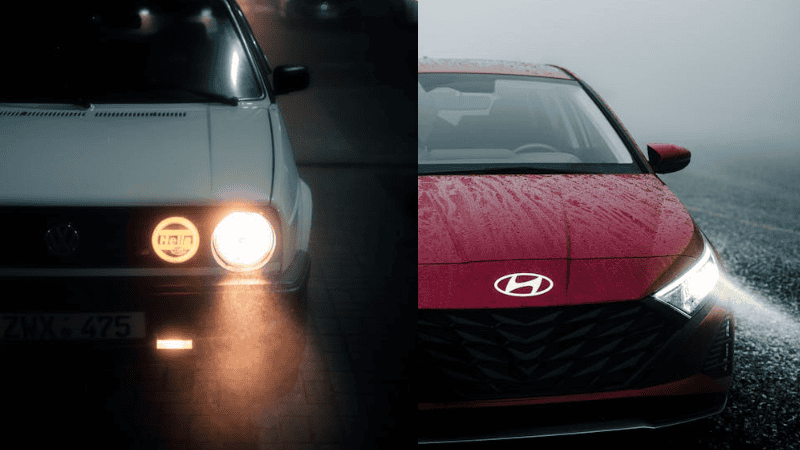
1. Pros of White Fog Lights
- High brightness (5000–6500K): White fog lights produce a crisp, bright beam. The light looks sharp and clear to your eyes.
- Better visibility at night: They work great on clear nights. You can spot signs, corners, obstacles, and animals sooner.
- Faster hazard detection: The strong white beam lights up dark areas well. This helps you react earlier to road hazards.
- Modern OEM look: White matches most factory LED headlights. It gives your vehicle a clean, modern appearance.
- Great for daily driving: They combine strong visibility with stylish looks. A solid choice for everyday use.
2. Cons of White Fog Lights
- Not ideal in fog, rain, or snow: In bad weather, white light reflects more off water and snow particles. This can make it harder for you to see clearly.
- More glare back to your eyes: In fog, the light can bounce back toward you. The glare may reduce what you can see ahead.
- Can feel too harsh: On clear roads, the brightness helps. But in fog or snow, it may feel too intense for your eyes.
- May tire your eyes faster: If you drive for a long time at night, the extra glare can make your eyes feel tired.
- Less useful in heavy fog: When visibility gets really poor, white fog lights may not help you as much as yellow ones.
When to use yellow vs white fog lights?
If you compare side by side, you may think both white fog lights and yellow fog lights are effective in poor visibility conditions. But what if you consider their effectiveness in specific scenarios?
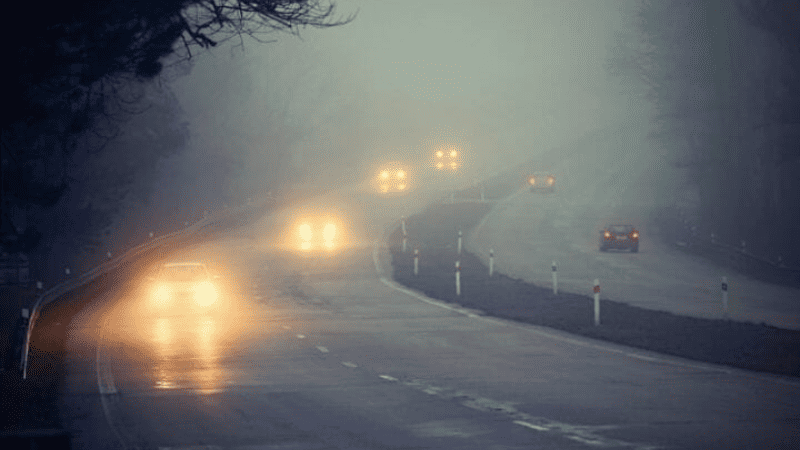
How many types of driving do we usually do? Off-road, City, and Highway, right? So, let’s see how both types of fog lights perform in these scenarios:
1. Off-Road Driving
For those who love off-roading, yellow fog lights are the best pick. They are great because they cut through dust, fog, and mist better than white lights, which can bounce reflections back at you. This means less glare and clearer vision on unpredictable terrains. Yellow lights’ warm glow makes it easier to spot obstacles and rough patches early, keeping your adventures safe.
2. City Driving
In city driving, where the streets are always busy, lit up, and full of unexpected obstacles, a white fog light is considered a brighter light. Their bright, powerful light cuts through the shine of city lights, making sure drivers can easily see people walking, cars stopping suddenly, and anything else that comes their way.
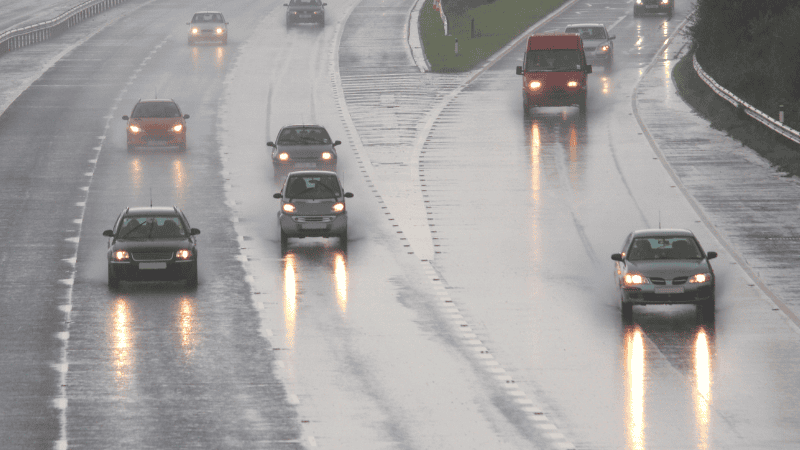
The thing about white lights is that they are good at helping you react fast in traffic jams or at busy intersections, thanks to their strong beam that stands out, even with all the other lights around. Also, they look modern and blend in well with city cars, adding a touch of style. Just angle those lights properly during rain to avoid blinding glare.
3. Highway Driving
Yellow fog lights truly come into their own on long highway stretches, often covered in light fog. They give off a softer light that spreads out more. This means no harsh bright spots bouncing back off fog or signs, which can be a problem with white lights.
The gentle, warm glow of yellow lights is easier on your eyes, too, making those long drives less tiring and safer. Yellow stands out, so other drivers will likely see you coming. This could be a big help in avoiding accidents on fast-moving highways where it is harder to see.
Important Note: Fog lights should be turned off within 500 feet of an oncoming vehicle and 350 feet when following another vehicle.
Besides these, you get other scenarios like whether you want to use them during daytime or only at night, how much you’re willing to spend on energy-efficient lights that do not drain your battery, and the laws and regulations in your area, which can make either white or yellow fog lights a better option for you.
What Color Fog Lights Are Legal
Yes, you can legally use yellow fog lights in the US (FMVSS 108 allows selective yellow), EU (ECE R19), Canada, Australia, and Japan.
You should always check your local vehicle code, but for 95% of drivers, yellow fog lights are perfectly legal for your car. You can also apply yellow tint film to your fog lights as long as the light output remains compliant.
| Region | Legal for Your Yellow Fog Lights? | Regulation |
|---|---|---|
| United States | Yes (selective yellow) | FMVSS 108 / SAE J583 |
| European Union | Yes | ECE R19 |
| Canada | Yes | CMVSS 108 |
| Australia | Yes (check your state) | ADR |
What is the best color for a fog light?
The following is a helpful guide to help you consider the key factors when deciding on fog lights:
1. Type of Fog Light Plug
Always check if the fog light plug matches the socket type in your vehicle. Most fog light plugs only fit with certain socket types, so knowing what your car needs is step one.

2. Durability
No one likes the hassle of changing fog lights often, even if they don’t cost much. Look for fog lights that promise lasting brightness to save yourself from frequent replacements.
3. Time of Usage
If you are mostly driving at night, white lights might be your best bet. They are super bright and help spot every detail on the road, from animals to other cars. However, during rainy days or in foggy weather, yellow lights can be a real help. They cut through the gloom better, offering clearer visibility.
4. Color Temperature
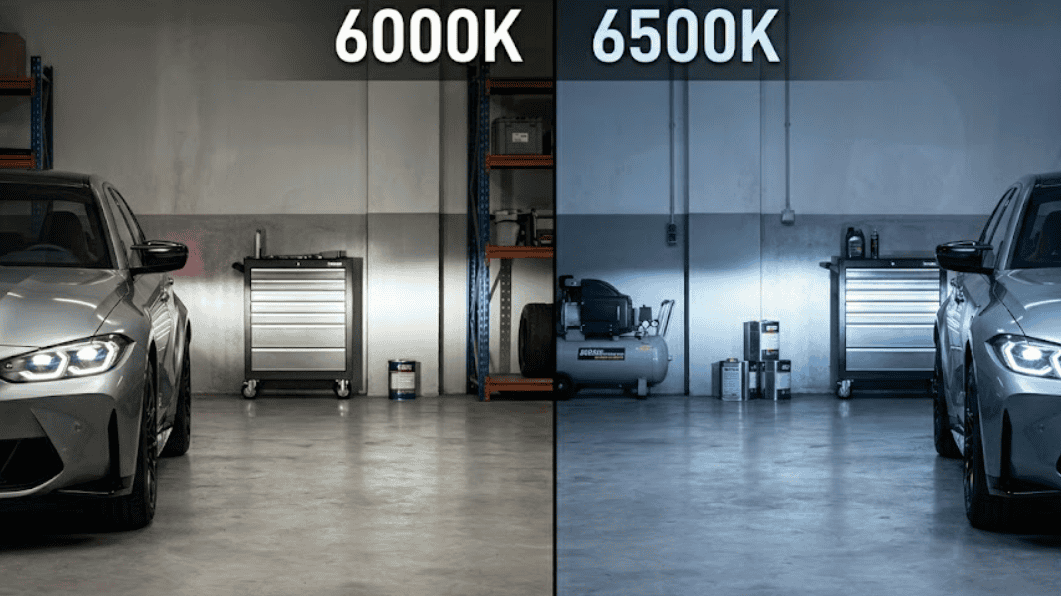
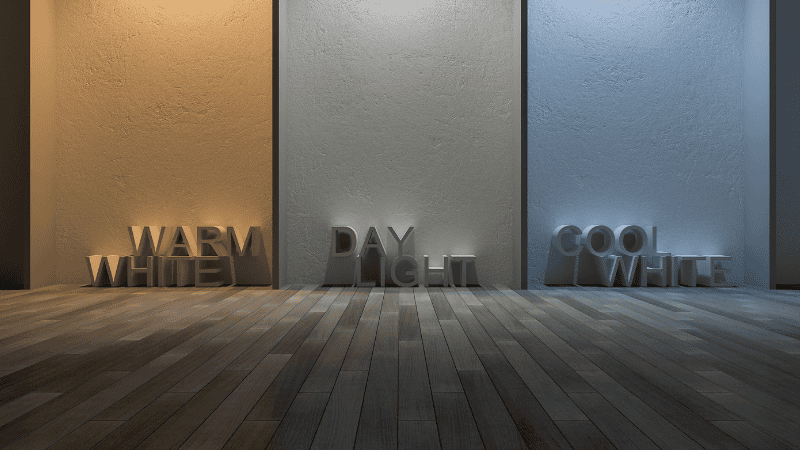
The warmth or coolness of the light affects how you see. Yellow lights are like a cozy fire at 2,000 to 3,000 kelvins, helpful in murky conditions. Meanwhile, white lights are like the midday sun at 5,000 to 6,000 kelvins, which is great for clear night vision.
5. Appearance
Besides all the technical stuff, you probably want your car to look good, too! Fog lights come in different styles, so choose one that adds that special touch to your vehicle’s look.
6. Manufacturer
Last but not least, always go for trusted manufacturers like Carlightvision. You might find a cheaper option in the local market, but they may not have focused on quality and durability.
Conclusion
Choosing between yellow vs. white fog lights for your vehicle comes down to understanding your specific needs and preferences. Whether off-road adventures, city travel, or long highway journeys, each scenario presents unique challenges that can be better navigated with the appropriate fog light color.
On the other hand, white fog lights offer powerful illumination that stands out among urban lighting, proving beneficial for city driving. Beyond color, factors like fog light plug compatibility, durability, and choosing trusted manufacturers are also important.
Upgrade Your Fleet with Carlightvision – Get Yours Today!
Nothing can match the dedication Carlightvision brings to innovation and quality. We have 70+ R&D staff, 100+ new designs monthly, 7+ quality checks, and CE certification for your safety.
We also check each product for quality more than 7 times, from the time we get our materials to when we pack them up. This means you can trust that what you are getting is top-notch and meets the high CE standards. Have any questions? Click Here!
FAQ
Q1: When to use yellow vs white fog lights?
Use yellow fog lights in fog, snow, heavy rain, or dust. Use white fog lights on clear nights or in well-lit city streets. If you face mixed weather, consider dual-color fog lights.
Q2: What is the best color for a fog light?
The best color depends on your driving conditions. If you drive often in fog or snow, choose yellow. If you drive mostly on clear, dry roads at night, choose white.
Q3: Which is better, yellow light or white light?
Neither is universally better. Yellow performs better in fog, snow, and rain (less glare, better penetration). White performs better on clear nights (higher brightness, modern look). Choose based on your most common weather.
Q4: Is it legal to have yellow fog lights?
Yes, in most regions. The US (FMVSS 108) and EU (ECE R19) allow yellow fog lights. Check your local vehicle code. Request certification documents from your supplier.
Q5: Why do people like yellow fog lights?
1. Better penetration in fog, snow, and rain
2. Less eye fatigue on long night drives
3. Improved contrast on wet roads
4. Legal in most countries