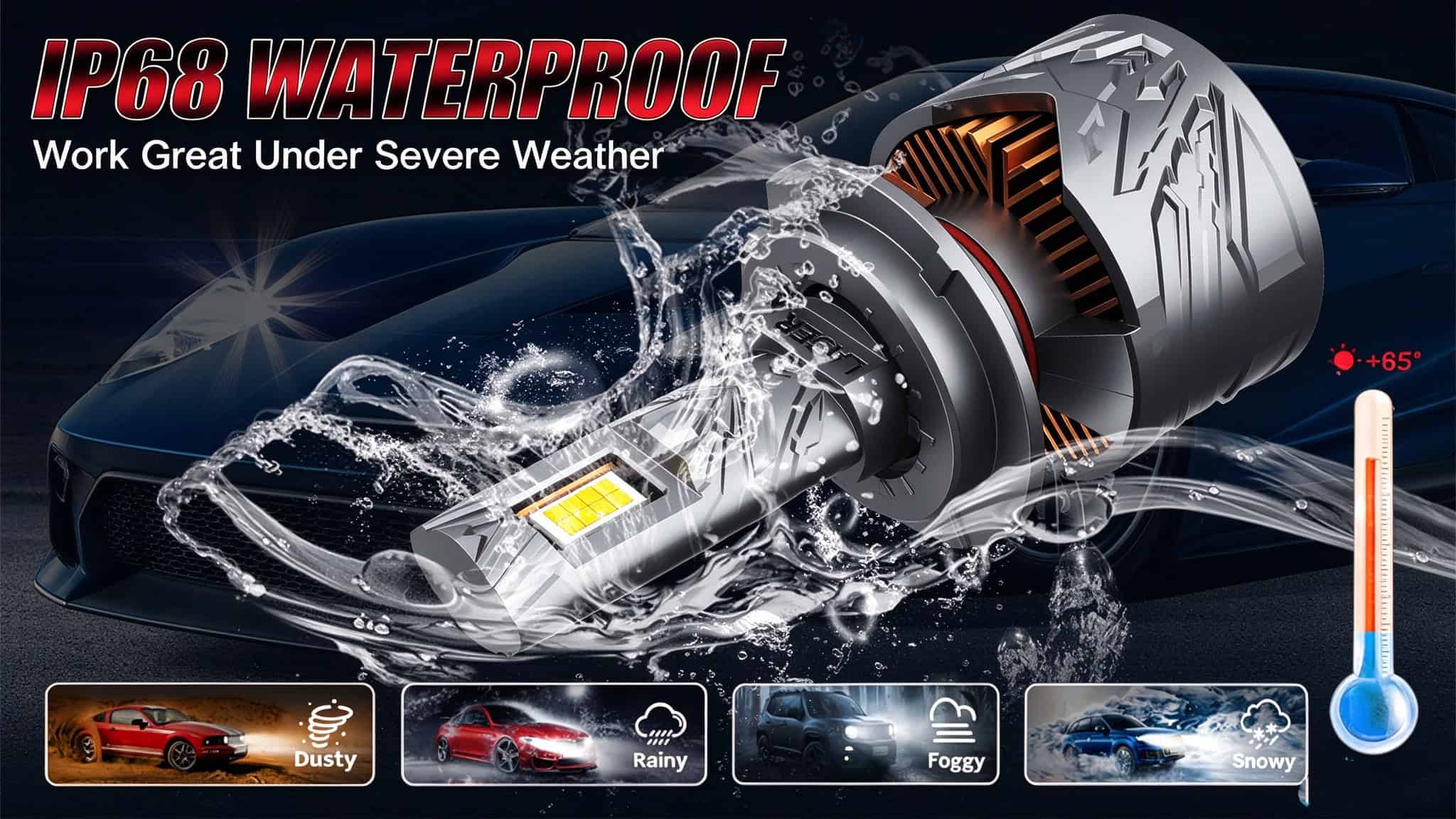
Sourcing automotive LED lighting—headlight bulbs, fog lights, signal lamps, and interior modules—is far more complex than sourcing general commercial lighting. As safety-critical components, automotive LEDs face strict regulatory standards, consistent batch quality requirements, and long-term reliability demands that generic LED factories rarely meet. A wrong supplier can lead to customs detention, product recalls, and permanent damage to your brand reputation.
Based on 25 years in automotive lighting quality management and factory sourcing across China and Southeast Asia, I’ve audited over 200 LED suppliers and seen every common pitfall from hidden component substitutions to fake certification documents. This guide breaks down the end-to-end selection process with field-verified criteria, real-case lessons, and a usable audit checklist you can apply directly to your sourcing work.
Initial Screening: Narrow Down Your Candidate Pool
Before scheduling factory visits or ordering samples, filter your longlist with these non-negotiable, automotive-specific criteria. This step eliminates 80% of unqualified suppliers upfront.
Core product specialization
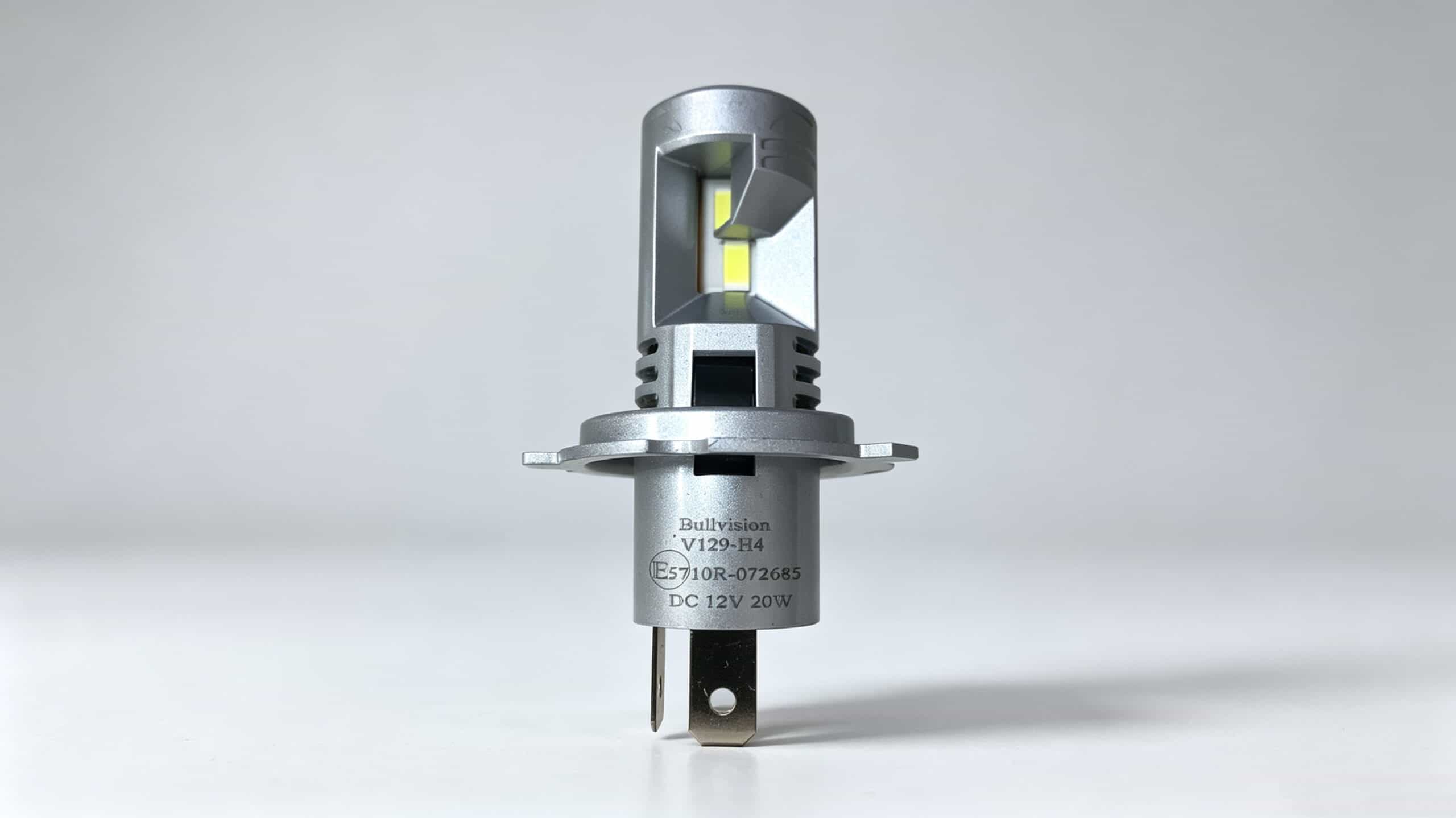
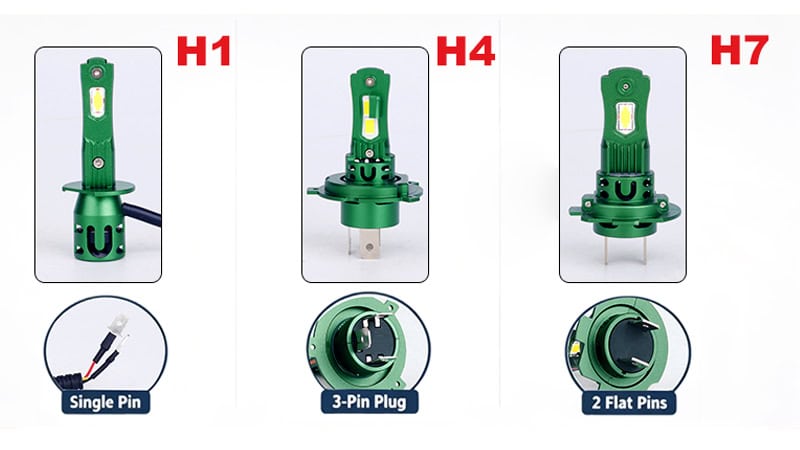
Prioritize suppliers focused exclusively on automotive lighting, not general lighting factories that dabbled in car bulbs on the side. Specialized automotive LED suppliers invest in dedicated optical testing equipment, vehicle-grade component sourcing, and regulatory expertise that generalist factories cannot match. A reliable signal: their product catalog only covers H1/H4/H7/H11 headlight bulbs, fog lamps, and automotive interior lighting—not household bulbs, street lights, and industrial fixtures all mixed together.
Regulatory certification: understand the hierarchy, don’t just check a list
A common mistake is treating DOT, ECE R10, and IATF 16949 as interchangeable “required certifications.” They serve completely different purposes, and listing them side by side can mislead you into thinking a factory is market-ready when it is not:
- Market access certification (product-level): For the EU, this means ECE R112 (headlight beam pattern) + ECE R10 (electromagnetic compatibility); for the US market, it is DOT/SAE FMVSS 108 compliance. These are mandatory to legally sell the product in the target region. For official regulatory reference, verify standards through the UNECE Vehicle Regulations portal.
- Quality management system certification (factory-level): IATF 16949, the global automotive quality management standard (see official IATF certification guidelines), verifies the factory has consistent processes, not that any specific product is compliant.
Pro tip: Always verify that the certification holder name matches the factory name, and that the certificate covers the exact product model you are sourcing. Many suppliers show certificates for old products or other company entities.
Proven production capacity & order backlog
Confirm their maximum monthly output for your specific product type matches your current and 6-month projected volume. Ask for their current order backlog: a backlog above 80% of monthly capacity is an early warning sign that lead times may slip; above 90% is a high-risk threshold where your orders will almost certainly be deprioritized during peak production seasons.
Client track record
Request references from automotive buyers similar to your business—same product category, similar order size, same target market. A supplier with a 3+ year history of supplying established automotive parts brands is far more reliable than one with only consumer e-commerce reviews.
OEM vs ODM: Which Model Fits Your Automotive Lighting Business?
The choice between OEM and ODM directly impacts your upfront cost, time to market, and product differentiation. There is a common misconception worth clarifying first: ODM does not mean zero tooling cost.
OEM Automotive LED Manufacturing
Original Equipment Manufacturing means you provide the full optical design, mechanical dimensions, electrical specs, and branding. The factory produces units exactly to your drawings.
- Best for: Established brands with proprietary optical designs, custom fitment requirements, or unique performance targets.
- Pros: Full control over IP and product differentiation; exclusive design for your brand.
- Cons: Higher upfront tooling and validation costs; 30–60 days of additional lead time for fully custom OEM projects with new optical designs and tooling.
ODM Automotive LED Manufacturing
Original Design Manufacturing means the factory has already developed, tested, and certified standard LED bulb designs. You select from their catalog and apply your own branding.
- Best for: New brands, small-batch wholesalers, and businesses looking to launch products quickly.
- Pros: Faster time to market; no optical development cost; pre-certified product designs.
- Cons: Limited differentiation; custom modifications (special connectors, custom heat sinks, unique packaging) will still incur tooling fees, even for ODM base models.
Key takeaway: Many top-tier automotive LED suppliers offer both models. Start with ODM to validate market demand, then transition to OEM for custom high-volume SKUs as you scale. For a detailed cost and timeline breakdown by project type, see our complete guide to OEM Top 10 Automotive LED Lighting Manufacturers in China(2026)
Factory Audit: Verify Capabilities On-Site or Remotely
A factory audit is the single most effective way to avoid quality disasters later. Over 25 years, I’ve seen dozens of suppliers with beautiful product photos and polished sales teams that fell apart the moment you stepped on the production floor.
Pre-audit document check
Request these before any on-site or remote audit:
- Valid product certification reports (ECE, DOT) with test lab stamps. https://www.nhtsa.gov/interpretations/
- IATF 16949 certificate with scope verification
- BOM (Bill of Materials) for your target product, listing chip brand, driver IC, and heat sink material
- Equipment list for production and testing
Critical on-site audit focus areas
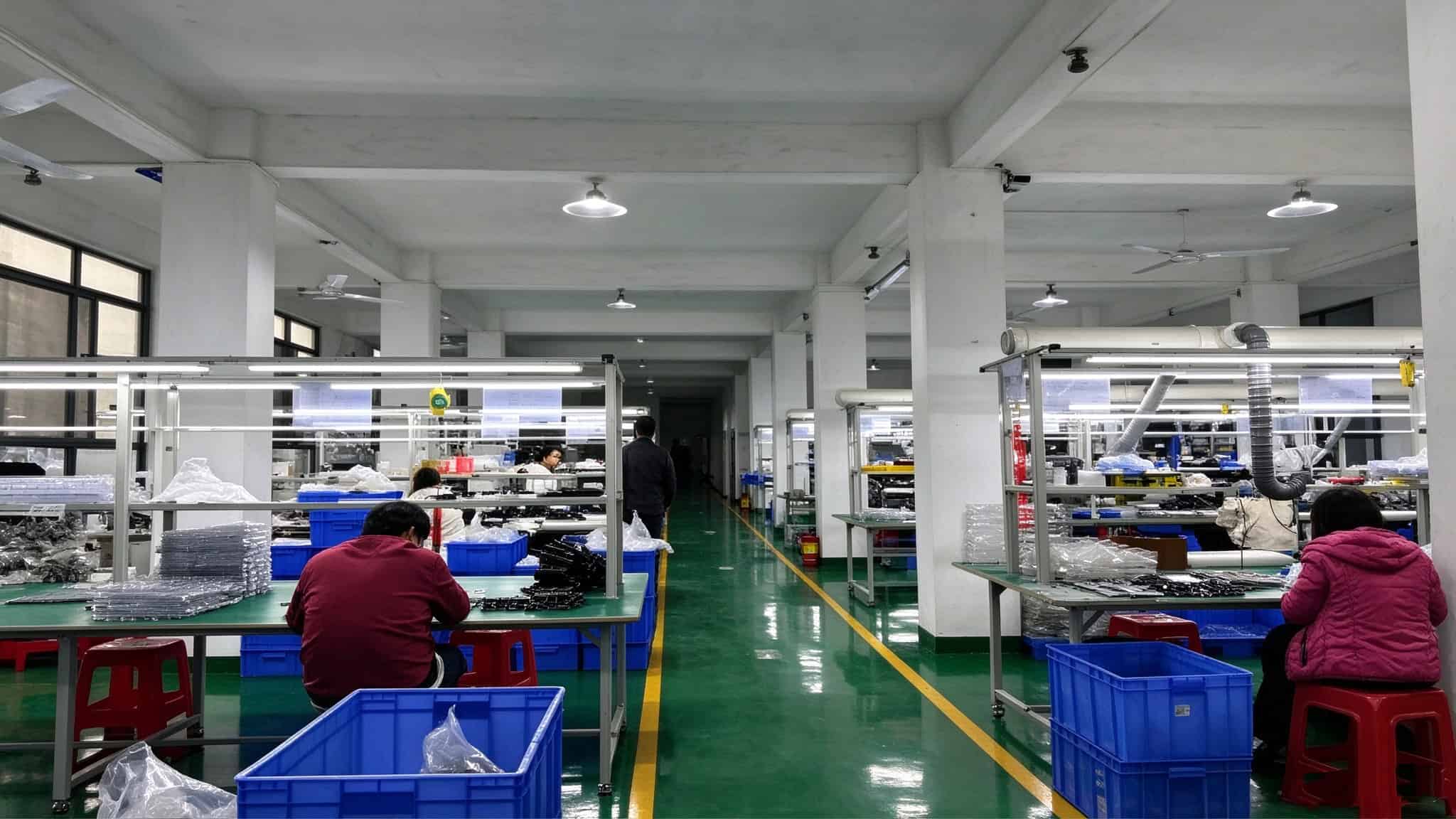
SMT production floor: Verify automated high-speed SMT placement machines, full ESD protection on all workstations, and clear batch separation. For automotive LEDs, dust control is not optional—even tiny particles on LED chips can cause early light decay.
Field lesson: I once audited a factory that advertised a “dust-free assembly room” but only turned the filtration system on during customer visits. You can spot this by checking dust buildup on equipment edges and asking to see the air filter maintenance log.
- Dedicated assembly workshop: Automotive LED assembly requires precision alignment of optical lenses and consistent dispensing of sealing glue. Look for dedicated fixture tools, automated dispensing machines, and operators trained specifically on automotive products.
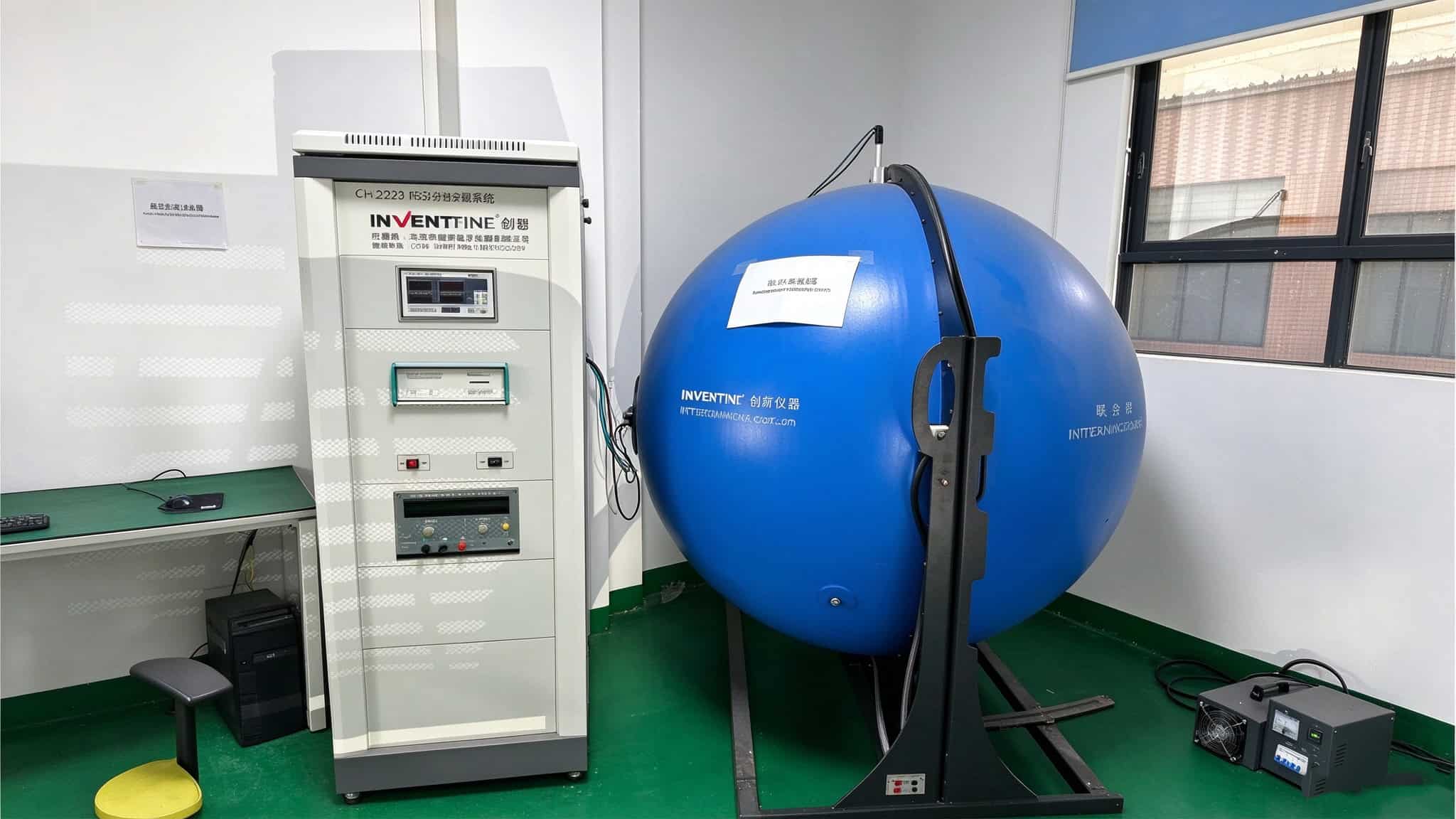
- In-house quality lab: Confirm they have an integrating sphere, thermal cycling chamber, and vibration tester on site. Factories that outsource all testing cannot catch batch issues quickly.
- Material & finished goods storage: LED chips and driver ICs must be stored in anti-static, temperature-controlled cabinets. Check for clear batch labels with date codes and component part numbers.
- Process traceability system: They must be able to trace any finished unit back to the exact LED chip batch, driver IC lot, and production date. This is non-negotiable for root cause analysis when field failures happen.
For remote audits, schedule live video walkthroughs and ask to see specific areas in real time—do not accept pre-recorded videos. Hire a third-party firm like SGS or Intertek if you cannot visit in person. For a step-by-step audit workflow, download our free automotive LED factory audit checklist
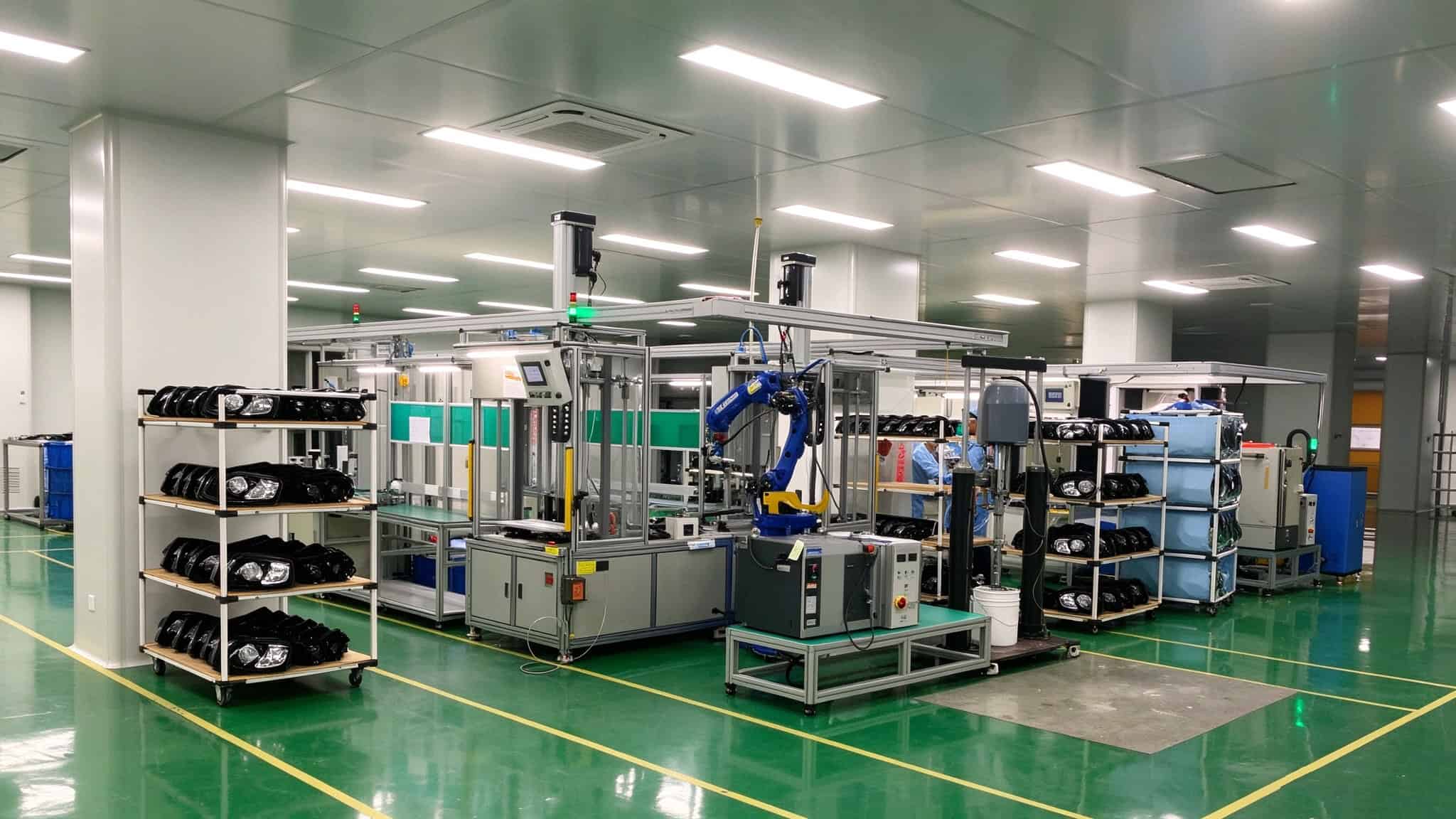
Quality Inspection: Standards for Automotive LED Batches
Even with a trusted supplier, formal inspection is mandatory for every automotive LED order. Structured inspection catches defects before shipment, avoiding costly returns and customer chargebacks.
Three key inspection stages
- Incoming Material Inspection (IMI): Verify LED chip brand and bin grade, driver IC model, and heat sink material match the approved BOM. Component substitution is the #1 cause of batch quality drops.
- In-Process Inspection (IPI): Conduct checks after SMT soldering, after lens assembly, and after initial power-on testing. Catching issues early avoids reworking entire finished batches.
- Final Random Inspection (FRI): Sample finished packaged products per AQL standards.
Important clarification: AQL 0.65 is not a universal rule for all automotive LEDs. It is appropriate for safety-critical front lighting (headlights, fog lamps) where beam pattern defects create road safety risks. For signal lamps and interior lighting, AQL 1.0 for critical defects is standard and more cost-effective. Always define AQL levels by product category in your purchase agreement. For product-specific sampling plans,
Critical defects to screen for
- Optical inconsistency: Lumen output variation over ±10%, color temperature shift over 500K, or beam pattern cutoff that fails regulatory standards
- Electrical issues: Over-temperature rise above 85°C at the heat sink base, EMC interference failure, or unstable current draw
- Build quality: Incomplete glue sealing (water intrusion risk), loose connectors, or housing finish defects
- Labeling errors: Incorrect certification marks, wrong part numbers, or counterfeit branding
Sample Evaluation: Test Thoroughly Before Mass Production
Never place a bulk order based on “golden samples”—hand-picked perfect units assembled separately from regular production. Always insist on samples pulled directly from a standard production run.
Core sample tests for automotive LEDs
Optical performance: Test lumen output, color temperature, and beam pattern with an integrating sphere and goniophotometer. Verify against both the supplier’s datasheet and regulatory standar
Real case: A client once approved a supplier based on a 6000lm datasheet claim. When we tested production samples in our lab, actual output was only 4800lm. The supplier had used
“peak lumen”numbers instead of steady-state output. Always test at 30 minutes of continuous operation, not at turn-on.
- Electrical performance: Test power draw across the full vehicle voltage range (9V–16V for 12V systems) and verify EMC compliance does not interfere with vehicle electronics.
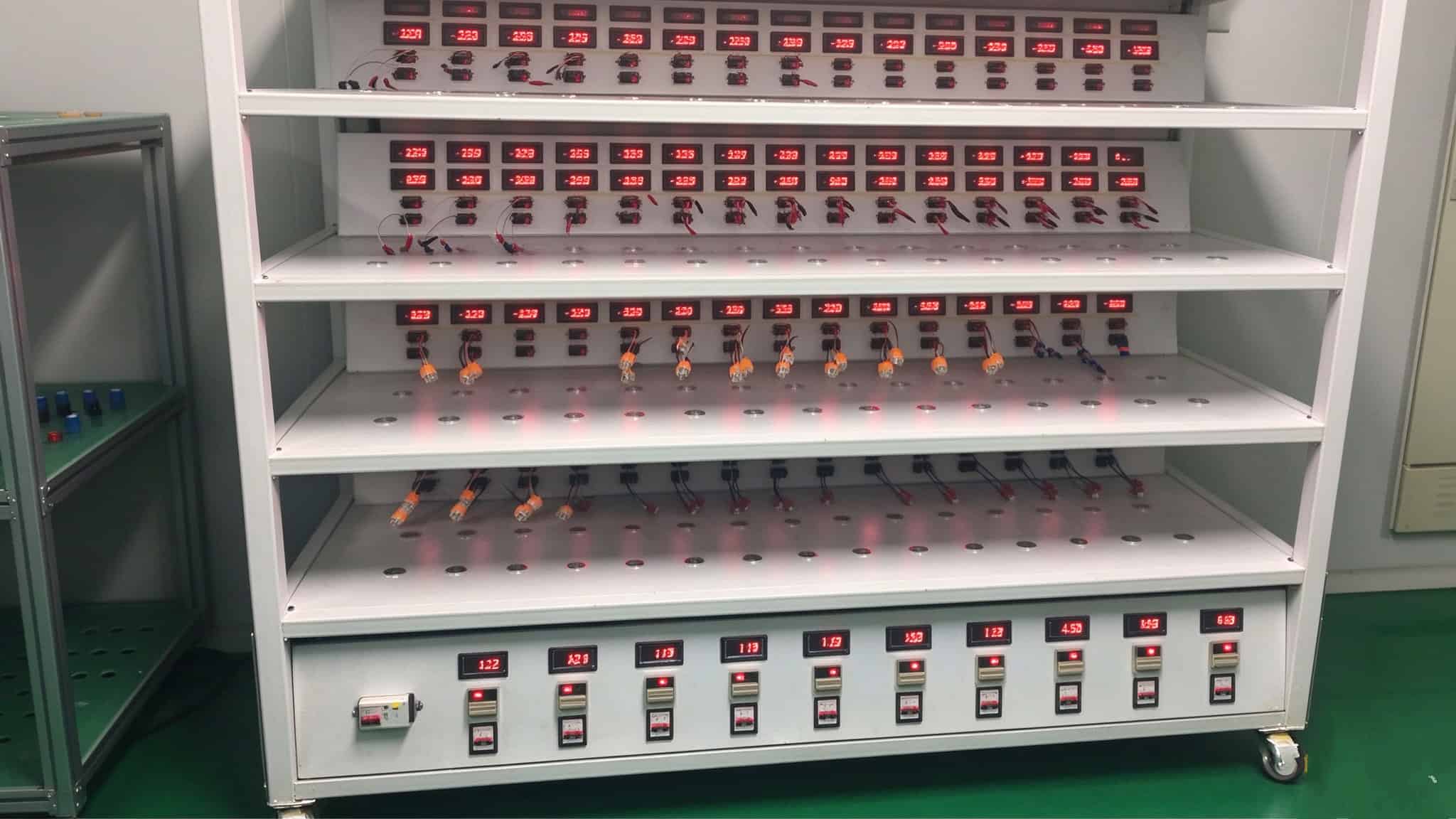
- Thermal aging test: Run 72 hours of continuous operation at rated voltage. Measure heat sink temperature rise and check for lumen depreciation over 5%. Poor heat dissipation is the leading cause of short automotive LED lifespan.
- Environmental durability: Vibration testing (simulating road conditions), IP waterproof rating verification, and thermal shock cycling.
Pro tip: Sign and seal one production sample each for you and the supplier. This becomes your official benchmark for all future batch comparisons.
MOQ, Lead Time & Warranty: Set Clear Terms Upfront
These commercial terms are where many buyer-supplier disputes start. All numbers below are industry standard ranges for automotive LED bulbs—exact values will vary by product complexity and order volume.
MOQ (Minimum Order Quantity)
- Standard ODM bulbs (H7, H4, H11): 100–500 units per SKU
- Custom OEM designs: 1,000+ units per SKU, due to tooling and setup costs
- Private labeling adds 200–300 units to the base MOQ
Negotiation tip: Combine multiple SKUs into one production run to meet total volume requirements without overstocking a single part number.
Lead time
- Standard ODM products: 10–20 days from order confirmation
- Modified OEM designs (existing optical platform, custom mechanical fit): 30–45 days, including tooling adjustment and first article validation
- Fully custom OEM designs with new optical development: 50–60 days, including optical prototyping, tooling, and full regulatory pre-testing
- Add 5–7 days for international shipping and customs clearance
Risk mitigation: Build a 7–10 day buffer into your schedule. Confirm lead time in writing on your purchase order, and specify penalties for delays exceeding 7 days beyond the agreed date.
Warranty & RMA process
- Standard warranty for automotive LEDs is 2–3 years from shipment date.
- Warranties cover material and workmanship defects; they do not cover damage from improper installation, misuse, or modification.
- A formal [RMA process for automotive LED warranty]Automotive LED RMA Process: A Complete Guide for B2B Buyers follows these steps: defect claim submission → RMA number issuance → defective unit return → failure analysis → replacement or credit. Reputable suppliers complete this within 7–14 days of receiving returned goods.
Red flag: Suppliers offering “lifetime warranty” with no written terms, or requiring defect claims within 7 days of delivery.
Practical Tool: Automotive LED Supplier Verification Checklist
This 5-category checklist covers the full sourcing workflow—from compliance verification to commercial terms—so you can evaluate suppliers consistently and document decisions. For a printable, fill-in-the-blank version you can take to factory visits,
| Check Category | Specific Check Item | Evidence to Request from Supplier | Verification Method | Pass Criteria | Action if Failed |
|---|---|---|---|---|---|
| Product Compliance | Target market product certification | Model-specific ECE R112/R10 (EU) or DOT FMVSS 108 (US) test reports + official certification certificates | Cross-check certificate number with the issuing authority; verify certificate holder name matches the factory legal entity | Certificate is valid and within expiry date; covers the exact product model being sourced; holder name matches factory | Require updated valid certification; discontinue if supplier cannot provide model-specific proof |
| Product Compliance | Component environmental compliance | RoHS, REACH (EU) compliance declarations for all components | Review declaration documents; spot-check component part numbers | All components meet target market chemical and environmental regulations | Require full compliance documentation before sample approval |
| Batch Consistency | Locked BOM (Bill of Materials) | Full BOM listing LED chip brand/bin grade, driver IC model, heat sink material, and lens type | Compare BOM components against tested production samples | Sample components exactly match BOM specifications; no unlisted substitutions | Require written BOM lock clause in purchase contract; reject if unannounced substitutions are found |
| Batch Consistency | Component change history | Past 6 months of engineering change notices (ECNs) for the target model | Review change records; verify formal change notification process | All component changes are documented with prior written notice to customers | Require formal change notification terms in contract; escalate if hidden changes are found |
| Batch Consistency | Historical batch test data | Past 3 production batches of lumen output, color temperature, and thermal test reports | Compare performance data across batches; check against approved sample benchmarks | Batch-to-batch lumen variation ≤ ±10%; color temperature shift ≤ 500K | Require process improvement plan; increase inspection sampling ratio for next order |
| Production & Capacity | Monthly capacity & current backlog | Maximum monthly output for the target model; current 3-month order backlog | Calculate backlog as percentage of total capacity | Backlog ≤ 80% = safe range; 80–90% requires confirmed delivery windows | Negotiate fixed delivery dates; avoid placing large orders if backlog exceeds 90% |
| Production & Capacity | Core production equipment | SMT machine list, assembly fixture inventory, and equipment maintenance logs | Verify machine models and age; check maintenance record dates | Automated SMT lines with full ESD protection; dedicated assembly fixtures for automotive products | Require equipment upgrade plan; consider alternative supplier for high-volume orders |
| Production & Capacity | Material storage conditions | Warehouse photos; anti-static and temperature control operation records | Verify storage environment for LED chips and driver ICs | Chips and ICs stored in anti-static, temperature-controlled cabinets; clear batch labeling | Require storage condition improvements before mass production |
| Quality Control | Inspection process & standards | Written IMI, IPI, FRI inspection procedures; AQL level definitions | Review SOP documents; verify AQL levels match product safety category | Defined 3-stage inspection; AQL 0.65 for front lighting, AQL 1.0 for signal/interior lighting | Require formal quality agreement; align AQL standards in purchase contract |
| Quality Control | In-house testing capability | Integrating sphere, thermal chamber, vibration tester calibration certificates | Verify equipment on site during audit; check calibration validity dates | Core testing equipment in-house and calibrated within 12 months | Accept for small trial orders only; require third-party testing for large batches |
| Quality Control | Production traceability system | Batch traceability demo; production record samples | Trace a finished unit back to raw material batch and production date | Full end-to-end traceability from chip lot to finished product | Require traceability system implementation before bulk order |
| After-Sales & Commercial | MOQ & lead time terms | Written MOQ policy and standard lead time schedule | Compare against your order volume and timeline requirements | MOQ matches your minimum order size; lead time aligns with your project schedule | Negotiate combined SKU orders to meet MOQ; build buffer for longer lead times |
| After-Sales & Commercial | Written warranty policy | Formal warranty document with coverage scope, exclusions, and claim process | Review full terms; verify coverage period matches industry standards | 2–3 year warranty for material and workmanship defects; clear exclusion clauses | Require written warranty terms in purchase agreement; avoid suppliers with only verbal promises |
| After-Sales & Commercial | RMA process & turnaround | Formal RMA procedure document with standard processing timelines | Walk through the full claim process; confirm average turnaround time | 7–14 day processing time after receipt of defective units; defined shipping cost responsibility | Negotiate formal RMA terms in contract; seek alternative supplier if process is undefined |
FAQs
Q1: Can I rely on a business license to tell if a company is a factory or trading company?
No. A business license is a starting point, not definitive proof. Many trading companies register manufacturing scope on their license, and some factories have separate trading arms. The most reliable checks are: requesting a live factory tour, verifying certification holder names match the factory entity, and checking if their product range is narrow and specialized (factories) or broad and scattered (traders).
Q2: Should small automotive lighting businesses start with OEM or ODM?
ODM is almost always the better starting point. It requires lower upfront capital, has lower MOQs, and uses pre-certified designs so you can test market demand quickly. Once you have consistent volume for a specific SKU, you can transition to OEM for custom design and better margins.
Q3: Is an on-site audit necessary for repeat orders?
For first-time partnerships with large order values, on-site audits are strongly recommended. For repeat orders with proven suppliers, annual third-party audits or bi-annual remote video audits are sufficient. You should still conduct random in-process inspections for high-volume batches.
Q4: How do I prevent mass production quality from dropping below sample level?
First, approve only production-line samples, not hand-built golden samples. Second, lock the BOM in your contract and require written notice for any component changes. Third, schedule in-process inspections at the SMT stage to catch substitutions early. For high-value orders, hire a third-party QC firm to conduct final inspection before shipment.
Final Thoughts
Choosing the right automotive LED supplier is not about finding the lowest price—it’s about finding a partner that can consistently deliver compliant, batch-consistent products on time, and stands behind their work. The cheapest supplier often costs you far more in returns, recalls, and lost customers down the line.
Start small with trial orders and sample testing. Verify certifications at the product level, not just the factory level. And always build traceability and clear quality terms into every purchase agreement.
Upgrade Your Vehicle’s Lighting Today
At Car Light Vision, we offer reliable fog lights and brighter headlight upgrades designed for better safety, brightness, and easy installation. Whether you’re upgrading a single vehicle or need bulk LED solutions, our experts can help you choose the right fit.
Contact us today for personalised recommendations, pricing, and wholesale lighting solutions.
Written by Mark Yang | 25 Years in Automotive Lighting Quality & Sourcing